
Wind erosion is a powerful natural process that silently reshapes the Earth’s surface on arid plains and open farmlands, carrying away fine soil particles and leaving behind striking landforms. This phenomenon plays a significant role in land degradation, soil displacement, and the formation of features like sand dunes. Although it’s a natural aeolian process, excessive soil erosion by wind caused by human activities and climate change poses serious challenges to agriculture, ecosystems, and environmental balance.
Table of Contents
This article explores what wind erosion is, how it works, its effects, and the best methods for prevention and sustainable land management.

Understanding Wind Erosion
What Is Wind Erosion?
Wind erosion refers to the removal, transportation, and deposition of loose soil and sand particles by the action of wind. It is most common in arid and semi-arid regions where vegetation cover is sparse and soil moisture is low. This soil erosion by wind occurs when surface wind action lifts and carries loose soil particles into the air, a process that reshapes the Earth’s surface over time.
Aeolian Processes and Erosional Mechanisms
The term aeolian processes describes the way wind acts as an erosional agent. There are two primary mechanisms:
- Deflation – the lifting and removal of fine particles from the ground, leaving behind coarse materials.
- Abrasion – the wearing down of surfaces as wind-blown sediments strike rocks and soil, gradually polishing or eroding them.
Together, deflation and abrasion sculpt landscapes and contribute to the formation of sand dunes and erosion-prone areas.
Factors Influencing Wind Erosion
Climatic and Environmental Conditions
Wind velocity, air dryness, and soil texture play major roles in determining erosion intensity. Strong winds in dry environments cause more topsoil loss, especially when there’s no vegetation cover to anchor the soil. Climatic factors in erosion, such as drought and extreme heat, further accelerate desertification.
Soil and Surface Characteristics
Soils with fine textures and low organic content are more vulnerable to dryland erosion. Loose soil particles and poor soil structure promote dust emission and particle movement, reducing soil fertility and increasing land surface changes.
Impacts and Consequences of Wind Erosion
Environmental Effects
Wind erosion effects extend far beyond visible landscape changes. It contributes to dust storms, which reduce air quality and visibility. The transport of dust particles also affects weather systems and human health by spreading allergens and pollutants.
Agricultural and Economic Damage
Loss of topsoil through soil displacement reduces soil fertility, leading to lower crop yields and agricultural land damage. Farmers in arid regions face the dual challenge of vegetation loss and erosion, which makes land less productive over time.
Contribution to Desertification
Prolonged wind erosion in deserts and semi-arid climates intensifies desertification, turning once-fertile lands into barren zones. This process also promotes dune migration, where sand transport covers farmland and roads, disrupting human activities.
Landforms Created by Wind Erosion
Sand Dunes and Desert Features
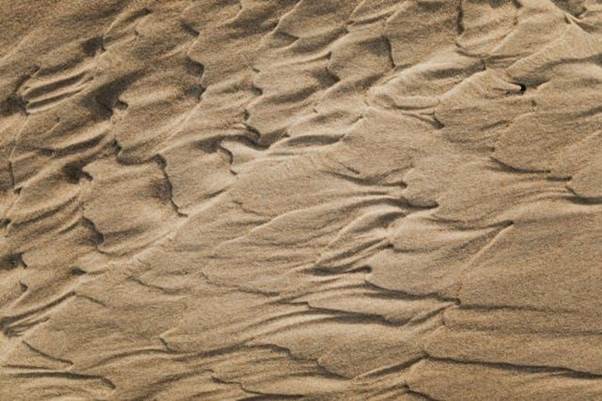
Sand dunes formation is one of the most visible outcomes of wind as an erosional agent. Dunes develop as wind-blown sediments accumulate in mounds or ridges. Over time, dune migration reshapes the desert landscape, forming iconic features like crescent-shaped barchans and elongated seif dunes.
Rock and Surface Features
The wind abrasion process leads to the creation of ventifacts rocks polished or grooved by blowing sand and dust. Deflation hollows and yardangs (streamlined ridges) also form as wind removes finer materials, exposing more resistant rock layers.
Preventing and Controlling Wind Erosion
Vegetation and Land Cover
Planting grasses, shrubs, and trees helps anchor the soil and reduce soil displacement. Wind erosion prevention through vegetation acts as a natural shield against surface wind action. In agricultural regions, maintaining crop residues on fields slows down particle movement.
Soil Management and Conservation
Farmers use various erosion control and soil conservation techniques, such as:
• Contour plowing – cultivating along land contours to reduce soil loss.
• Windbreaks and shelterbelts – rows of trees that decrease wind velocity and erosion.
• Soil crusting reduction – minimizing compaction to enhance moisture retention.
• Cover cropping – planting cover crops to protect bare soil from deflation.
Dust and Sediment Control
Dust control techniques, such as spraying water or using mulch, reduce dust emission in construction or mining areas. In extreme conditions, barriers and fences help trap wind-blown sediments, preventing land degradation and protecting communities from dust storms.
Sustainable Solutions and Global Initiatives
Environmental Policies and Awareness
Global organizations promote sustainable land management to combat land degradation and desertification. Programs like the UN’s Land Degradation Neutrality initiative emphasize soil protection, reforestation, and erosion mitigation methods.
Technological Innovations
Modern solutions include remote sensing for tracking wind erosion effects and soil moisture sensors that help predict erosion-prone areas. Sustainable farming methods also encourage soil fertility restoration, ensuring food security in dryland ecosystems.
Conclusion
Wind erosion is both a natural sculptor and a destructive force. While it shapes magnificent features like sand dunes and rock formations, it also causes topsoil loss, vegetation decline, and agricultural damage. Understanding aeolian processes helps us manage and mitigate these impacts through erosion control and sustainable land management. By combining science, policy, and community action, we can protect fragile ecosystems from further land degradation and ensure the preservation of our planet’s most vulnerable landscapes.