Zoo conservation programs are playing a crucial role in protecting our planet’s most vulnerable wildlife species. As natural habitats continue to shrink due to human activities and climate change, these initiatives have become essential lifelines for countless animals facing extinction.
Modern zoos have evolved far beyond entertainment centers. Today, they serve as vital hubs for endangered species protection, scientific research, and public education. Through captive breeding initiatives and habitat restoration projects, these facilities work tirelessly to ensure that future generations can witness the beauty of wildlife.
This article explores how zoos contribute to biodiversity preservation, the strategies they employ to save threatened animals, and why their efforts matter more than ever. Whether you’re a wildlife enthusiast or simply curious, understanding this important work reveals how we can all support animal welfare and environmental sustainability.
What Are Zoo Conservation Programs?
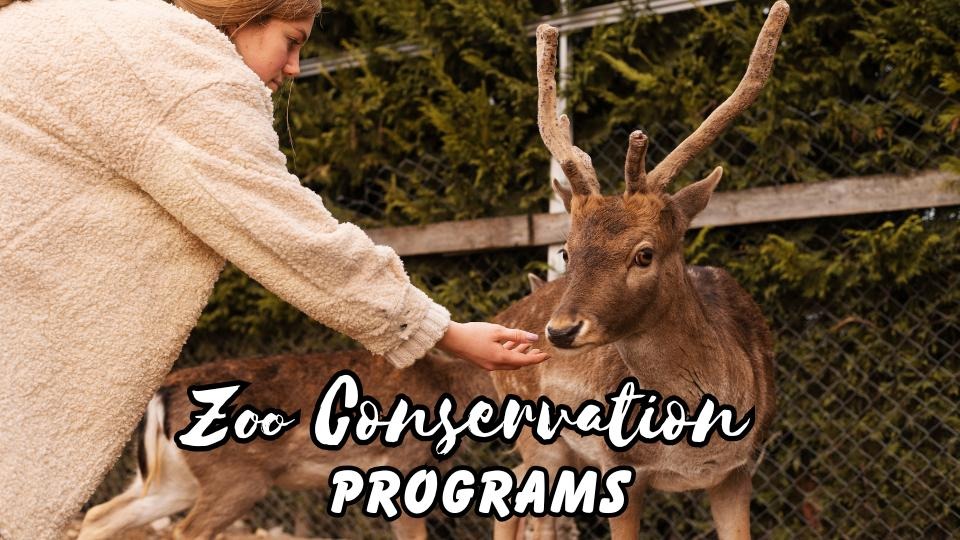
Zoo conservation programs are organized efforts by zoological institutions to protect and preserve wildlife species. These initiatives focus on breeding endangered animals, conducting scientific research, and educating the public about environmental issues.
Unlike traditional zoos of the past, modern facilities prioritize animal welfare and species survival over mere display. They collaborate with governments, wildlife organizations, and local communities to create comprehensive protection strategies.
The Evolution of Modern Zoos
Humans have housed animals in enclosed spaces for thousands of years. However, the shift toward conservation began in the mid-20th century when scientists recognized the alarming rate of species extinction.
Today, accredited zoos operate under strict guidelines that ensure ethical treatment and meaningful contributions to wildlife preservation. Organizations like the Association of Zoos and Aquariums (AZA) set standards that member institutions must follow.
Why Zoo Conservation Programs Matter
Protecting Endangered Species
Zoo conservation programs serve as safety nets for animals on the brink of extinction. When wild populations become too small to sustain themselves, these initiatives step in to prevent complete loss.
Many species exist today only because of dedicated captive breeding efforts. The California condor, Arabian oryx, and black-footed ferret are prime examples of animals saved through such programs.
Supporting Scientific Research
Zoos provide unique opportunities for researchers to study animal behavior, genetics, and health. This knowledge directly benefits wildlife rehabilitation efforts and helps scientists understand how to better protect species in their natural environments.
Research conducted in controlled settings often leads to breakthroughs that improve conservation strategies worldwide.
Key Benefits of Zoo Based Conservation
Zoo conservation programs offer numerous advantages that extend far beyond their facilities.
- Genetic Diversity Preservation: Breeding programs maintain healthy gene pools that prevent inbreeding and ensure long-term species viability. Zoos carefully manage breeding pairs using international databases to maximize genetic health.
- Public Education and Awareness: Millions of visitors learn about biodiversity protection through interactive exhibits and educational programs. This exposure creates advocates for wildlife and encourages sustainable behaviors.
Habitat Restoration Initiatives
Many zoos actively participate in restoring natural habitats where animals can eventually return. These projects involve planting native vegetation, removing invasive species, and working with local communities to create sustainable ecosystems.
Habitat conservation efforts ensure that released animals have safe environments to thrive in. Without suitable habitats, even successful breeding programs cannot achieve their ultimate goals.
Challenges Facing Zoo Conservation Efforts
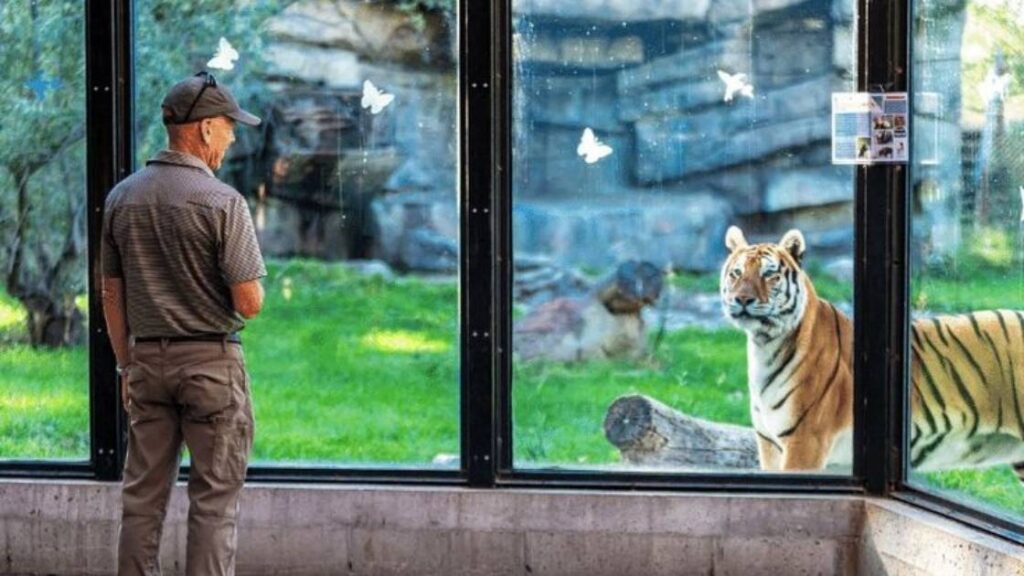
Despite their importance, zoo conservation programs encounter several obstacles that limit their effectiveness.
Limited Space and Resources
Zoos cannot house every endangered species. Financial constraints and physical space limitations force difficult decisions about which animals receive priority. Smaller institutions often struggle to participate in large-scale species survival programs.
Ethical Concerns and Public Perception
Some critics argue that keeping animals in captivity is inherently problematic. Zoos must continuously balance animal sanctuary work with public expectations and evolving ethical standards.
Transparency about practices and outcomes helps build trust with visitors and supporters.
Climate Change Impact
Rising temperatures and changing weather patterns affect both zoo operations and wild habitats. Zoo conservation programs must adapt their strategies to address these environmental shifts while preparing animals for increasingly unpredictable conditions.
Success Stories Worth Celebrating
Several remarkable achievements demonstrate what dedicated conservation work can accomplish.
The giant panda population has grown significantly thanks to coordinated captive breeding initiatives across multiple countries. Similarly, the European bison was brought back from near extinction through careful zoo management.
These victories prove that zoo conservation programs make real differences when properly supported. They inspire continued investment in endangered animal protection and give hope for species currently facing critical threats.
Community Involvement and Global Partnerships
Successful conservation requires collaboration. Zoos partner with international organizations, indigenous communities, and government agencies to maximize their impact. These relationships strengthen wildlife protection strategies and create networks of support spanning continents.
Local communities near endangered habitats often become conservation allies when they understand the benefits of protecting native species.
Conclusion
Zoo conservation programs play an irreplaceable role in protecting our planet’s most vulnerable wildlife. From captive breeding efforts to habitat restoration and public education, these initiatives create meaningful pathways toward species recovery.
While challenges like limited resources and climate change persist, the success stories of giant pandas, California condors, and European bison prove that dedicated work produces real results. Supporting zoo conservation programs means investing in biodiversity preservation for future generations.
Every zoo visit, donation, and awareness effort contributes to this vital mission. Together, we can ensure that endangered animals have a fighting chance at survival in an ever-changing world.