
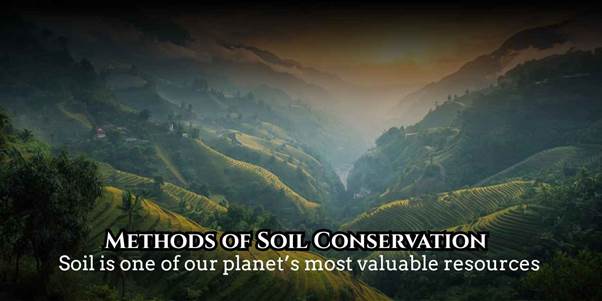
Understanding the methods of soil conservation is essential to safeguard its fertility and productivity. Soil is one of our planet’s most valuable resources, yet it faces increasing threats from erosion, deforestation, and unsustainable farming practices.
In this article, we’ll explore innovative and eco-friendly techniques that help maintain soil health, reduce degradation, and promote sustainable agriculture. From organic farming to cover cropping and terrace cultivation, these modern approaches not only enhance crop yields but also protect the environment. By adopting such practices, we can ensure that the land remains fertile and productive for generations to come.
Understanding the Methods of Soil Conservation
The methods of soil conservation refer to the practices used to prevent soil erosion, enhance fertility, and maintain the natural structure of the land. These techniques are designed to minimize the loss of topsoil, which is crucial for healthy plant growth. Over time, farmers, environmentalists, and scientists have developed both traditional and modern approaches to protect this vital resource. By using sustainable farming and land management strategies, it is possible to balance agricultural productivity with environmental preservation.
Background and Evolution of Soil Conservation Practices
Soil conservation is not a new concept. Ancient civilizations like the Chinese, Greeks, and Romans practiced early forms of terracing and crop rotation to maintain soil productivity. However, during the 20th century, widespread deforestation and overgrazing caused severe erosion in many parts of the world. This led to the introduction of organized soil conservation movements. Modern science has since improved traditional methods by incorporating technology, organic matter management, and water conservation techniques to create more efficient and eco-friendly solutions.
Importance of Soil Conservation in Modern Agriculture
Soil is the foundation of food production. Without proper management, it can lose nutrients, structure, and its ability to retain water. Effective soil conservation methods ensure that the land remains fertile and productive for long-term agricultural success.
Key reasons soil conservation is vital include:
- Preventing soil erosion caused by wind and water
- Preserving natural nutrients and soil structure
- Enhancing sustainable agriculture and crop yield
- Reducing pollution in nearby rivers and lakes
- Promoting biodiversity by maintaining healthy ecosystems
By maintaining healthy soil, we not only secure our food supply but also protect the environment from degradation.
Modern Methods of Soil Conservation
1. Contour Farming
Contour farming involves planting crops along the natural contours or curves of the land instead of in straight lines. This method slows water runoff and allows more time for water to soak into the soil. It helps reduce erosion, especially on hilly terrain, and improves moisture retention for crops.
2. Terrace Cultivation
Terrace cultivation transforms steep slopes into a series of flat platforms, reducing the speed of water flow and preventing soil erosion. Commonly used in mountainous regions, this method has been modernized with better drainage systems and sustainable materials that make maintenance easier.
3. Cover Cropping
Cover crops such as legumes, rye, and clover are planted during off-seasons to protect bare soil from erosion. These crops add organic matter to the soil, improve fertility, and prevent weed growth. They also support beneficial microorganisms that maintain soil health.
4. Crop Rotation
Crop rotation is the practice of growing different types of crops in the same area across several seasons. This method replenishes soil nutrients and prevents pest and disease buildup. For example, rotating nitrogen-fixing crops like beans with cereals like wheat helps balance nutrient levels naturally.
5. Conservation Tillage
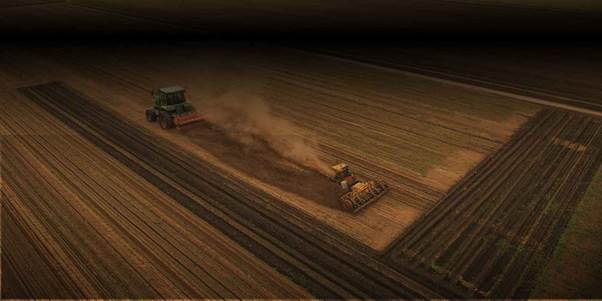
Conservation tillage minimizes soil disturbance by reducing the need for plowing. Instead of turning the soil completely, it leaves crop residues on the surface, protecting it from wind and rain. This technique conserves soil moisture, improves organic content, and reduces greenhouse gas emissions.
6. Windbreaks and Shelterbelts
Planting rows of trees or shrubs around farmland serves as a natural barrier against strong winds. These windbreaks prevent the topsoil from being blown away and provide a habitat for wildlife. They also help regulate temperature and humidity around crops.
7. Agroforestry Systems
Agroforestry combines agriculture and forestry by integrating trees and shrubs into farmlands. This system stabilizes the soil with tree roots, reduces erosion, and enhances biodiversity. Additionally, it offers farmers secondary sources of income through fruits, nuts, and timber.
Benefits of Implementing Soil Conservation Techniques
Adopting effective soil conservation methods brings multiple environmental, economic, and social benefits:
- Increases agricultural productivity and food security
- Improves soil structure and water retention
- Reduces costs associated with fertilizers and irrigation
- Supports climate change mitigation through carbon storage
- Enhances the resilience of farming systems against droughts and floods
Challenges in Applying Soil Conservation Methods
Despite the many advantages, implementing soil conservation techniques can be challenging.
Some common issues include:
- Limited awareness among farmers about modern techniques
- High initial costs of adopting new technologies
- Lack of government support and training programs
- Conflicts between short-term profits and long-term sustainability goals
However, with the growing recognition of sustainable agriculture’s importance, many organizations and governments are now promoting awareness and providing financial assistance to encourage adoption.
Real-World Examples of Successful Soil Conservation
Several countries have shown significant success in soil protection:
- China’s Loess Plateau Project transformed degraded lands into fertile farmlands through terracing and vegetation restoration.
- India’s watershed management programs improved water availability and reduced erosion in dry regions.
- The United States’ Conservation Reserve Program (CRP) rewards farmers for maintaining soil and water quality by planting cover crops and grass buffers.
Conclusion
Protecting soil is essential for maintaining the planet’s ecological balance and ensuring food security. The various methods of soil conservation discussed such as contour farming, cover cropping, and agroforestry offer sustainable ways to prevent erosion and enhance land productivity. By understanding and applying these modern practices, farmers and communities can preserve soil health for generations to come. Continued learning and adaptation of innovative conservation methods will help us build a more resilient and sustainable agricultural future. Explore further to discover how you can contribute to soil preservation efforts.