Cadmium toxicity and tolerance in plants has emerged as one of the most urgent research frontiers in environmental agriculture. The World Health Organization ranks cadmium among the top ten chemicals of major public health concern, and its steady accumulation in farmland soils threatens both crop productivity and food safety worldwide.
Table of Contents
Global cadmium production exceeds 25,000 tonnes annually, with a significant portion ending up in agricultural ecosystems through fertilizers, industrial discharge, and contaminated irrigation water. Once present in the soil, this non-essential heavy metal enters plant roots, disrupts growth from the cellular level upward, and ultimately contaminates the food chain.
This guide examines every dimension of the problem: how cadmium enters farmland, the specific damage it inflicts on crops, the remarkable defense strategies plants have evolved, and the proven techniques scientists and farmers are using to fight back. Real-world data, published research, and practical recommendations are woven throughout to provide both depth and actionable value.
What Makes Cadmium a Dangerous Soil Contaminant
The Chemistry Behind Cadmium Mobility
Cadmium (Cd) sits in group 12 of the periodic table alongside zinc and mercury. Unlike zinc, which serves as an essential cofactor for over 300 enzymes in plants, cadmium performs no known biological function in any living organism. Its danger lies in its chemical mimicry: cadmium ions closely resemble zinc ions, allowing them to slip into cellular transport channels and enzyme active sites where they cause damage.
What amplifies this risk is cadmium’s exceptional mobility in acidic soils. Research published in Environmental Pollution confirms that lowering soil pH by just one unit can double cadmium bioavailability (Smolders & Mertens, 2013). At pH levels below 6.5, cadmium dissolves readily into soil water, making it highly accessible to plant roots.
How Cadmium Travels from Soil to Dinner Plate
Once absorbed by roots, cadmium moves through the xylem into stems, leaves, and reproductive organs. It accumulates in edible parts including grains, tubers, and leafy vegetables. The Codex Alimentarius Commission sets the maximum permissible cadmium level in polished rice at 0.4 mg/kg, acknowledging the severity of dietary exposure risk.
Humans who consume cadmium-contaminated produce face chronic kidney damage, bone demineralization, and elevated cancer risk. This direct pathway from contaminated soil to the human body makes cadmium management a matter of both agricultural science and public health policy.
Primary Sources of Cadmium Contamination in Farmland
Cadmium reaches agricultural soils through several interconnected pathways, most tied to industrial and agricultural practices. The European Union Fertilizer Regulation (2019/1009) capped cadmium in phosphate fertilizers at 60 mg per kilogram of P₂O₅, recognizing fertilizer application as one of the largest ongoing sources of soil cadmium globally.
- Mining and metal smelting: Zinc and lead smelters are the largest point sources of cadmium worldwide. Waste slag, airborne dust, and contaminated runoff carry cadmium into surrounding farmland and waterways.
- Phosphate fertilizers: A 2019 analysis in Science of the Total Environment found that some North African rock phosphates contain over 100 mg Cd/kg, introducing significant cadmium loads with each fertilizer application (Roberts, 2014).
- Wastewater irrigation: In water-scarce regions of South Asia and sub-Saharan Africa, farmers frequently irrigate with untreated industrial wastewater that carries dissolved cadmium directly into root zones.
- Sewage sludge: Municipal biosolids applied as organic amendments can contain 1–20 mg/kg of cadmium depending on the industrial profile of the source area.
- Atmospheric deposition: Coal combustion and waste incineration release cadmium particles into the atmosphere. These settle on soils far from the emission source, creating diffuse contamination across wide regions.
Combined, these inputs have pushed cadmium concentrations in many farming regions well above the WHO-recommended guideline of 0.5 mg/kg for agricultural soils.
The Itai-Itai Disease: A Historical Warning About Cadmium in Food
How Cadmium Poisoned an Entire Community
The most devastating documented case of cadmium contamination unfolded along the Jinzu River in Toyama Prefecture, Japan, during the 1950s and 1960s. The Kamioka Mining Company discharged cadmium-laden waste into the river for decades, and local farmers unknowingly used that water to irrigate their rice paddies.
Residents who consumed the contaminated rice developed a condition called Itai-Itai disease, named after the Japanese phrase meaning “it hurts, it hurts.” Victims suffered severe osteomalacia (bone softening), kidney tubular dysfunction, and crippling skeletal pain. The Japanese Ministry of the Environment officially recognized over 400 victims, though researchers believe the true number was far higher.
Lasting Impact on Global Policy
The Itai-Itai disaster became a turning point in global environmental awareness about the effect of cadmium on plants and the broader food supply. Japan enacted some of the world’s first soil contamination laws, and the case remains a foundational reference in environmental toxicology, heavy metal regulation, and food safety science.
How Cadmium Disrupts Plant Growth at Every Stage
The effect of cadmium on plants spans nearly every physiological system, from initial root contact to reproductive failure. Even at soil concentrations as low as 1–2 mg/kg, sensitive crops begin showing measurable growth reductions.
Root and Shoot Damage
Cadmium inhibits cell division in root meristems, reducing both root length and branching density. A study published in Plant Physiology and Biochemistry demonstrated that 50 µM cadmium exposure reduced root biomass in wheat seedlings by 45% within just 14 days (Rizwan et al., 2016). Aboveground, shoot elongation slows, leaves become smaller, and overall plant vigor declines sharply.
Chlorophyll Destruction and Photosynthetic Failure
Cadmium replaces magnesium at the core of the chlorophyll molecule, stripping the pigment of its light-harvesting ability. This molecular substitution produces chlorosis, the characteristic yellowing of leaves that signals cadmium stress. Research in the Journal of Plant Physiology reported that 100 µM cadmium exposure reduced chlorophyll content in tomato plants by 60% compared to untreated controls (Gill et al., 2012).
Enzyme Inhibition Across Metabolic Pathways
Cadmium displaces essential cofactors like zinc, manganese, and copper from enzyme active sites. This disrupts the Calvin cycle, nitrogen assimilation, and cellular respiration simultaneously. The result is a broad metabolic slowdown that reduces the plant’s ability to convert raw nutrients into biomass and energy.
Oxidative Damage from Reactive Oxygen Species
Cadmium triggers overproduction of reactive oxygen species (ROS), including superoxide radicals, hydrogen peroxide, and hydroxyl radicals. These molecules attack lipid membranes, denature proteins, and fragment DNA at the cellular level. Without a sufficient antioxidant response, this oxidative cascade escalates to programmed cell death and irreversible tissue destruction.
Impaired Water and Nutrient Transport
By damaging root cell membranes and forcing stomatal closure, cadmium restricts both water uptake and transpiration. Simultaneously, it competes with and blocks absorption of macronutrients (nitrogen, phosphorus, potassium) and micronutrients (iron, zinc). This dual deficit leaves plants malnourished and drought-stressed even in otherwise adequate growing conditions.
How Plants Defend Themselves Against Cadmium Stress
Decades of research into cadmium toxicity and tolerance in plants have uncovered five primary defense mechanisms that enable certain species to survive heavily contaminated soils. These strategies operate at the molecular, cellular, and whole-plant level and are now guiding crop improvement programs worldwide.
Phytochelatin and Metallothionein Synthesis
When cadmium enters a plant cell, it activates the enzyme phytochelatin synthase, which produces phytochelatins (PCs) small, cysteine-rich peptides that bind cadmium ions with high affinity. Metallothioneins (MTs), a separate class of metal-binding proteins, serve a similar chelation function. First characterized by Grill and colleagues in 1985 (Grill et al., PNAS), phytochelatins remain one of the best-understood heavy metal detoxification pathways in the plant kingdom.
The cadmium-phytochelatin complexes are then shuttled into vacuoles by ABC-type membrane transporters. This removes the toxic metal from the cytoplasm, where it would otherwise disrupt enzymes, membranes, and organelles.
Antioxidant Enzyme Activation
Plants counteract ROS accumulation by ramping up production of antioxidant enzymes. Superoxide dismutase (SOD) converts superoxide radicals into hydrogen peroxide, catalase (CAT) breaks hydrogen peroxide into water and oxygen, and peroxidase (POD) neutralizes a broader range of organic peroxides.
A 2020 study in Ecotoxicology and Environmental Safety found that cadmium-tolerant rice cultivars exhibited 2.3 times higher SOD activity than sensitive varieties under identical cadmium exposure (Abbas et al., 2020). This enzymatic advantage is now a key trait targeted in breeding programs developing stress-resistant crops.
Cell Wall Immobilization
The plant cell wall acts as the first physical barrier against cadmium entry. Pectin, hemicellulose, and lignin bind cadmium ions through their carboxyl and hydroxyl functional groups, trapping the metal before it crosses the plasma membrane. Data published in Plant and Cell Physiology indicates that root cell walls can sequester 30–50% of total absorbed cadmium in tolerant species (Zheng et al., 2018).
Vacuolar Compartmentalization
Vacuoles function as the cell’s safe-deposit vaults for toxic metals. Tonoplast-localized transport proteins actively pump cadmium and cadmium-chelate complexes from the cytoplasm into the vacuole. The acidic vacuolar environment stabilizes these complexes, preventing cadmium from leaking back into the metabolically active cytoplasm. This mechanism is what allows hyperaccumulator species to store cadmium at concentrations that would be lethal to ordinary plants.
Stress Gene Activation and Protein Expression
Cadmium exposure switches on transcription factors that upregulate hundreds of stress-response genes. These genes encode metal transporters, heat shock proteins, and additional detoxification enzymes. Genomic studies of Arabidopsis halleri and Thlaspi caerulescens have identified specific gene families particularly HMA3 and HMA4 (Heavy Metal ATPase) responsible for controlling cadmium sequestration and root-to-shoot partitioning (Hanikenne et al., 2008, Nature).
The Connection Between Soil Health and Cadmium Damage in Crops
Cadmium does not harm plants in isolation; it degrades the entire soil ecosystem simultaneously. Contaminated soils lose microbial diversity, enzyme activity, and organic matter decomposition capacity. A 2018 study in Soil Biology and Biochemistry reported that soils with cadmium levels above 5 mg/kg showed 40% lower microbial biomass than uncontaminated controls (Wang et al., 2018).
This degradation creates a destructive feedback loop. Weakened microbial communities process fewer nutrients, and the resulting nutrient-poor soil produces weaker plants that absorb proportionally more cadmium. Over successive growing seasons, the cycle accelerates yield loss and increases contamination of harvested food.
The Agency for Toxic Substances and Disease Registry (ATSDR) confirms that chronic dietary cadmium exposure is linked to renal tubular dysfunction, osteoporosis, and increased cancer risk in humans. This makes soil health management simultaneously an agricultural and a public health priority.
Hyperaccumulator Plants That Thrive in Contaminated Soil
Certain plant species possess extraordinary cadmium tolerance, making them invaluable for phytoremediation the use of living plants to extract pollutants from contaminated soil. These species are now central to both basic research and practical land restoration projects around the world.
- Thlaspi caerulescens (Alpine Pennycress): This small plant can accumulate over 100 mg/kg of cadmium in its shoots roughly 100 times the concentration that kills ordinary crops without visible damage.
- Brassica juncea (Indian Mustard): One of the most widely deployed phytoremediation species, Indian mustard absorbs large cadmium quantities through its deep root system and concentrates the metal in harvestable aboveground biomass.
- Sedum alfredii: The only known cadmium and zinc hyperaccumulator in the Crassulaceae family, native to southeastern China. Large-scale cleanup projects in Zhejiang Province have demonstrated its effectiveness under real field conditions.
- Helianthus annuus (Sunflower): Combines rapid growth, high biomass production, and strong metal uptake a practical combination for farmers needing to remediate land within a few growing seasons.
- Oryza sativa (Rice): Cadmium uptake varies dramatically across rice cultivars. The International Rice Research Institute (IRRI) has identified low-cadmium varieties that reduce grain contamination by up to 70% compared to standard cultivars.
Modern Detection Methods for Cadmium Monitoring
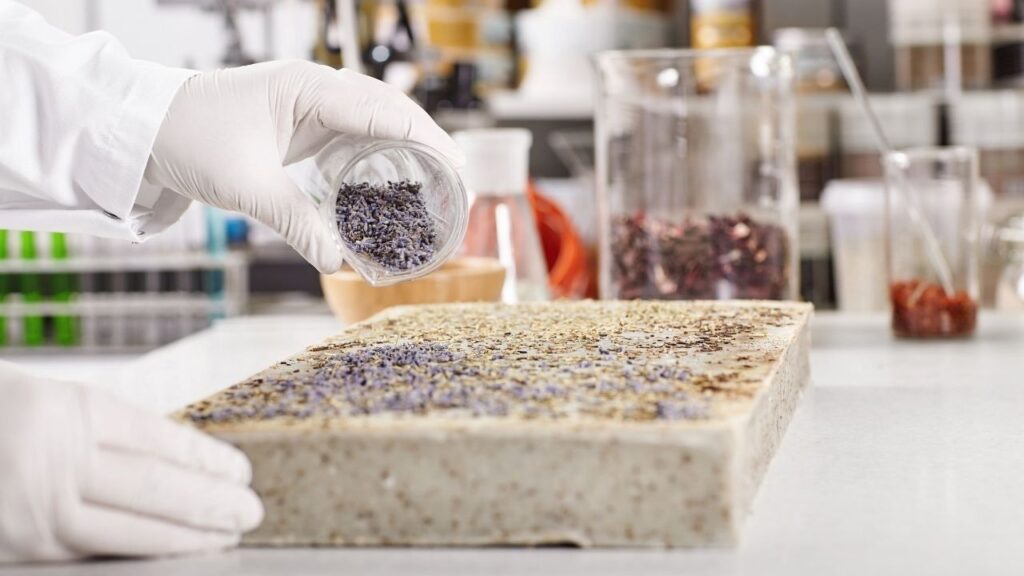
Accurate monitoring is the foundation of effective cadmium management. Three analytical techniques dominate current practice in both research laboratories and field settings.
Atomic Absorption Spectroscopy (AAS)
AAS remains the most commonly used laboratory method for measuring cadmium in soil extracts and plant tissue digests. It offers reliable precision at parts-per-million concentrations and is affordable enough for routine agricultural testing programs.
Inductively Coupled Plasma Mass Spectrometry (ICP-MS)
ICP-MS delivers the highest available sensitivity, detecting cadmium at parts-per-billion levels. It is the standard for regulatory compliance testing, advanced research, and situations where trace contamination levels must be quantified precisely.
X-ray Fluorescence (XRF) Analysis
Portable XRF devices allow rapid, non-destructive field screening of soil samples. While slightly less precise than wet-chemistry methods, handheld XRF instruments enable farmers and environmental agencies to survey large areas quickly without sending samples to distant laboratories.
Regular soil and plant tissue testing enables early intervention catching cadmium buildup before it reaches dangerous thresholds in food crops.
Proven Strategies to Minimize Cadmium Uptake in Food Crops
Soil pH Adjustment and Organic Amendments
Raising soil pH above 7.0 through liming converts cadmium into less soluble chemical forms, reducing root absorption. Biochar has shown particular promise: a meta-analysis published in Environmental Science & Technology found that biochar application reduced plant cadmium uptake by an average of 38% across 74 field studies (Beesley et al., 2015).
Breeding Low-Cadmium Crop Varieties
Marker-assisted selection enables breeders to identify plants carrying genes that limit cadmium transport to edible tissues. Australia’s durum wheat breeding program, led by CSIRO, has successfully released commercial cultivars with 50–70% less grain cadmium than conventional varieties a landmark achievement in food safety genetics.
Phytoremediation Before Food Cropping
Planting hyperaccumulator species for two to three growing seasons before transitioning to food crops can substantially lower soil cadmium concentrations. After each harvest, the cadmium-rich biomass is safely incinerated or processed for metal recovery, progressively restoring the land’s suitability for food production.
Competitive Nutrient Management
Zinc is cadmium’s closest chemical competitor for root uptake channels. Applying zinc-enriched fertilizers floods these channels with beneficial ions, leaving less capacity for cadmium entry. Field trials in Thailand demonstrated that zinc supplementation at 25 kg/ha reduced rice grain cadmium by approximately 40%.
Microbial Bioprotection Strategies
Arbuscular mycorrhizal fungi (AMF) and plant growth-promoting rhizobacteria (PGPR) form symbiotic relationships with plant roots that immobilize cadmium in the rhizosphere or reduce its transfer into root cells. These biofertilizer approaches are among the most cost-effective solutions available to smallholder farmers in contaminated regions.
Real-World Challenges in Fighting Cadmium Pollution
Despite decades of research, cadmium contamination remains a persistent global problem. Full soil remediation can cost over $10,000 per hectare depending on contamination severity, placing effective cleanup out of reach for many farming communities in developing countries.
Awareness among smallholder farmers remains low in many affected regions, and access to soil testing facilities is often limited or nonexistent. Weak enforcement of industrial discharge regulations in rapidly industrializing nations continues to introduce new cadmium into farmland faster than remediation efforts can remove it.
Food security pressures compound the problem further. In cadmium-affected areas, farmers frequently have no alternative but to continue cultivating contaminated land, perpetuating exposure through the food chain. Solving this requires not only technological innovation but also policy reform, farmer education, and international cooperation.
Future Technologies Reshaping Cadmium Management
CRISPR Gene Editing for Cadmium Resistance
CRISPR-Cas9 technology enables scientists to make precise edits to genes controlling cadmium uptake and internal transport. Researchers at the Chinese Academy of Sciences used CRISPR to knock out the OsNramp5 transporter gene in rice, reducing cadmium accumulation in grain by over 90% without affecting yield (Tang et al., 2017, Nature Food). This breakthrough demonstrates the realistic potential of gene editing to create inherently safe food crops for contaminated regions.
Nanotechnology and Smart Soil Amendments
Engineered nanoparticles, including nano-hydroxyapatite and nano-zero-valent iron, can immobilize cadmium in soil at far lower application rates than conventional amendments. Early field trials report 50–80% reductions in cadmium bioavailability, though long-term environmental safety studies remain ongoing.
Integrated Digital Soil Management
Precision agriculture tools GPS-guided soil sampling, drone-based spectral imaging, and AI-driven contamination mapping allow farmers to target remediation exactly where it is needed. This spatial precision reduces treatment costs dramatically compared to blanket application across entire fields and is rapidly becoming accessible even to mid-scale farming operations.
Conclusion
Cadmium toxicity and tolerance in plants remains one of the defining challenges at the intersection of agriculture, environmental science, and public health. From the historical tragedy of Itai-Itai disease in Japan to the precision of CRISPR-edited rice, our understanding of how plants interact with this toxic metal has advanced enormously over the past half century.
The path forward demands a layered approach: soil amendments and phytoremediation to address existing contamination, genetic improvement to produce safer crop varieties, microbial strategies to protect roots at the soil interface, and policy reforms to prevent new cadmium from entering farmland. Every stakeholder from individual farmers to international regulatory bodies has an essential role to play.
By investing in rigorous research, adopting proven sustainable practices, and supporting the communities most affected by soil contamination, we can build a food system where contaminated soils are restored, dietary safety is assured, and healthy ecosystems are preserved for generations to come.
What is cadmium toxicity in plants?
Cadmium toxicity occurs when plants absorb excessive cadmium from contaminated soil. It damages roots, inhibits chlorophyll production, disrupts enzyme function, triggers oxidative stress, and ultimately reduces crop yield. Even low concentrations (1–2 mg/kg in soil) can cause measurable growth suppression in sensitive species.
Which plants are most tolerant to cadmium?
Hyperaccumulator species like Thlaspi caerulescens, Sedum alfredii, Brassica juncea (Indian mustard), and Helianthus annuus (sunflower) show exceptional cadmium tolerance. These species are commonly deployed in phytoremediation projects to extract cadmium from contaminated farmland before food crops are planted.
How does cadmium enter the human food chain?
Cadmium moves from contaminated soil into plant roots and then into edible tissues such as grains, vegetables, and fruits. Humans and animals consuming these products accumulate cadmium in kidneys and bones over time, leading to chronic health conditions including renal failure and osteoporosis.
Can soil amendments effectively reduce cadmium in crops?
Yes. Adding lime, biochar, or organic matter raises soil pH and decreases cadmium’s solubility, making it less available to plant roots. Research shows biochar alone can lower plant cadmium uptake by an average of 38%, making soil amendment one of the most accessible and cost-effective mitigation strategies.
What is the maximum safe cadmium level in food?
The Codex Alimentarius Commission sets the international standard at 0.4 mg/kg for polished rice. For other crops, limits range from 0.05 mg/kg (leafy vegetables) to 0.2 mg/kg (root vegetables and wheat grain), depending on the food category.
Is CRISPR gene editing being used to develop cadmium-resistant crops?
Yes. Scientists have used CRISPR-Cas9 to knock out the OsNramp5 cadmium transporter gene in rice, achieving over 90% reduction in grain cadmium without yield penalty. This technology is advancing toward commercial application and represents one of the most promising long-term solutions to cadmium in food crops.