A grass meadow ecosystem is far more than an open stretch of green. It is one of the most productive, biodiverse, and ecologically significant biomes on Earth yet also one of the most endangered. Grasslands cover an estimated 20 to 40 percent of the planet’s land surface, depending on how they are defined, and they hold roughly one-third of the world’s terrestrial carbon stocks. Despite this, temperate grasslands receive just 5 percent protection within the global system of protected areas, making them the least protected biome on the planet.
Table of Contents
From ancient pastoral economies to modern climate science, grass meadows have played a central role in human civilization and environmental stability. This guide draws on peer-reviewed research and data from organizations like IUCN, UNEP, and the USDA to explain what a grass meadow ecosystem is, why it matters, and what must be done to protect it.
What Is a Grass Meadow Ecosystem?
A grass meadow ecosystem is an open, sun-drenched habitat dominated by grasses, herbs, and seasonal wildflowers. Unlike closed-canopy forests, meadow ecosystems allow sunlight to reach the ground surface, supporting a wide variety of plant growth at multiple levels. They typically develop in temperate and tropical climates along river valleys, across open plains, on mountain slopes, and in areas where rainfall falls between the thresholds required by forests and deserts.
According to a ScienceDirect overview of grassland ecology, three fundamental forces have shaped and maintained grassland ecosystems throughout evolutionary history: drought, fire, and grazing. These disturbance factors prevent woody plant encroachment and allow grasses to dominate the landscape.
Key Characteristics of a Healthy Grass Meadow
A well-functioning grass meadow ecosystem displays several defining features. It contains a mix of perennial and annual grass species that provide year-round ground cover. Seasonal wildflowers bloom across the landscape, attracting pollinators and adding structural diversity. The soils are typically nutrient-rich, with deep organic layers formed by generations of root turnover. Open terrain provides habitat corridors for mammals, nesting sites for ground-breeding birds, and foraging grounds for insects and soil organisms.
Meadow vs. Prairie vs. Savanna: Understanding the Differences
Grassland ecosystems go by different names depending on geography and vegetation structure. Prairies, found across North America, are temperate grasslands dominated by tall and short grasses with few or no trees. Savannas, common in Africa and South America, combine open grassland with scattered trees and shrubs. Steppes, characteristic of Central Asia and Eastern Europe, are drier grasslands with shorter vegetation. Alpine meadows occur at high elevations in mountain ranges like the Himalayas, the Alps, and the Rockies. Grass meadows, in the broadest sense, encompass all of these any open ecosystem where grasses and herbaceous plants dominate.
The Deep History of Grass Meadows and Human Civilization
Grass meadows and human history are inseparable. The evolutionary expansion of grasses began during the Miocene epoch, roughly 20 million years ago, when global cooling and drying trends allowed grasslands to spread across every continent except Antarctica. This created the ecological stage on which many large mammal species and eventually human societies would evolve.
From Hunters to Herders
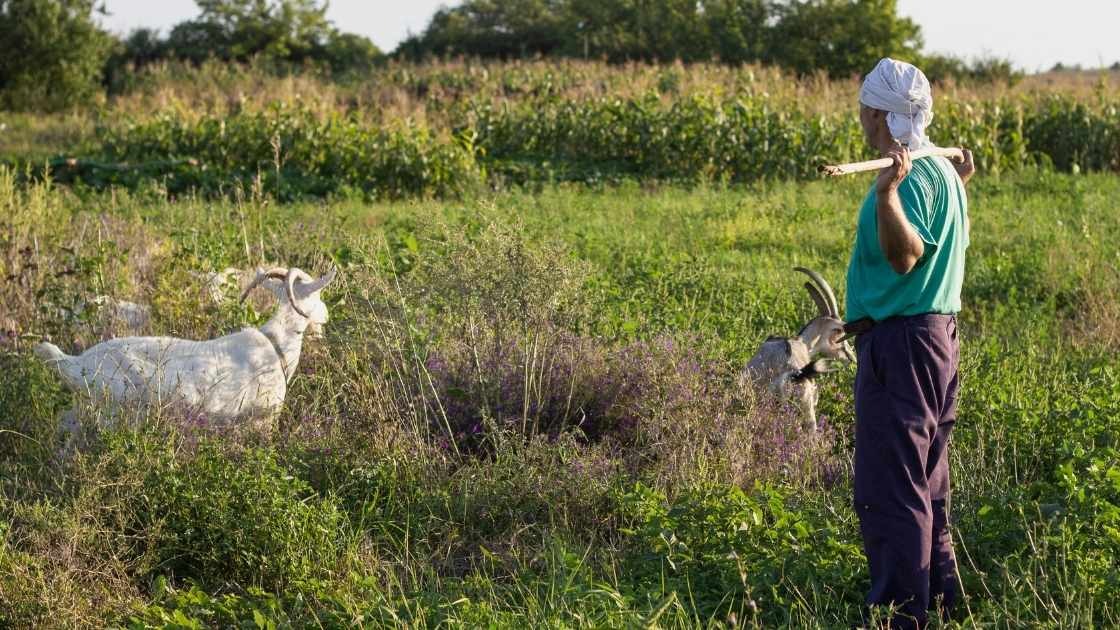
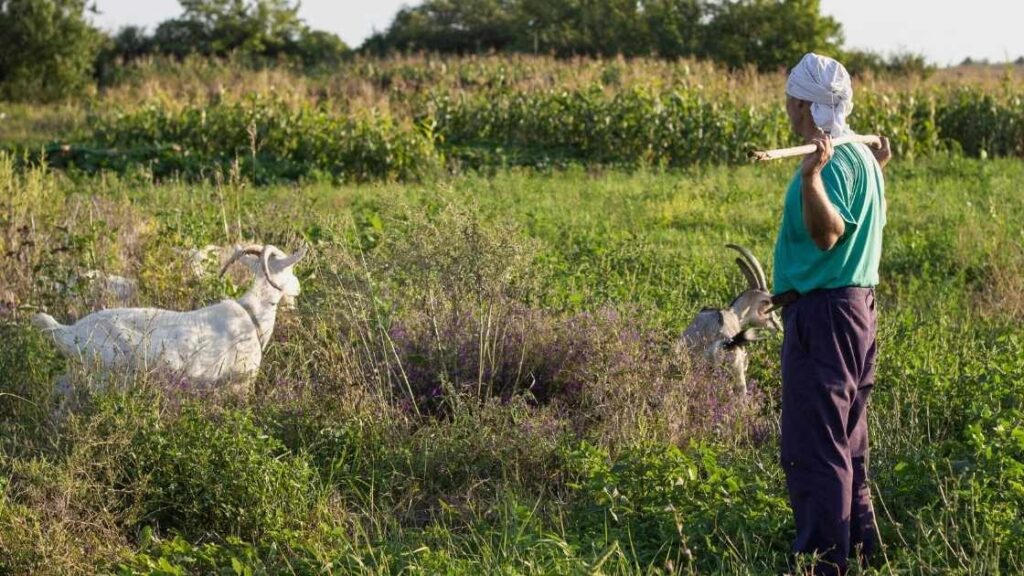
Before the rise of agriculture, early human communities depended on grass meadows for hunting game and gathering edible plants. As societies transitioned to pastoralism, meadows became vital grazing grounds for domesticated cattle, sheep, goats, and horses. Civilizations across Mesopotamia, the Eurasian steppe, and East Africa built their economies around seasonal access to productive grasslands.
Nomadic cultures such as the Mongolian herders of the Central Asian steppe developed migratory patterns that followed meadow growth cycles. These movements shaped not only trade routes and settlement patterns but also cultural traditions. Many pastoral societies marked the seasons with festivals tied to the greening and harvest of meadow grasses.
Grasslands and the Rise of Agriculture
The deep, fertile soils beneath grass meadows built over millennia by decaying root systems eventually attracted agricultural settlement. The conversion of North American tallgrass prairie into cropland fueled one of the largest agricultural expansions in history. Similarly, the black-earth (chernozem) soils of the Eurasian steppe became some of the most productive farmlands on the planet. However, this conversion came at a steep ecological cost: the U.S. Fish & Wildlife Service reports that agricultural cultivation, development, and invasive species have caused the loss of at least 80 percent of North American grasslands, including 99 percent of tallgrass prairie.
Ecological Importance of a Grass Meadow Ecosystem
The ecological functions of a grass meadow ecosystem are vast and interconnected. These landscapes regulate climate, cycle nutrients, filter water, and sustain biological diversity at every trophic level.
Biodiversity in Grassland Ecosystems
Grass meadows are among the most species-rich habitats on Earth when measured at the plant community level. According to research published by NatureServe for the IUCN, well-preserved temperate grasslands can support over 100 native plant species in remnants smaller than two hectares, and between 250 and 300 species in patches of around 250 hectares.
These plant communities in turn support complex food webs. Pollinators including bees, butterflies, moths, and beetles depend on meadow wildflowers for nectar and pollen. Ground-nesting birds such as meadowlarks, skylarks, and various sparrow species rely on undisturbed grassland for breeding. Grazing mammals, from bison and pronghorn in North America to saiga antelope in Central Asia, have co-evolved with grassland vegetation over millions of years.
However, grassland biodiversity is under severe pressure. A 2022 study published in Conservation Science and Practice found that endemic grassland bird populations in North America have declined by more than 60 percent since the 1970s, making grassland birds the most threatened avian group on the continent.
Carbon Storage and Climate Regulation
One of the most critical ecosystem services provided by a grass meadow ecosystem is carbon sequestration. A landmark 2022 paper in the journal Science confirmed that grasslands store approximately one-third of global terrestrial carbon stocks, primarily in their soil. Unlike forests, which hold most carbon in aboveground biomass vulnerable to fire and logging, grasslands lock carbon underground in deep root systems and soil organic matter making these stores more resilient to disturbance.
The same study estimated the achievable soil carbon sequestration potential of global grasslands at 2.3 to 7.3 billion tonnes of CO₂ equivalents per year through biodiversity restoration alone, with additional gains of 148 to 699 megatons per year through improved grazing management.
Research from the CABI Blog further highlights that temperate grasslands store 150 percent more carbon belowground than temperate forests, and that 97 percent of their carbon is safely locked in the soil, protected from surface fire.
Soil Health and Water Regulation
The dense, fibrous root networks of meadow grasses perform essential soil ecosystem services. They bind soil particles together, preventing wind and water erosion. They improve soil structure and water infiltration, reducing surface runoff and lowering flood risk. They also continuously add organic matter to the soil through root turnover, maintaining long-term fertility.
Healthy grass meadows act as natural sponges during heavy rainfall events, absorbing water and slowly releasing it into groundwater reserves and streams. This watershed protection function makes grassland conservation a cost-effective strategy for flood management and freshwater supply.
Benefits of Grass Meadows for People
The human benefits of grass meadows extend well beyond ecology. These landscapes have sustained livelihoods, cultures, and economies for millennia, and they continue to do so today.
Agricultural and Economic Value
Grasslands provide the foundation for the global livestock industry. Pasture and fodder crops occupy an estimated 26 percent of the world’s land area and 70 percent of agriculturally productive land, according to FAO data. Hay production from meadows feeds cattle, sheep, and horses worldwide. Well-managed meadows also support diverse pollinator populations that benefit nearby crop production the U.S. Fish & Wildlife Service estimates that wild pollinators provide services worth four to six billion dollars annually in the United States alone.
Cultural and Recreational Value
Grass meadows hold deep cultural significance for communities around the world. From the herding traditions of Mongolian and Maasai pastoralists to the haymaking festivals of rural Europe, grassland landscapes are woven into the identity of countless societies. Today, meadows also attract eco-tourism, hiking, birdwatching, and nature photography, contributing to local economies while fostering public appreciation for natural landscapes.
Traditional Management Practices
Many indigenous and rural communities have practiced sustainable meadow management for centuries. Rotational grazing, seasonal mowing, controlled burning, and rest periods allow vegetation to recover and soil to regenerate. These time-tested approaches are now being studied and adopted by modern land managers seeking to balance productivity with ecological health.
Grass Meadow Ecosystem Types Around the World
Grass meadows take remarkably different forms across the globe, shaped by local climate, soil, and evolutionary history.
European Wildflower Meadows Found in Switzerland, Germany, the UK, and Scandinavia, these meadows are renowned for their spectacular diversity of wildflowers and centuries-old farming traditions. Many are semi-natural habitats maintained by traditional mowing and grazing regimes.
North American Prairies Once the largest contiguous grassland in the world, stretching from Texas to Manitoba, the Great Plains prairies have been reduced to fragments by agricultural conversion. The U.S. Fish & Wildlife Service notes that more than 50 million acres of grassland have been lost in the last decade alone.
Central Asian Steppes The vast grasslands of Mongolia, Kazakhstan, and southern Siberia support nomadic herding cultures and iconic wildlife including the saiga antelope, Przewalski’s horse, and steppe eagle.
Himalayan Alpine Meadows High-altitude grasslands in the Himalayas host rare and endemic species such as the snow leopard and Himalayan blue poppy, while providing seasonal grazing for yaks and other livestock.
African Savannas The grassland-woodland mosaics of East and Southern Africa support the planet’s most spectacular large-mammal assemblages, from elephants and wildebeest to lions and cheetahs.
Threats Facing the Grass Meadow Ecosystem
Despite their enormous ecological and economic value, grass meadows are disappearing faster than nearly any other biome. The IUCN Temperate Grasslands Conservation Initiative describes indigenous temperate grasslands as “the most altered and endangered ecosystem on the planet,” with more than half already converted for crop production, forest plantations, urbanization, and energy development.
Habitat Loss and Fragmentation
Agricultural expansion remains the single greatest driver of grassland loss. The UNEP Rangelands Atlas (2021) revealed that over the past three centuries, more than 60 percent of wildlands and woodlands have been converted an area larger than North America with rangelands being lost faster than the Amazon rainforest. Fragmentation of remaining meadows isolates wildlife populations, disrupts migration corridors, and weakens genetic diversity.
Overgrazing and Land Degradation
While moderate grazing is a natural and beneficial process in grassland ecosystems, excessive stocking rates deplete vegetation, compact soil, and trigger desertification. A meta-analysis published in the Journal of Environmental Management found an overall 15 percent reduction in soil organic carbon stocks in grazed grasslands globally, indicating that current management often exceeds sustainable thresholds.
Climate Change
Rising temperatures, shifting precipitation patterns, and increased frequency of extreme weather events are disrupting grass meadow ecosystems worldwide. Prolonged droughts stress vegetation and reduce carbon uptake, while increased rainfall intensity accelerates erosion on degraded grasslands. A study published in Nature Communications found that human management activities have caused global grasslands to shift from a net carbon sink to a net greenhouse gas source, primarily due to increased livestock numbers and pasture expansion.
Invasive Species and Pesticide Use
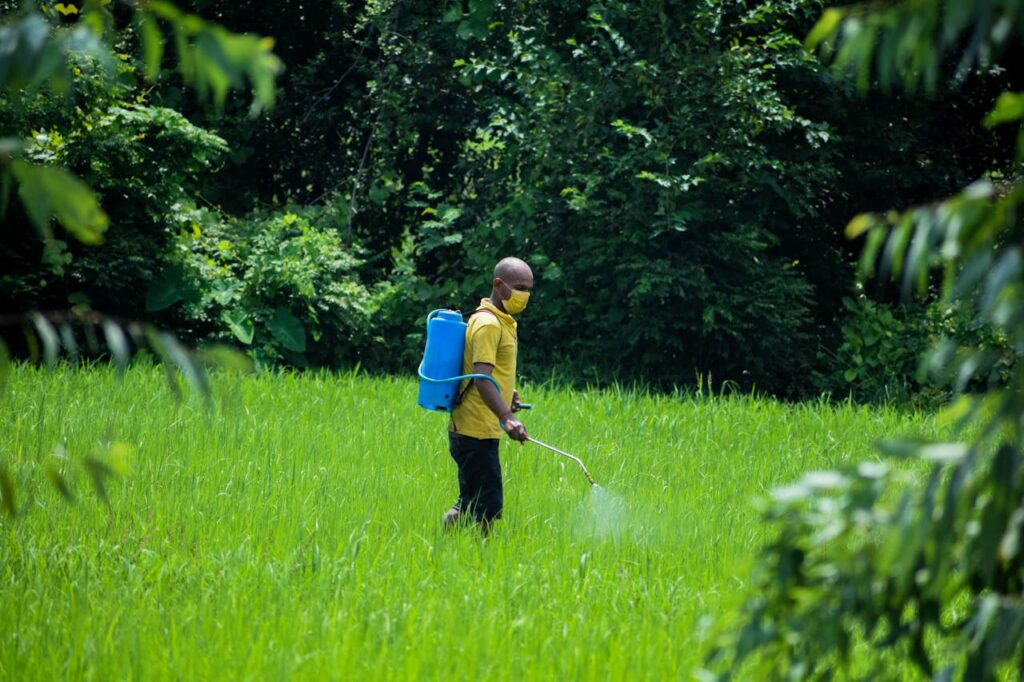
Non-native grass species now account for 13 to 30 percent of prairie grass species in the North American Great Plains, displacing native plants and reducing habitat quality. Meanwhile, agricultural pesticide use is contributing to declines in grassland birds and pollinators, undermining the ecosystem services these species provide.
Grass Meadow Conservation and Restoration Strategies
Protecting and restoring the grass meadow ecosystem requires coordinated action at local, national, and global scales. Fortunately, grassland conservation offers some of the most cost-effective opportunities for climate mitigation and biodiversity recovery.
Protected Areas and Policy Integration
Only 5 percent of the world’s temperate grasslands currently fall within protected areas far less than forests or wetlands. Expanding formal protection, integrating grasslands into national climate plans, and recognizing them in international biodiversity frameworks like the Kunming-Montreal Global Biodiversity Framework are critical first steps.
Regenerative Grazing and Sustainable Management
Holistic and rotational grazing practices that mimic natural herbivore movement can restore degraded grasslands, rebuild soil carbon, and increase biodiversity. Research compiled by Biodiversity for a Livable Climate suggests that regenerative management of global grasslands could sequester significant quantities of atmospheric carbon while supporting food production and pastoral livelihoods.
Native Species Restoration
Replanting native grasses and wildflowers on degraded land a practice known as grassland rewilding can rapidly improve ecological function. Countries including the United Kingdom, Germany, and the United States have launched wildflower meadow programs to restore pollinator habitat in both rural and urban settings.
Community Engagement and Education
Grassland conservation succeeds when local communities are engaged as partners rather than treated as obstacles. Supporting indigenous and pastoral land management traditions, providing economic incentives for stewardship, and raising public awareness about the value of meadow ecosystems are all essential components of a durable conservation strategy.
Meadow Ecosystem Food Chain: How Energy Flows Through Grasslands
Understanding how energy and nutrients move through a grass meadow ecosystem helps illustrate why biodiversity loss has cascading consequences.
At the base of the food chain, grasses and wildflowers capture solar energy through photosynthesis and convert it into biomass. Primary consumers including grasshoppers, caterpillars, rabbits, and grazing mammals feed on this plant material. Secondary consumers such as foxes, hawks, and snakes prey on herbivores. Decomposers, including fungi, bacteria, and earthworms, break down dead organic matter and return nutrients to the soil, completing the cycle.
Each level of this food web depends on the health and diversity of the one below it. When grassland plant diversity declines due to overgrazing, pesticide use, or invasive species the entire system becomes less productive, less stable, and more vulnerable to collapse.
How to Create a Wildflower Meadow: A Practical Overview
For landowners, gardeners, and community groups looking to take direct action, establishing a wildflower meadow is one of the most accessible forms of grassland restoration. The basic steps include selecting a sunny, well-drained site with low soil fertility (nutrient-poor soils favor wildflowers over aggressive grasses), removing existing turf or vegetation to expose bare soil, sowing a regionally appropriate native seed mix in autumn or early spring, allowing the meadow to establish without mowing for the first growing season, and then managing with an annual late-summer cut to mimic traditional haymaking.
Even small urban meadow patches can provide meaningful habitat for pollinators, improve local air quality, and reconnect people with nature.
Conclusion
Every grass meadow ecosystem is a living archive of ecological relationships shaped over millions of years. These landscapes store carbon, filter water, shelter wildlife, and sustain human communities yet they remain the least protected biome on the planet. With more than half of the world’s temperate grasslands already converted and grassland species declining at alarming rates, the window for meaningful conservation action is narrowing.
The science is clear: protecting and restoring grass meadows is one of the most cost-effective strategies available for addressing both the biodiversity crisis and climate change. From supporting regenerative grazing practices to expanding protected areas and engaging local communities, every step toward meadow conservation is a step toward a more resilient planet.
What is a grass meadow ecosystem?
A grass meadow ecosystem is an open habitat dominated by grasses and wildflowers, characterized by deep root systems, nutrient-rich soils, and high biodiversity. These ecosystems regulate climate through carbon storage, prevent soil erosion, support pollinators and wildlife, and provide grazing land for livestock.
What is the difference between a meadow and a prairie?
A meadow is a broad term for any grassland dominated by grasses and herbaceous plants. A prairie refers specifically to the temperate grasslands of North America, which are characterized by tall or short grass species and very few trees. All prairies are meadows, but not all meadows are prairies.
What animals live in grass meadows?
Grass meadows support a rich diversity of wildlife, including pollinators such as bees, butterflies, and moths, ground-nesting birds like meadowlarks and skylarks, grazing mammals such as bison, deer, and antelope, predators including foxes, hawks, and coyotes, and vast communities of soil organisms including earthworms, fungi, and bacteria.
Why are grasslands the most endangered biome?
Temperate grasslands have the lowest level of formal protection of any major biome just 5 percent globally. Their fertile soils make them prime targets for agricultural conversion, and they receive far less conservation attention and funding than forests or coral reefs.
How do grass meadows help fight climate change?
Grasslands store approximately one-third of global terrestrial carbon, primarily in their soils. Unlike forest carbon, which is vulnerable to fire and logging, grassland carbon is locked underground in deep root systems and soil organic matter, making it one of the most secure natural carbon stores on the planet.
How can I help protect grass meadows?
Individuals can support grassland conservation by planting native wildflower meadows, purchasing products from regeneratively managed farms, supporting organizations working on grassland protection, advocating for grassland inclusion in climate and biodiversity policy, and learning about and sharing the importance of these overlooked ecosystems.