Lesser known natural wonders of the world captivate travelers who seek raw, untouched beauty far from overcrowded tourist trails. While famous landmarks like the Grand Canyon and Great Barrier Reef dominate travel guides, the planet holds hundreds of extraordinary sites that most people have never heard of. From bioluminescent caves buried beneath New Zealand hillsides to mirrored salt flats stretching endlessly across Bolivia, these hidden landscapes deserve far more attention than they receive. In this comprehensive guide, we will explore both celebrated and overlooked natural marvels, examine why natural wonders are important for our ecosystems and economies, and outline responsible ways to experience them before they change forever.
Table of Contents
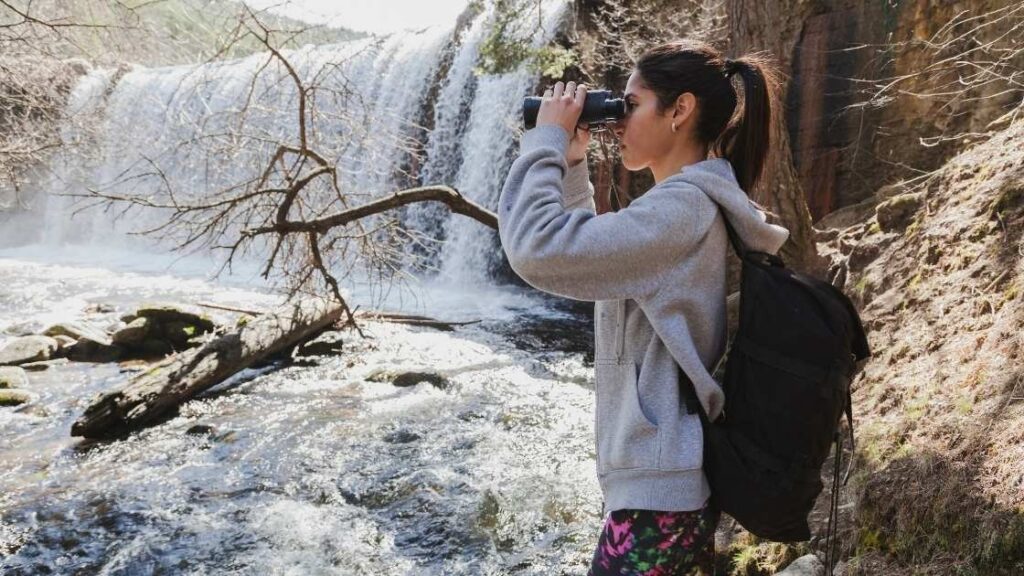
What Exactly Are Natural Wonders?
Natural wonders are extraordinary landscapes, formations, or phenomena shaped entirely by geological, biological, or climatic forces without any human intervention. They are the result of tectonic shifts, volcanic eruptions, glacial movements, erosion patterns, and biological evolution working across thousands or even millions of years. The diversity among these sites is staggering. Some are massive, like continental rainforests spanning multiple countries. Others are intimate, like underground chambers lit only by living organisms.
The idea of cataloguing the most impressive of these sites gained popular traction through initiatives such as the Seven Natural Wonders of the World and the UNESCO World Heritage List, which currently recognizes over 200 natural sites across the globe. However, the true number of remarkable natural landscapes on Earth is far greater, and many of the most breathtaking ones remain largely unknown to mainstream tourism.
Why Natural Wonders Are Important
Understanding why natural wonders are important requires looking well beyond their visual appeal. These sites perform critical ecological functions that sustain life across the planet.
Coral reefs, for example, cover less than one percent of the ocean floor yet support roughly one-third of all known marine species, according to NOAA. The Amazon Rainforest, spanning nine countries and covering over two million square miles, is the most biodiverse terrestrial ecosystem on Earth. It contains an estimated 390 billion individual trees across roughly 16,000 species, according to Wikipedia’s compiled research data. While the popular claim that the Amazon produces 20 percent of the world’s oxygen has been widely debunked by scientists, including Oxford ecologist Yadvinder Malhi, the rainforest remains irreplaceable for its role in carbon storage, regional climate regulation, and biodiversity conservation, as explained by National Geographic.
Mountains serve as freshwater reservoirs, feeding rivers and streams that billions of people depend on. Wetlands and mangroves act as natural flood barriers. These ecological services have direct economic value as well. In 2024 alone, the Grand Canyon National Park attracted approximately 4.9 million visitors who spent around $905 million in nearby communities, supporting 8,780 local jobs, according to a report by Grand Canyon Trust. When natural wonders thrive, entire regional economies benefit.
Beyond ecology and economics, these places hold deep cultural and spiritual significance. Many natural landmarks are sacred to indigenous communities whose traditions and identities are inseparable from the land. Protecting these sites is therefore not only an environmental priority but also a matter of cultural preservation.
Famous Natural Wonders That Define Our Planet
Certain natural wonders have achieved global recognition for their sheer scale, geological significance, and ecological value. Understanding these icons provides important context for appreciating the lesser known natural wonders of the world that follow.
The Grand Canyon in Arizona, carved over millions of years by the Colorado River, stretches 277 miles in length with depths exceeding one mile. Its exposed rock layers reveal nearly two billion years of Earth’s geological history, making it one of the most studied landscapes in the world. According to the National Park Service data reported by KNAU, the canyon ranked as the third most-visited national park in 2024.
The Great Barrier Reef off the coast of Australia stretches over 2,300 kilometers and is the largest living structure on Earth. It is home to over 1,500 species of fish, 400 types of coral, and 4,000 types of mollusc, according to UNESCO’s classification. However, this reef system is under severe threat. The Australian Institute of Marine Science (AIMS) confirmed that the reef experienced its sixth mass bleaching event since 2016 in 2025, and the Great Barrier Reef Foundation reports that these events are becoming more intense and more frequent with each passing decade.
Mount Everest, standing at 8,849 meters on the Nepal-Tibet border, remains the highest peak on Earth and a symbol of human endurance. Beyond its fame among climbers, the mountain is a fragile high-altitude ecosystem and holds deep cultural significance for local Sherpa and Tibetan communities.
Victoria Falls, straddling the border between Zambia and Zimbabwe, is one of the widest and most powerful waterfalls in the world. Its spray can be seen from over 40 kilometers away during peak flow, and the surrounding mist sustains a unique pocket of rainforest in an otherwise dry savanna landscape.
The Amazon Rainforest covers over half the world’s remaining tropical rainforest area and harbors an astonishing one in ten of all known species on Earth. It is home to over 30 million people from 350 different ethnic groups, making it as culturally rich as it is biologically diverse.
Lesser Known Natural Wonders of the World Worth Discovering
While the famous sites above capture global attention, many lesser known natural wonders of the world offer experiences that are equally extraordinary and often far more intimate. These are the places that reward curious travelers willing to venture beyond the obvious.
The Waitomo Glowworm Caves in New Zealand are perhaps the most otherworldly destination on this list. Deep underground, thousands of Arachnocampa luminosa glowworms emit a soft blue-green light from the cave ceiling, creating the illusion of a starry night sky reflected in still water. The experience of gliding through these caves by boat in complete silence is unlike anything found at a mainstream tourist attraction.
Salar de Uyuni in Bolivia is the world’s largest salt flat, spanning over 10,000 square kilometers at an elevation of 3,656 meters. During the rainy season, a thin layer of water transforms the flat into the world’s largest natural mirror, perfectly reflecting the sky above. Photographers and adventurers travel from around the world to witness this surreal optical phenomenon, yet it remains far less crowded than comparable attractions in more accessible regions.
Zhangjiajie National Forest Park in China features over 3,000 towering sandstone pillars, some rising more than 200 meters above the valley floor. The dramatic vertical landscape, often shrouded in mist, is said to have inspired the floating mountains depicted in a well-known science fiction film. Walking along the glass-bottomed bridge or hiking the narrow cliff trails offers an experience that feels genuinely otherworldly.
The Marble Caves of Chile Chico sit along the shores of General Carrera Lake in Patagonia. Over thousands of years, wave action has carved intricate patterns into the marble cliff faces, creating swirling chambers of blue, grey, and white that are best explored by kayak. The mineral-rich glacial water beneath reflects the marble patterns, doubling the visual effect. These caves are accessible only by boat and remain one of South America’s best-kept secrets.
Reynisfjara Black Sand Beach in Iceland offers a starkly dramatic landscape where columns of basalt rock meet the crashing waves of the North Atlantic. The pitch-black volcanic sand, jagged sea stacks, and unpredictable ocean swells create a setting that feels ancient and powerful. Despite growing recognition, it still draws a fraction of the visitors that Iceland’s more marketed Blue Lagoon receives.
The Danakil Depression in Ethiopia is one of the hottest and lowest places on Earth, sitting over 100 meters below sea level. Its alien landscape includes neon-yellow sulfur springs, bubbling lava lakes, and vast salt plains. It is one of the few places on the planet where tectonic plates are visibly pulling apart, offering a rare window into the geological forces that shape continents.
Plitvice Lakes National Park in Croatia features a chain of 16 terraced lakes connected by waterfalls and cascades, all flowing through a dense forest of beech, spruce, and fir. The lakes shift in color from azure to green to grey depending on mineral content and the angle of sunlight, creating a constantly changing palette that has earned the park a spot on the UNESCO World Heritage List.
Socotra Island, part of Yemen, is home to some of the most unusual plant life on Earth. Roughly one-third of its plant species are found nowhere else, including the iconic dragon blood tree with its umbrella-shaped canopy. The island’s prolonged geographical isolation from the African mainland has allowed its ecosystem to evolve independently for millions of years, earning it the nickname “the Galapagos of the Indian Ocean.”
The Chocolate Hills of Bohol in the Philippines consist of more than 1,200 perfectly cone-shaped hills spread across 50 square kilometers. During the dry season, the grass covering these hills turns brown, giving them a chocolate-like appearance. Their geological origin remains debated, adding an air of mystery to an already striking landscape.
Son Doong Cave in Vietnam is the largest known cave passage in the world by volume, stretching over five kilometers in length with sections tall enough to accommodate a 40-story building. Inside, entire ecosystems thrive, including a jungle that has grown beneath a collapsed ceiling section. Access is tightly controlled to protect the cave environment, with only a limited number of permits issued each year.
These lesser known natural wonders of the world prove that Earth’s most moving landscapes are not always the ones that appear on postcards. Many of the most profound experiences await those willing to look beyond the familiar.
Threats That Could Erase These Wonders
Despite their resilience over geological time, natural wonders are increasingly vulnerable to modern pressures. Climate change remains the most far-reaching threat. The Great Barrier Reef has now experienced mass bleaching six times since 2016, with the AIMS reporting in 2025 that the reef suffered its largest annual decline in coral cover since monitoring began 39 years ago. A peer-reviewed study published in Limnology and Oceanography Letters found that during the 2024 bleaching event, 80 percent of tracked coral colonies were bleached by April, and 44 percent of those had died by May, according to ScienceDaily.
Deforestation continues to diminish the Amazon at alarming rates. Overtourism is eroding fragile landscapes at sites that were never designed to absorb millions of annual visitors. Pollution from industrial runoff, plastic waste, and agricultural chemicals is degrading water quality in lakes, rivers, and coastal reefs worldwide. Without sustained and coordinated conservation action, many of the sites described in this article could look very different within a single generation.
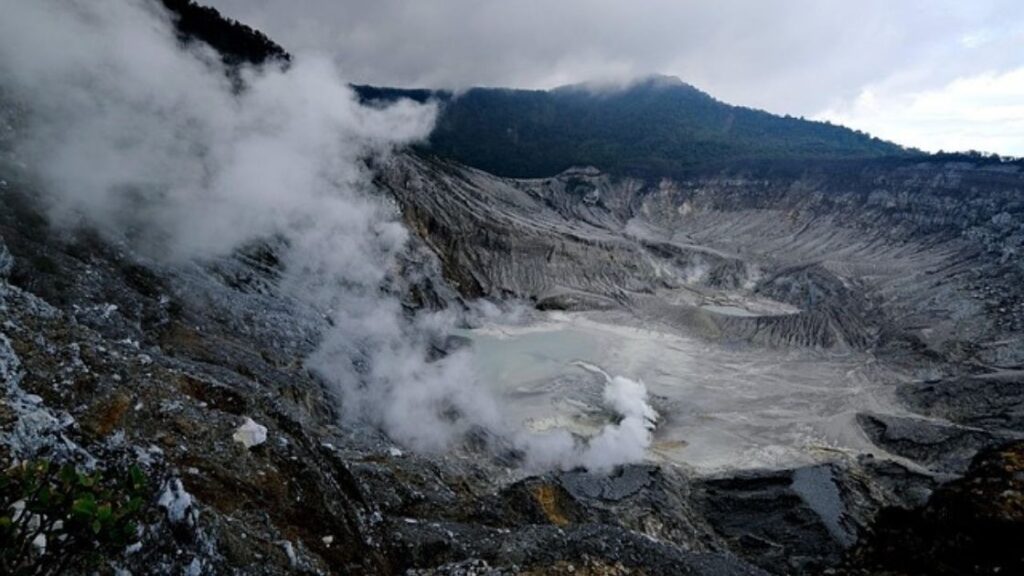
How to Protect and Experience Natural Wonders Responsibly
Preservation begins with individual choices. Travelers who visit these sites carry a direct responsibility to minimize their impact. That means sticking to established trails, carrying out all waste, avoiding single-use plastics, respecting wildlife from a safe distance, and choosing tour operators and accommodations that demonstrate genuine commitment to environmental stewardship.
On a broader scale, conservation depends on strong legal protections, well-funded park management, community-led environmental programs, and international cooperation on emissions reductions. Supporting organizations that work on reef restoration, reforestation, and habitat protection is one of the most effective ways individuals can contribute beyond their own travels.
Governments play an equally critical role. Enforcing protected area boundaries, investing in sustainable infrastructure, regulating visitor numbers at fragile sites, and holding polluters accountable are all necessary steps. The survival of these wonders depends on policy decisions made today.
Why These Places Transform Us
There is something about standing before a landscape shaped over millions of years that recalibrates perspective. The roar of a waterfall, the silence of a cave, the vastness of a desert sky at night Conclusion these experiences bypass rational thought and tap into something deeper. They remind us that the natural world is far older, far more complex, and far more powerful than anything human beings have built.
Research consistently shows that time spent in nature reduces stress, improves mental clarity, and fosters a sense of connection to something larger than oneself. Natural wonders amplify these effects because of their sheer scale and beauty. Artists, writers, scientists, and philosophers have drawn inspiration from these landscapes for centuries, and the effect on modern visitors is no different.
These places also unite people across cultures. Whether a site is sacred to indigenous Australians, revered by Nepali communities, or cherished by Chilean fishermen, natural wonders create shared ground. Protecting them is an act of solidarity across borders, generations, and belief systems.
Conclusion
From the towering rock pillars of Zhangjiajie to the glowing caves of Waitomo, the world is full of jaw-dropping places most people have never heard of. But these hidden gems along with famous ones like the Great Barrier Reef and the Amazon are under real threat from climate change, pollution, and too many visitors.
Understanding why these places matter for nature, for local economies, for culture, and even for the human spirit is the first step in protecting them. What we do as travelers and everyday people will decide whether our kids and grandkids get to experience the same sense of wonder we do.
So travel thoughtfully, support the people working to protect these places, and never stop exploring the incredible world around you.
What are the seven natural wonders of the world?
The most widely cited list includes the Grand Canyon, the Great Barrier Reef, the harbor of Rio de Janeiro, Mount Everest, the Aurora Borealis, Victoria Falls, and the Parícutin volcano in Mexico. However, no single official list exists, and various organizations have proposed different selections over the years.
Which lesser known natural wonders of the world are easiest to visit?
Plitvice Lakes in Croatia, Reynisfjara Beach in Iceland, and the Chocolate Hills of Bohol in the Philippines are all relatively accessible with well-established visitor infrastructure. The Waitomo Caves in New Zealand and Zhangjiajie in China are also well-connected by public transport and tour services.
Why are natural wonders important for biodiversity?
Natural wonders often encompass unique ecosystems that support species found nowhere else on Earth. Coral reefs, for instance, sustain roughly one-third of all marine species despite covering less than one percent of the ocean. Isolated islands like Socotra host plant species that have evolved independently for millions of years. Losing these habitats means losing irreplaceable genetic diversity.
How does climate change threaten natural wonders?
Rising global temperatures cause coral bleaching, glacial retreat, altered rainfall patterns, and increased wildfire frequency. The Great Barrier Reef has experienced six mass bleaching events since 2016. Glaciers in mountain regions are shrinking at accelerating rates. These changes alter ecosystems faster than species can adapt, leading to biodiversity loss and landscape degradation.
What is sustainable tourism and how does it help protect natural wonders?
Sustainable tourism means visiting natural sites in ways that minimize environmental damage and support local communities. This includes choosing eco-certified operators, reducing waste, respecting wildlife, staying on marked paths, and spending money at locally owned businesses. When practiced widely, sustainable tourism reduces the physical pressure on fragile landscapes while still providing economic benefits to surrounding communities.
Can damaged natural wonders recover?
Recovery is possible in many cases, but it depends on the severity of the damage and whether the underlying causes are addressed. Coral reefs can recover from bleaching if ocean temperatures stabilize and local stressors are managed. Forests can regrow over decades if deforestation is halted. However, some damage Conclusion such as the extinction of species endemic to a particular site Conclusion is permanent and irreversible.