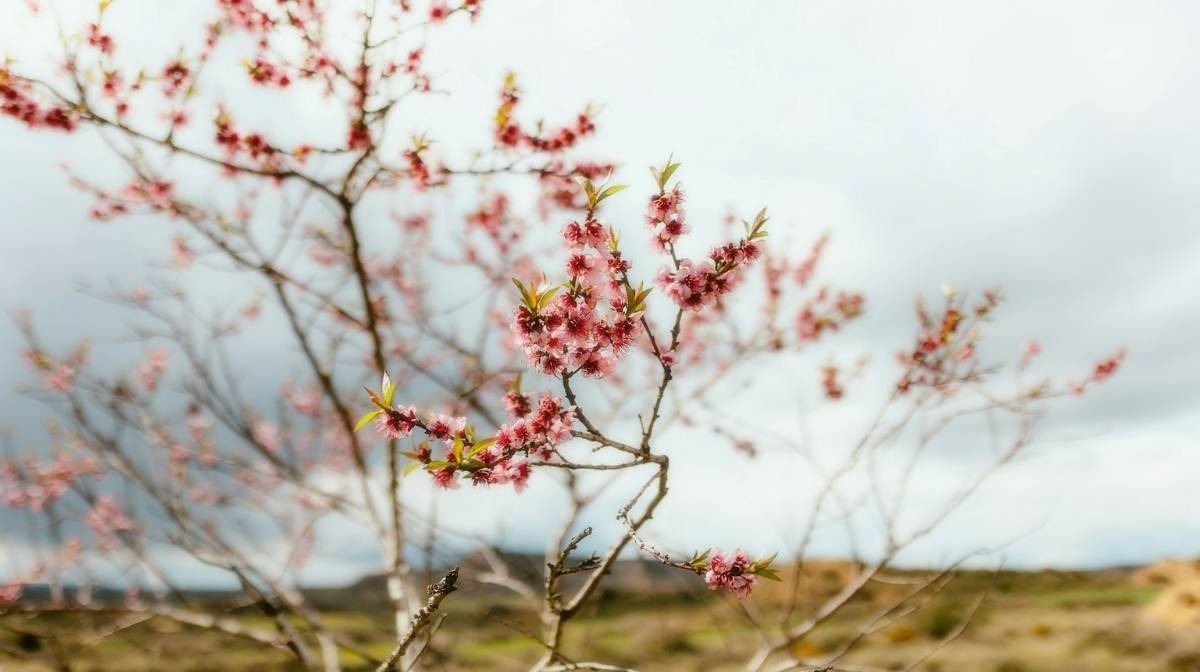
Cherry blossom frost is the silent spring threat that can wipe out weeks of anticipated blooms in a single overnight temperature drop. If you have ever stepped outside on a chilly April morning to find your once vibrant sakura petals turned brown and wilted, frost is almost certainly the culprit. The good news is that with the right knowledge and a few preventive steps, you can significantly reduce the damage and keep your trees blooming beautifully year after year.
Table of Contents
Every season, gardeners, orchardists, and cherry blossom enthusiasts face this challenge. Ornamental and fruiting cherry trees push out delicate flowers early in spring, making them uniquely vulnerable to late-season freezes. Understanding exactly how frost harms blossoms and what actions to take before, during, and after a cold snap is essential for anyone who wants to enjoy a full and healthy bloom.
This guide covers the science behind frost damage, critical temperature thresholds, vulnerable growth stages, identification of frost injury, hands-on protection strategies, post-frost recovery, climate change impacts on bloom timing, and variety selection for frost-prone regions. Whether you tend a single backyard Yoshino or manage a commercial sweet cherry operation, you will find actionable steps here.
What Is Cherry Blossom Frost and Why Does It Matter?
Cherry blossom frost refers to any freezing event that occurs while cherry trees are actively budding, blooming, or in early fruit set. Unlike midwinter cold, which dormant trees tolerate with ease, a spring frost strikes when tissues are soft, hydrated, and completely unprotected.
The consequences go well beyond aesthetics. For ornamental cherry trees, frost can eliminate the entire seasonal display that neighborhoods, parks, and festivals depend on. For fruiting varieties, the damage is economic. According to Michigan State University Extension, crop losses from spring freezing temperatures are almost always significant in cherries because the trees need a high volume of small fruits for a worthwhile harvest.
In my own experience managing cherry orchards in western Michigan, I have seen a single night at minus 3°C reduce a projected 12-ton harvest to under 2 tons. That kind of loss is devastating for commercial growers and deeply frustrating for home gardeners who waited all winter for their trees to bloom.
How Frost Damages Cherry Blossoms at the Cellular Level
When temperatures dip below freezing, ice crystals form within plant tissue through two primary pathways. Intracellular freezing generates crystals directly inside the cell, puncturing membranes and killing the cell almost instantly. Extracellular freezing forms ice in the spaces between cells, creating an osmotic deficit that pulls water out of the cell, dehydrating and collapsing vital structures. Research published on the Smartcherry platform provides detailed modeling of both mechanisms in cherry tissue.
In practical terms, the water inside and around each petal and bud expands as it freezes, rupturing cell walls. Once those walls break, the tissue dies. You will notice this damage within hours as blossoms turn brown, black, or mushy. The speed of the temperature drop also matters a slow, gradual decline gives cells slightly more time to dehydrate protectively, while a sudden plunge causes the most catastrophic intracellular freezing.
Critical Temperature Thresholds Every Grower Should Know
Knowing the exact temperatures that cause harm allows you to act before it is too late. According to Michigan State University Extension, freezing temperatures of 28°F (approximately minus 2°C) result in roughly 10 percent loss of open blooms, while 24°F (minus 4°C) can lead to 90 percent loss. Data from the Smartcherry research platform confirms these thresholds: at minus 2.22°C roughly 10% of buds are lost, and at minus 4.44°C the devastation reaches 90%.
Here is a quick reference table:
| Temperature | Approximate Blossom Loss |
| 0°C (32°F) | Minimal risk for closed buds |
| −2°C (28°F) | Around 10% of open blooms lost |
| −3°C (27°F) | Moderate damage, 25–50% loss possible |
| −4°C (24°F) | Severe damage, up to 90% loss |
The key takeaway is that every single degree below freezing multiplies the destruction exponentially once blossoms are open. This is why precise weather monitoring not just checking the general forecast is so critical during bloom season. Invest in a reliable min/max thermometer placed at canopy height, or use a digital weather station with frost alert capability such as those from Davis Instruments or Ambient Weather.
Which Growth Stages Are Most Vulnerable to Frost?
Not all timing is equal. A frost that hits during the tight bud stage causes far less harm than one striking during full bloom. According to Smartcherry, the susceptibility of cherry tissue depends dramatically on its developmental stage, with vulnerability reaching its maximum from the swollen bud to the exposed cluster phase. Research from the Southwest Michigan Research and Extension Center found that crops in the tightly clustered stage suffered damage ranging from 51.9% to 76.9%, while those at green tip suffered losses from 50% to 62.6%.
Here is a simplified breakdown of risk by growth stage:
Dormant buds (winter): Highly cold tolerant, minimal frost risk. Trees can withstand temperatures well below minus 15°C depending on variety.
Swollen buds: Vulnerability increases as protective bud scales loosen and internal tissue begins hydrating. Damage starts around minus 5°C to minus 7°C.
Green tip and tight cluster: Significant frost risk begins. Tissue is actively growing and exposed. Damage threshold rises to around minus 2°C to minus 4°C.
Open bloom: Maximum vulnerability. Even a brief dip below minus 2°C causes major losses. The pistil, the small female reproductive structure at the flower center, is especially sensitive.
Post bloom and petal fall: Still vulnerable, particularly developing fruitlets, which can be killed at minus 1°C to minus 2°C.
The practical lesson is straightforward monitor temperatures most aggressively once buds begin to swell in late winter and continue through petal fall.
How to Identify Cherry Blossom Frost Damage
Recognizing frost injury quickly helps you respond before secondary problems like disease set in. According to MSU Extension, it takes several hours for symptoms to develop fully, and as frozen tissues thaw they turn brown or black if they were killed by the cold.
Flowers and buds: Petals appear water-soaked at first, then turn brown or black within 24 to 48 hours. If the pistil at the flower center has darkened, that flower will not produce fruit.
Leaves: New foliage may curl, wilt, or develop dark brown margins. In severe cases leaves drop entirely, and the tree must push a second flush of growth, weakening it.
Bark and wood: On young trees, look for discolored or vertically split bark on the trunk and lower branches, especially on the south- or southwest-facing side where solar heating creates the greatest temperature swings.
Delayed symptoms: Some damage takes days or even weeks to become obvious. Fruitlets may appear normal initially but drop a few weeks later. Continue monitoring for at least three weeks after any frost event.
Proven Methods to Protect Cherry Blossoms from Frost
Prevention is always more effective than recovery. The following strategies range from simple weekend projects to professional orchard techniques. Combining two or more methods delivers the best results.
Physical Barriers and Frost Covers
One of the most accessible protection methods is covering your trees before temperatures drop. Use frost blankets, burlap wraps, or breathable row covers draped completely over the canopy and secured at the base. Avoid using bare plastic sheeting, which traps moisture and can actually worsen ice formation on the blossoms.
For smaller ornamental cherry trees, even old bedsheets or painter’s drop cloths work well. The cover traps rising ground heat and creates a microclimate that can be 2°C to 4°C warmer than the surrounding air. Apply covers in the late afternoon before sunset and remove them in the morning once temperatures rise safely above freezing so the tree receives sunlight and pollinators can access the flowers.
Strategic Site Selection and Planting
Long-term frost protection starts with where you plant. Cold air is denser than warm air and flows downhill like water, pooling in low-lying areas. According to GrowVeg, training fruit trees against sun-facing stone or brick walls is particularly beneficial for less hardy fruits such as cherries because the wall absorbs solar heat during the day and radiates it back at night, creating a warmer microclimate.
Avoid planting in frost pockets low areas bordered by walls, fences, or dense hedges that trap cold air. If your property has a gentle slope, plant your cherry trees in the upper third where cold air drains away rather than accumulating. Even a difference of a few meters in elevation can mean 2°C to 3°C warmer overnight temperatures during radiation frost events.
Irrigation-Based Frost Protection
This technique sounds counterintuitive, but spraying water on blossoms before a freeze actually works. As the water begins to freeze on the blossom surface, the phase change from liquid to solid releases latent heat energy at a rate of 334 joules per gram. This released energy maintains the blossom temperature at or near 0°C even as the air drops several degrees below freezing, according to research documented by University of California Agriculture and Natural Resources.
This method is widely used in commercial orchards but requires continuous water application throughout the entire freezing event. Stopping too early allows the ice-coated tissue to cool rapidly through evaporative loss and can cause more harm than skipping irrigation entirely. Home gardeners can adapt this approach with oscillating sprinklers on a timer, but only if they commit to running water from before the freezing temperature arrives until it passes the following morning.
Additionally, wet soil radiates more stored heat than dry soil. Watering the ground around your tree thoroughly when frost is forecast provides a modest but meaningful temperature boost at canopy level, as noted by GrowVeg.
Wind Machines and Heaters
During radiation frost events clear, calm nights where the ground loses heat rapidly to the sky a layer of warmer air called a temperature inversion often sits 10 to 15 meters above the orchard floor. Commercial growers use large wind machines that mix this warmer air downward, raising ground-level temperatures by 1°C to 3°C. According to Baugher’s Orchard, these machines create enough air movement to keep blooms from freezing on still nights.
Some operations also deploy propane-powered frost busters or smudge pots that blow heated air through rows of trees. While these are typically reserved for larger orchards due to cost, even a small portable fan placed near a backyard cherry tree on a calm, frosty night can help disrupt the still air pocket where frost settles first.
Mulching for Root Zone Insulation
Apply a generous 10 to 15 cm layer of organic mulch wood chips, straw, or shredded bark around the base of your cherry tree in late autumn. Mulch insulates the root zone, retains soil warmth, reduces frost penetration into the ground, and promotes the soil biological activity that supports overall tree health. Keep mulch pulled back 10 to 15 cm from the trunk itself to prevent moisture-related bark diseases such as Phytophthora collar rot.
Recovering from Cherry Blossom Frost Damage
If frost has already struck, your tree is not necessarily lost. Recovery depends on the severity of the damage and how you respond in the following weeks.
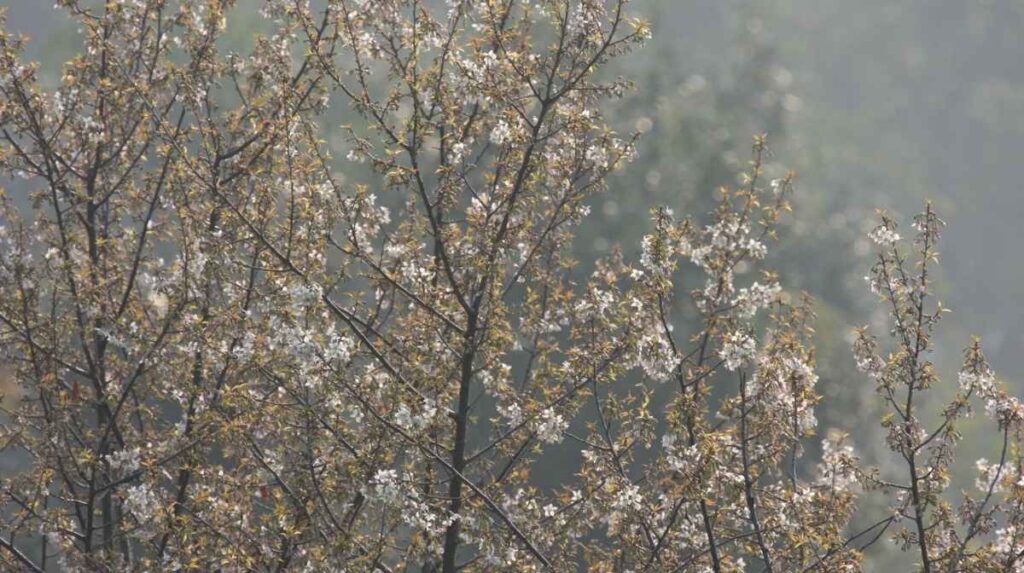
Wait before pruning. Give the tree at least two to three weeks after the frost event so you can clearly distinguish dead tissue from growth that is recovering. Cutting too soon may remove branches that would have leafed out from secondary buds.
Prune damaged wood carefully. According to advice from Gardener’s World and RHS, remove any blackened or clearly dead material using clean, sharp tools sterilized between cuts with rubbing alcohol. Make cuts back to healthy wood just above an outward-facing bud or lateral branch.
Delay fertilization. Wait until the danger of frost has fully passed, then apply a balanced slow-release fertilizer to provide nutrients for recovery without pushing tender new growth into another potential cold snap. A formulation around 10-10-10 or a quality organic alternative works well for most cherry trees.
Water consistently. Frost-stressed trees benefit from consistent soil moisture. Avoid both drought stress and waterlogging. Deep watering once or twice per week is preferable to frequent shallow irrigation.
Monitor for disease. Frost-wounded tissue is an open invitation for fungal and bacterial pathogens including brown rot (Monilinia), bacterial canker (Pseudomonas syringae), and silver leaf (Chondrostereum purpureum). Watch for cankers, oozing sap, or unusual discoloration and treat promptly with appropriate fungicides or bactericides.
Climate Change and the Shifting Frost Risk for Cherry Blossoms
Warmer winters and erratic spring temperatures are reshaping the frost risk landscape worldwide. Cherry trees rely on a specific accumulation of chill hours time spent below approximately 7°C during winter to break dormancy properly. When winters are too mild, trees may bloom earlier than usual, exposing flowers to late-season cold snaps they would historically have avoided.
The 2026 cherry blossom season illustrates this pattern clearly. According to the Japan Meteorological Corporation, record-breaking warmth in March 2026 pushed bloom dates forward by nearly 3 to 5 days across Japan’s Pacific coast. Meanwhile, in cities like New York and Washington DC, a late frost after initial budding remains the primary risk factor for cherry blossom displays, as reported by local horticultural agencies.
In Chile’s cherry-growing regions, the 2024 season saw temperatures drop to minus 3°C in Valparaíso and Maule, causing catastrophic losses in orchards that lacked active frost protection systems, according to Smartcherry.
The trend is unmistakable: bloom dates are shifting earlier while the probability of damaging spring frosts persists. Both commercial growers and home gardeners need to plan for a wider window of vulnerability than previous generations ever faced.
Choosing Frost-Tolerant Cherry Varieties for Your Region
If you live in a frost-prone area, selecting the right variety from the start can save years of frustration. Late-blooming cherry cultivars naturally avoid the worst spring frosts because their flowers open after the most dangerous cold spells have typically passed.
Ornamental varieties for frost-prone areas: Kwanzan (Kanzan) blooms 10 to 14 days after Yoshino, significantly reducing frost exposure. Okame is another strong choice that flowers early but recovers vigorously. Autumn-flowering varieties like Prunus subhirtella ‘Autumnalis’ spread their bloom across autumn and spring, reducing the risk of total loss from any single event.
Fruiting varieties for frost-prone areas: Sour (acid) cherry varieties such as Montmorency and Morello tend to flower later than sweet cherries and tolerate colder conditions. Among sweet cherries, later-blooming cultivars like Sweetheart and Lapins offer better frost avoidance than early varieties like Burlat or Chelan.
Rootstock considerations: Dwarfing rootstocks such as Gisela 5 produce smaller trees that are easier to cover with frost blankets. This practical advantage can outweigh marginal differences in bloom timing.
Match chill hour requirements to your local climate so trees break dormancy at the appropriate time rather than blooming dangerously early during a warm spell. Your local Cooperative Extension office can provide chill hour data specific to your county.
Conclusion
Cherry blossom frost is an unavoidable reality of growing these magnificent trees in temperate climates, but it does not have to mean devastation. By understanding the critical temperature thresholds, recognizing which growth stages carry the highest risk, and deploying a combination of physical covers, smart irrigation, proper site selection, wind protection, and mulching, you can protect your cherry blossoms from all but the most extreme freezing events.
Recovery is possible even after a damaging frost, provided you give the tree time, prune carefully, monitor for disease, and avoid pushing new growth too soon. And with climate patterns making early blooms increasingly common, planning ahead with late-flowering varieties and vigilant weather monitoring has never been more important.
Start preparing your frost protection plan now before the next cold snap catches your blossoms off guard.
What temperature kills cherry blossoms?
Open cherry blossoms begin suffering damage at around 28°F (minus 2°C), with roughly 10% of blooms lost at that threshold. At 24°F (minus 4°C), losses can reach 90% or higher depending on duration and growth stage.
Can cherry blossoms recover after frost damage?
The tree itself is resilient and will usually survive even if the current season’s blooms are lost entirely. Prune dead material once damage is clearly visible, delay fertilizing until frost danger passes, and the tree should produce healthy blooms the following spring.
When are cherry blossoms most vulnerable to frost?
From the swollen bud stage through full bloom, typically late March to mid-April in most temperate Northern Hemisphere regions. Post-bloom fruitlets remain at risk until roughly three weeks after petal fall.
How do commercial farmers protect cherry orchards from frost?
Professional growers use a layered approach combining wind machines to mix warm inversion-layer air downward, overhead sprinkler systems that release latent heat as water freezes on blossoms, propane heaters, and strategic orchard siting that avoids frost pockets. Many also use real-time temperature sensors and automated alert systems.
Does climate change make cherry blossom frost worse?
Indirectly, yes. Warmer winters cause trees to break dormancy and bloom earlier, increasing the probability that open flowers coincide with a late spring frost. The frost events themselves may not be more severe, but the mismatch between earlier bloom timing and persistent cold weather risk is growing.
Should I cover my cherry tree every night in spring?
Only when freezing temperatures are forecast. Covering on mild nights is unnecessary and can trap excessive moisture or block beneficial nighttime cooling. Monitor your local weather closely from bud swell through mid-spring, and apply covers in the late afternoon before any night when temperatures are expected to drop below 0°C (32°F).