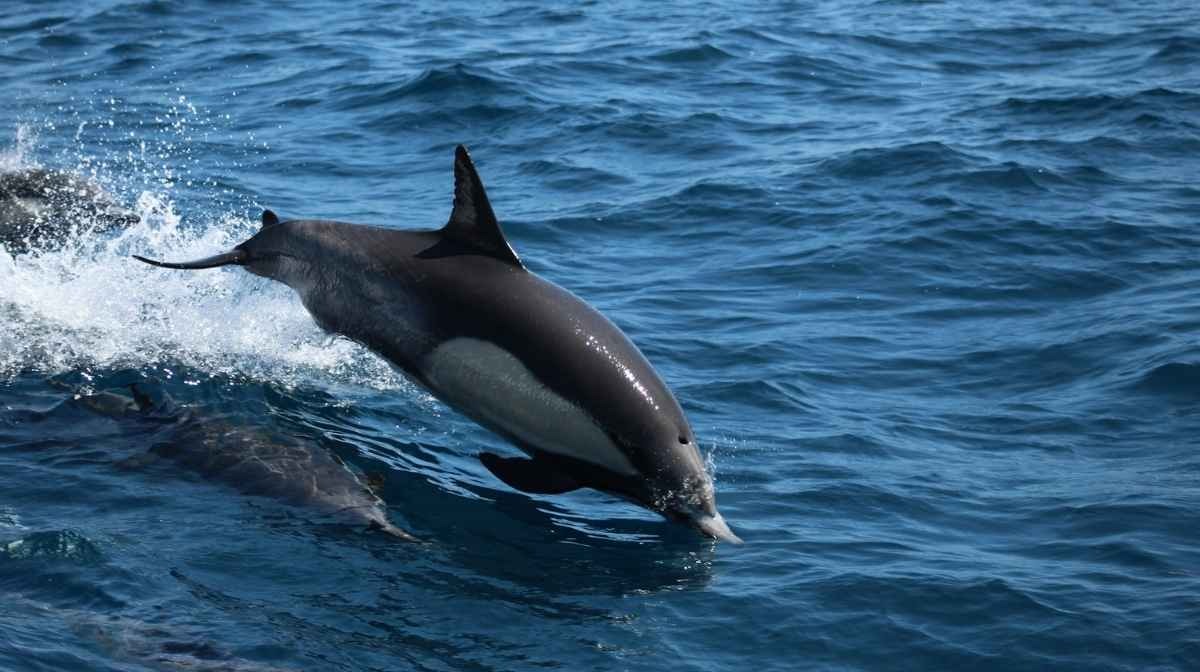
The boto dolphin is a freshwater cetacean that calls the murky rivers and flooded forests of South America its permanent home. Known more widely as the Amazon river dolphin or the pink river dolphin, this extraordinary creature has fascinated scientists and local communities for centuries. Unlike any marine dolphin you have ever seen on a nature documentary, the boto lives its entire life in rivers, swims through submerged treetops during flood season, and gradually turns pink as it ages.
Table of Contents
If you searched for “boto dolphin” looking for quick, reliable answers about what this animal is, where it lives, and why it matters, you are in the right place. This guide covers its biology, habitat, diet, unique physical features, conservation status, and the rich folklore that surrounds it.
What Exactly Is a Boto Dolphin?
A boto (scientific name Inia geoffrensis) is the largest species of river dolphin on the planet. It belongs to the family Iniidae and is found exclusively in freshwater systems across South America. The word “boto” comes from Portuguese and is used by local communities across Brazil, Colombia, Peru, and Bolivia to refer to this animal.
Three recognized subspecies exist within this species:
| Subspecies | Scientific Name | Primary Range |
| Amazon river dolphin | I. g. geoffrensis | Amazon basin |
| Bolivian river dolphin | I. g. boliviensis | Upper Madeira River, Bolivia |
| Orinoco river dolphin | I. g. humboldtiana | Orinoco basin, Venezuela and Colombia |
A fourth closely related species, the Araguaian river dolphin (Inia araguaiaensis), was identified in 2014 through mitochondrial DNA studies and is now considered a separate species altogether.
Where Does the Boto Live?
Botos inhabit the Amazon and Orinoco river basins, spanning seven South American countries: Brazil, Bolivia, Colombia, Ecuador, Guyana, Peru, and Venezuela.
But their habitat goes far beyond main river channels. During the wet season, when Amazonian rivers overflow and submerge surrounding forests for months at a time, botos swim directly into these flooded woodlands. They navigate between tree trunks and tangled roots to hunt fish that feed on fallen fruits and seeds. This seasonal behavior has earned them the nickname “dolphins of the forest.”
Their range is limited by natural barriers such as impassable rapids, waterfalls, shallow waters, and cold temperatures at higher elevations.
What Makes the Boto Dolphin Physically Unique?
The boto looks strikingly different from the bottlenose dolphins most people picture when they hear the word “dolphin.” Several physical features set it apart.
Body Size and Shape
According to National Geographic, adult botos can reach up to eight feet (approximately 2.5 meters) in length and weigh as much as 450 pounds (roughly 185 kilograms). Males tend to be larger than females. Their bodies are robust, with a rounded forehead created by a pronounced fatty organ called a melon, which helps them produce and focus echolocation signals.
The Famous Pink Coloring
Perhaps the most talked about feature of this species is its color. Baby botos are born with a bluish gray skin tone. As they grow older, their skin gradually shifts to pink. Males tend to be significantly pinker than females.
Researchers believe this pink coloration is largely the result of accumulated scar tissue. Male botos frequently engage in aggressive physical encounters with each other. As bite wounds and abrasions heal over time, the resulting scar tissue replaces the original gray pigment with a pinkish hue. According to Whale and Dolphin Conservation, the intensity of pink coloring in males may serve as a visual signal of maturity and dominance, similar to how antlers function in deer or tusks in narwhals.
Flexible Neck
Unlike ocean dolphins whose cervical vertebrae are fused, the boto has unfused neck bones. This gives it the ability to turn its head up to 90 degrees in any direction. This flexibility is essential for maneuvering through dense, flooded forest environments where obstacles are everywhere.
Specialized Teeth
Botos possess a unique dental structure among dolphins. They have conical teeth at the front of their jaws for grabbing prey and flatter, molar like teeth toward the back for crushing food. This heterodont dentition makes them the only dolphin species with teeth that function somewhat like human molars.
What Does the Boto Eat?
Botos are opportunistic feeders with a remarkably varied diet. According to SeaWorld’s species profile, they consume over 43 different species of fish, along with crustaceans, crabs, and even small turtles.
They typically feed near the river bottom, using their long snouts to root through muddy sediment. Bristle like hairs at the tips of their beaks act as sensory tools, helping them detect prey in water where visibility is almost zero.
During flood season, their hunting strategy shifts. They follow fish populations into submerged forests, weaving through branches and roots with their flexible bodies and large paddle shaped flippers. These flippers can rotate independently, allowing botos to swim backward, upside down, and perform tight pivoting turns that would be impossible for most marine dolphins.
Diet at a Glance
- Over 43 fish species (including piranhas and catfish)
- Freshwater crabs and shrimp
- Small turtles
- Crustaceans found along river beds
Botos are active hunters both day and night, and they rely heavily on echolocation to locate prey in the dark, silt heavy waters of the Amazon.
Behavior and Social Life
Unlike bottlenose dolphins that travel in large, social pods, botos are largely solitary creatures. They are most commonly spotted alone, in mother and calf pairs, or in small clusters of three to four individuals.
Occasionally, groups of 20 to 40 botos may gather in a single feeding area when food is plentiful, but these are temporary aggregations rather than stable social groups. The only lasting social bond observed among botos is the one between a mother and her offspring. Females carry their calves for 11 to 15 months before giving birth, and the young nurse for over a year while staying close to their mothers, as noted by National Geographic.
Courtship Displays
Male botos have one of the more unusual mating rituals in the animal kingdom. They have been observed picking up branches, floating plants, or even live turtles in their mouths, spinning in circles, and then slapping their chosen object against the water surface. Researchers believe these displays are meant to attract the attention of females. Only two other species are widely known to use similar object based courtship rituals: chimpanzees and humans.
Curiosity Toward Humans
Botos are known to be remarkably inquisitive around people. Local fishermen report that botos sometimes approach canoes, grab paddles with their beaks, and swim away with them. They have also been observed playing with sticks, weeds, and even live fish or snakes.
Is the Boto Dolphin Endangered?
Yes. The IUCN Red List classified the Amazon river dolphin as “Endangered” in 2018, with evidence suggesting the total population has declined by 50% or more over a 75 year assessment window. All five remaining river dolphin species on Earth are now considered threatened with extinction, according to WWF.
The boto faces a combination of human caused threats that continue to push its numbers downward.
Major Threats
- Hydroelectric dams fragment river habitats and block migration routes between populations. Over 170 dams are either planned or already under construction across the Amazon basin.
- Mercury pollution from illegal and artisanal gold mining accumulates in fish, then concentrates in dolphin tissue, leading to potential neurological and reproductive damage.
- Fishing net entanglement drowns botos that get caught in gill nets set across river channels.
- Deliberate hunting for use as catfish bait (known as piracatinga fishing) has killed thousands of botos since the mid 1990s, as reported by Whale and Dolphin Conservation.
- Deforestation and agriculture destroy floodplain forests, removing the fruit bearing trees that sustain the fish species botos rely on for food.
In 2012, Bolivia declared the boto a national treasure and enacted legal protections. Brazil also prohibits the capture, harassment, and killing of botos under federal law, though enforcement in remote Amazonian regions remains a major challenge.
The 2023 Lake Tefé Mass Die Off
In September 2023, the world witnessed one of the most devastating events in dolphin history. According to Al Jazeera, over 150 river dolphins were dead in Brazil’s Lake Tefé after water temperatures soared past 40°C (104°F) during an extreme drought.
Researchers from the Mamirauá Institute reported that approximately 80% of the recovered carcasses were pink river dolphins. That loss may have represented around 10% of the estimated boto population in Lake Tefé alone.
The leading hypothesis, still under investigation, is that the extreme heat triggered an algal bloom that released toxins harmful to the dolphins’ central nervous system. Scientists also noted dramatic daily temperature swings of up to 13°C between afternoon peaks and predawn lows, creating repeated thermal shocks that left the dolphins with no cool water refuge.
A follow up event hit Lake Coari the next month, where an additional 120 dolphins perished. Climate researchers have since confirmed that these droughts were intensified by fossil fuel driven climate change, and they warn that similar events are likely to become more frequent as Amazon lake temperatures continue rising at roughly 0.6°C per decade, based on satellite records dating back to 1990.
Boto Dolphin Folklore: The Legend of the Boto Encantado

Beyond biology, the boto holds a powerful place in Amazonian mythology. In the traditional stories of riverside communities across Brazil, Peru, and Colombia, the boto is no ordinary animal. It is an enchanted being known as the “boto encantado.”
According to the legend, the boto transforms into a handsome young man at night. He wears a white hat to conceal the blowhole still visible on top of his head, attends local parties and festivals, and seduces young women before returning to the river at dawn in dolphin form.
This myth has served a complex social role for generations. It has been used to explain unexpected pregnancies and also to instill caution about wandering near rivers after dark. Other stories say that making eye contact with a boto will bring lifelong nightmares, and that killing or eating one brings terrible misfortune.
Interestingly, as noted by Aqua Expeditions, these supernatural beliefs may have actually helped protect boto populations for centuries by discouraging local communities from harming them. However, as migration and outside settlement have increased in the Amazon region, these cultural protections have weakened considerably.
Dolphin Conservation Efforts
Several organizations and government initiatives are actively working to reverse the decline of boto populations.
The Global Declaration for River Dolphins, launched in 2023, aims to unite countries with river dolphin populations under a shared commitment to halt population declines. As of early 2024, 11 of the 14 eligible nations had signed.
Peru’s National Action Plan for river dolphin and Amazonian manatee conservation, approved in 2018, integrates scientific research with community education programs.
WWF and Whale and Dolphin Conservation both fund freshwater protected area projects and population monitoring programs throughout the Amazon and Orinoco basins.
Brazil’s Chico Mendes Institute for Biodiversity Conservation deploys rapid response veterinary teams during crisis events like the Lake Tefé die off.
Supporting responsible ecotourism is another practical way to help. In many parts of the Peruvian and Brazilian Amazon, guided boat excursions to observe wild botos provide income that gives local communities a direct economic incentive to protect these animals rather than harm them.
Conclusion
This freshwater cetacean is one of the most remarkable and irreplaceable animals on Earth. From its signature pink coloring and flexible neck to its ability to navigate flooded forests using echolocation, it has adapted to a world unlike any other dolphin habitat on the planet. Yet its survival is far from guaranteed. Habitat destruction, pollution, climate change, and direct hunting continue to push its population downward.
Understanding the boto’s biology, recognizing the threats it faces, and supporting the conservation efforts dedicated to saving it are steps every reader can take. Share this article with someone who cares about wildlife, follow organizations like WWF and Whale and Dolphin Conservation for updates, and consider supporting Amazon ecotourism operators that prioritize dolphin welfare.
The boto has survived in the Amazon for millions of years. What happens next depends on the choices we make today.
Why is this dolphin pink?
Botos are born with gray skin that gradually turns pink as they age. The pink coloring is primarily caused by scar tissue that accumulates from physical encounters and rough play between males. The pinker a male boto is, the more it may signal maturity and dominance to potential mates.
Are these dolphins dangerous to humans?
No. Botos are not aggressive toward people and have never been documented attacking humans. In fact, they are known for being curious and playful around canoes and boats. Local legends about the boto transforming into a man are part of folklore, not reality.
How many boto dolphins are left in the wild?
Exact population numbers are difficult to determine because botos live in murky, remote waterways. The WWF estimates the total population is in the tens of thousands, but the species is classified as Endangered by the IUCN with a declining trend. Some regional populations have been cut in half or worse.
What is the difference between a boto and a tucuxi dolphin?
The boto (Inia geoffrensis) is larger, pinker, and has a long snout with a bulbous forehead. The tucuxi (Sotalia fluviatilis) is smaller, gray colored, and more closely resembles a marine bottlenose dolphin in shape. Both species share the Amazon river system but belong to entirely different families.
Can you see botos in the wild?
Yes. Responsible ecotourism operators in Brazil, Peru, Colombia, and Ecuador offer guided boat trips where travelers can observe botos in their natural habitat. The best sightings typically occur during the dry season when dolphins are concentrated in main river channels.
What happened to the dolphins in Lake Tefé in 2023?
Over 150 river dolphins died in Brazil’s Lake Tefé in September 2023 during a record drought. Water temperatures exceeded 40°C, and scientists suspect the heat triggered toxic algal blooms. The event highlighted the growing threat of climate change to Amazonian freshwater ecosystems.