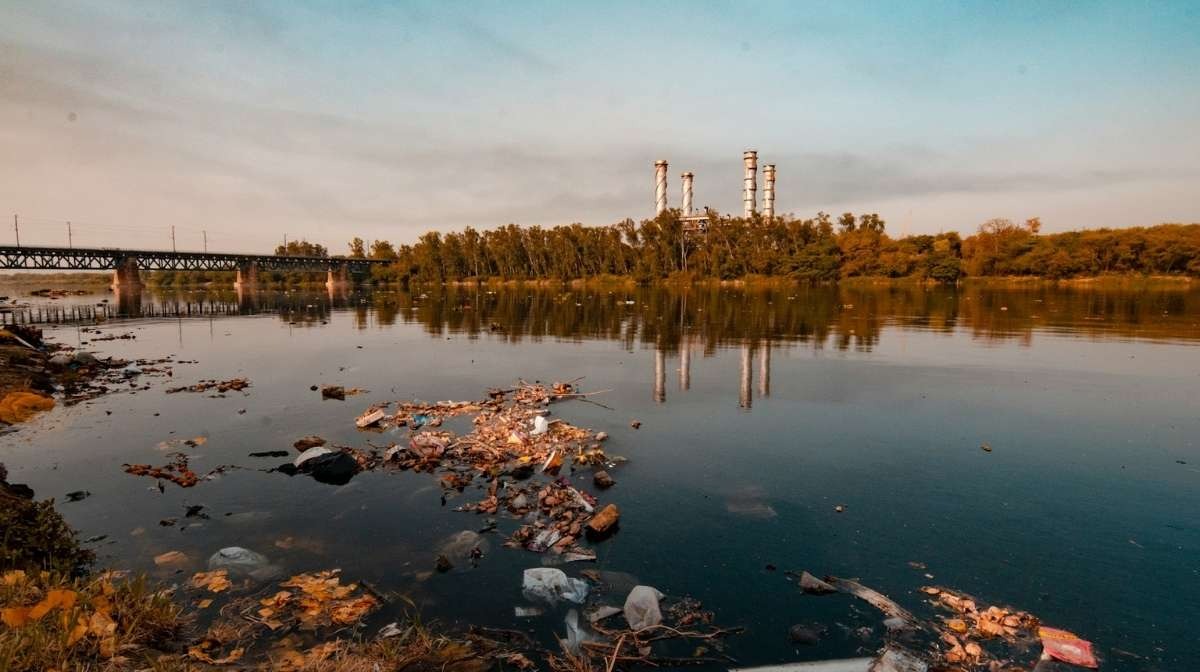
Domestic wastewater pollution is a growing environmental concern affecting water bodies and public health worldwide. It refers to the contamination caused by household sewage, including water discharged from kitchens, bathrooms, laundry, and toilets. This wastewater contains harmful substances such as detergents, chemicals, organic matter, pathogens, and nutrients that can severely degrade the quality of rivers, lakes, and groundwater.
Table of Contents
Rapid urbanization and population growth have significantly increased the volume of domestic wastewater, often overwhelming treatment facilities. When untreated or poorly treated wastewater enters natural water systems, it leads to oxygen depletion, algal blooms, and the spread of waterborne diseases. Addressing domestic wastewater pollution is critical for safeguarding ecosystems, protecting human health, and ensuring access to clean water for future generations.
What Is Domestic Wastewater Pollution?
Domestic wastewater pollution refers to the contamination of water bodies by untreated or partially treated sewage and liquid waste generated from households. This includes water discharged from kitchens, bathrooms, laundry rooms, and toilets.
Every time you flush a toilet, run a washing machine, or drain a kitchen sink, wastewater leaves your home. When municipal systems fail to treat this water adequately before releasing it into rivers, lakes, or oceans, the result is widespread environmental and health damage.
According to the United Nations SDG 2025 Report, only 56% of the 332 billion cubic meters of domestic wastewater generated globally in 2024 was safely treated. UNSD That means nearly half of all household sewage enters the environment without proper processing. Trends in domestic wastewater treatment suggest that little meaningful progress is being made toward the goal of halving unsafe discharges by 2030. UNSD
Common Sources of Household Wastewater
Domestic wastewater pollution originates from two primary categories of household discharge.
Blackwater comes from toilets and contains human waste, pathogens, and high concentrations of nitrogen and phosphorus. It poses the greatest health risk due to the presence of fecal matter.
Greywater flows from sinks, showers, bathtubs, and laundry machines. While less contaminated than blackwater, greywater still carries detergents, food particles, oils, and traces of household chemicals.
Other contributors include water from dishwashers, floor drains, and water softeners. In areas without centralized sewer systems, septic tank leakage and open drainage channels add another layer of contamination.
Why Is Domestic Wastewater Pollution a Growing Problem?
The scale of household sewage pollution is expanding for several interconnected reasons.
Rapid urbanization is concentrating millions of people in cities that lack the infrastructure to collect and treat rising volumes of wastewater. As UN Water notes, population growth, accelerated urbanization, and economic development are all increasing the quantity of wastewater generated globally and its overall pollution load. UN-Water
Aging sewage infrastructure in many developed nations leads to pipe bursts, overflows during heavy rainfall, and treatment plant failures. Combined sewer systems, which handle both stormwater and sewage in a single pipe, frequently overflow during storms.
Lack of sanitation in low income regions means that in many developing countries, household sewage is released directly into open water or onto land. In some developing nations, less than 5% of domestic and urban wastewater receives any form of treatment before being discharged. UN-Water
Key Pollutants Found in Domestic Wastewater
Household sewage carries a complex mixture of harmful substances. Understanding these pollutants helps explain why untreated domestic wastewater is so damaging.
Pathogens such as bacteria (E. coli, Salmonella), viruses (Hepatitis A, Norovirus), and parasites (Giardia, Cryptosporidium) are the most immediate threat. These organisms cause waterborne diseases when they enter drinking water sources.
Nutrients including nitrogen and phosphorus enter waterways through human waste and household detergents. In excess, these nutrients trigger algal blooms that deplete oxygen in lakes and rivers.
Pharmaceuticals and personal care products such as antibiotics, hormones, and cosmetic chemicals pass through the body or wash down drains. Conventional treatment plants often cannot fully remove these emerging contaminants.
Heavy metals and microplastics also travel through domestic drains, originating from cleaning agents, synthetic clothing fibers, and household plumbing.
Health Effects of Domestic Wastewater Pollution
Untreated household sewage is one of the most significant threats to public health worldwide.
The World Health Organization links contaminated water and poor sanitation to the transmission of cholera, diarrhoea, dysentery, hepatitis A, typhoid, and polio. WHO These diseases disproportionately affect children and communities in regions with limited access to clean water.
WHO estimates that microbiologically contaminated drinking water causes approximately 505,000 diarrhoeal deaths each year. WHO The vast majority of these deaths occur in low and middle income countries where domestic wastewater treatment is minimal or nonexistent.
Beyond acute infections, long term exposure to wastewater contaminated water has been associated with chronic health outcomes. A 2022 review published in Frontiers in Environmental Science found that the health impact of water pollution is significant, with links to cancer, neurological disorders, and cardiovascular disease, though the severity varies by region, age, and gender. Frontiers
Children are especially vulnerable. Repeated bouts of waterborne illness can lead to malnutrition, stunted growth, and reduced cognitive development in young populations.
Environmental Impact of Untreated Sewage
The ecological consequences of domestic wastewater pollution extend far beyond human health.
Eutrophication and Dead Zones
When nutrient rich sewage reaches freshwater or coastal ecosystems, it fuels explosive algal growth. As these algae die and decompose, bacteria consume dissolved oxygen, creating hypoxic “dead zones” where fish and other aquatic organisms cannot survive. This process, known as eutrophication, has damaged waterways on every continent.
Groundwater Contamination
In areas relying on pit latrines or poorly maintained septic tanks, sewage seeps into underground aquifers. Millions of people depend on shallow wells for drinking water, making groundwater contamination from domestic sources a quiet but widespread crisis.
Harm to Aquatic Ecosystems
Pathogens, chemicals, and excess nutrients from household wastewater degrade river and lake habitats. Fish populations decline, biodiversity shrinks, and the ecological services these water bodies provide, including water filtration and flood control, weaken over time.
UN Water reports that wastewater accounts for roughly 1.57% of global greenhouse gas emissions, nearly matching the climate impact of the global aviation industry. UN-Water Methane and nitrous oxide released during the decomposition of untreated sewage contribute directly to climate change.
How Domestic Wastewater Is Treated
Effective sewage treatment removes pollutants in stages before clean water is released back into the environment.
Primary treatment uses physical processes like screening and sedimentation to remove large solids and debris from raw sewage.
Secondary treatment relies on biological processes where microorganisms break down dissolved organic matter. This stage removes the bulk of biodegradable material.
Tertiary or advanced treatment targets remaining nutrients, pathogens, and chemical contaminants through filtration, UV disinfection, or chemical treatment. This stage produces water clean enough for reuse in some applications.
SDG indicator 6.3.1 defines “safely treated” wastewater as that which receives at least secondary level treatment in compliance with national or local standards. Sdg6data
Solutions to Reduce Domestic Wastewater Pollution
Tackling household sewage pollution requires action at every level, from individual homes to national policy.
Invest in Sewage Infrastructure
Governments must prioritize building and upgrading wastewater treatment plants, particularly in rapidly growing urban areas. Decentralized treatment systems such as constructed wetlands and package treatment plants offer cost effective alternatives for smaller communities.
Promote Water Reuse and Recycling
Treated domestic wastewater can be safely reused for irrigation, industrial cooling, and even groundwater recharge. According to the UN Environment Programme, the untapped potential for wastewater reuse is around 320 billion cubic meters per year, which could supply more than ten times the current global desalination capacity. UN-Water
Reduce Pollution at the Source
Households can reduce the burden on treatment systems by avoiding flushing pharmaceuticals, using biodegradable cleaning products, and installing greywater recycling systems. Simple behavioral changes collectively make a measurable difference.
Strengthen Regulations and Monitoring
Consistent enforcement of discharge standards, coupled with regular water quality monitoring, keeps treatment facilities accountable. The SDG 2024 Report highlights that large gaps in monitoring and reporting, especially in low income countries, create an unclear picture of global wastewater conditions. UNSD

The Role of Individuals in Fighting Sewage Pollution
You do not need to be a policymaker to reduce domestic wastewater pollution. Everyday choices matter.
Avoid pouring cooking grease, paint, or chemical cleaners down the drain. Use phosphate free detergents. Maintain your septic system with regular inspections. Support local initiatives that advocate for cleaner waterways. These small actions, when adopted widely, significantly reduce the volume and toxicity of household wastewater entering the environment.
Conclusion
Domestic wastewater pollution is a solvable problem, but solving it demands urgency. With nearly half of all household sewage worldwide still entering the environment untreated, the stakes for human health, ecosystems, and climate are enormous. Expanding treatment infrastructure, embracing water reuse, tightening regulations, and making conscious choices at home can collectively reverse the damage. The path forward requires commitment from governments, communities, and individuals alike.
If this article helped you understand the scope of domestic wastewater pollution, share it with others who care about clean water. Have questions or tips of your own? Leave a comment below.
What is domestic wastewater pollution?
Domestic wastewater pollution is the contamination of rivers, lakes, groundwater, and oceans by untreated or inadequately treated sewage from homes. It includes water from toilets, sinks, showers, and laundry that carries pathogens, nutrients, and chemical pollutants.
What diseases are caused by domestic wastewater?
Untreated household sewage can spread cholera, typhoid, dysentery, hepatitis A, and parasitic infections like giardiasis and cryptosporidiosis. Children and people with weakened immune systems face the highest risk from these waterborne diseases.
How much domestic wastewater is treated globally?
As of 2024, approximately 56% of the world’s domestic wastewater receives safe treatment, according to data compiled by WHO and UN Habitat. That leaves around 44% of household sewage entering the environment without adequate processing.
What is the difference between greywater and blackwater?
Greywater comes from sinks, showers, and laundry machines and contains soap, food particles, and mild contaminants. Blackwater originates from toilets and carries human fecal matter, making it far more hazardous and requiring more intensive treatment.
How can I reduce wastewater pollution at home?
You can help by using biodegradable soaps, avoiding flushing medications or chemicals, installing water efficient fixtures, maintaining septic systems, and considering greywater recycling for garden irrigation. Every household action reduces pressure on municipal treatment systems.
Why is domestic wastewater pollution worse in developing countries?
Many low income nations lack centralized sewer networks and treatment plants. Rapid population growth outpaces infrastructure development, and limited government funding means large volumes of raw sewage flow directly into waterways without any processing.