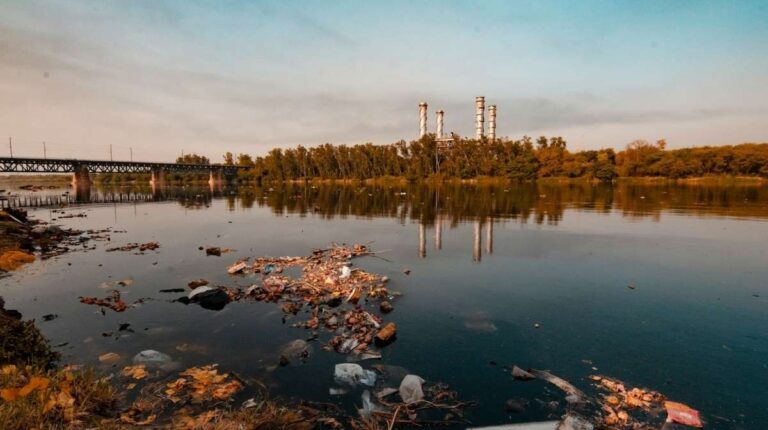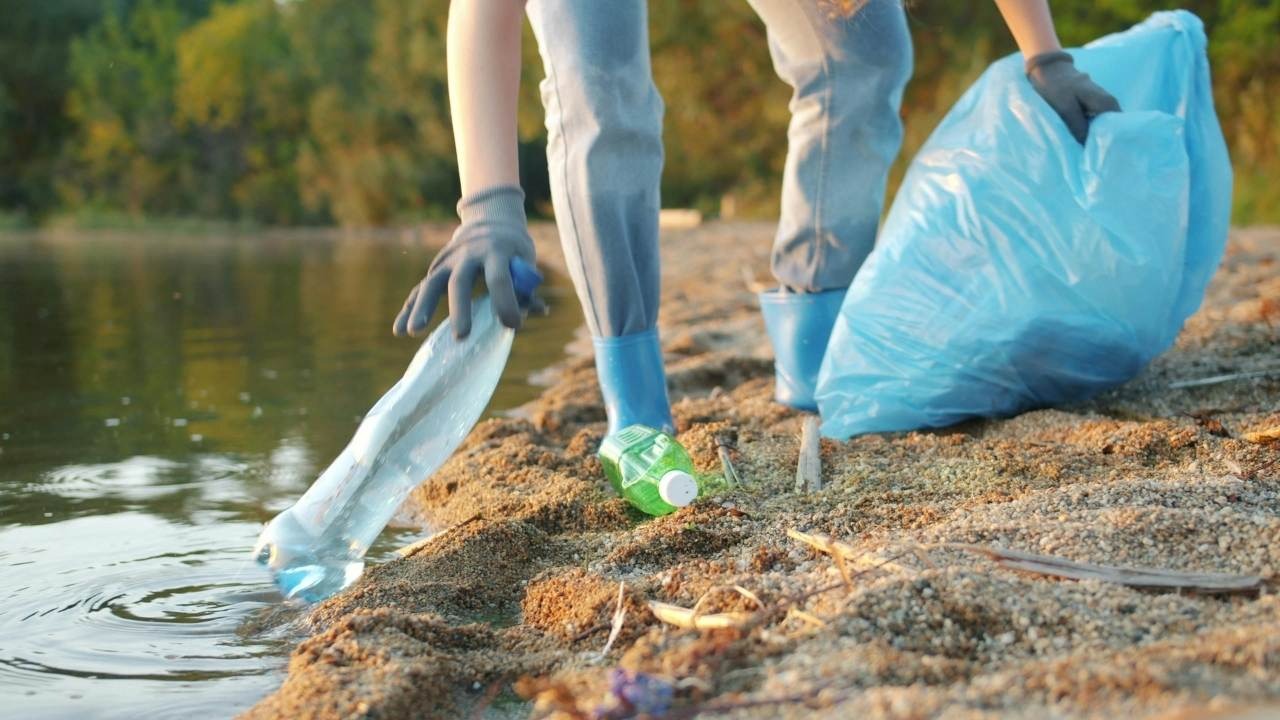
The dangers of plastic pollution now reach every ecosystem on Earth, from the deepest ocean trenches to the air above major cities. According to the United Nations Environment Programme, the equivalent of 2,000 garbage trucks full of plastic waste is dumped into the world’s oceans, rivers, and lakes every single day. The U.S. Environmental Protection Agency reports that more than 1,500 species across marine and terrestrial environments are known to ingest plastics, and research shows that plastic debris may take between 100 and 1,000 years to decompose depending on conditions. Microplastics have been found in human blood, lung tissue, placentas, and drinking water.
Table of Contents
This guide consolidates the most critical plastic pollution information into one resource: where the crisis stands in 2026, the reasons for plastic pollution’s explosive growth, the documented dangers to wildlife, ecosystems, and human health, and what is being done at the policy and individual level. For related coverage on how pollution connects to broader environmental systems, see our guide to solutions for reducing air pollution.
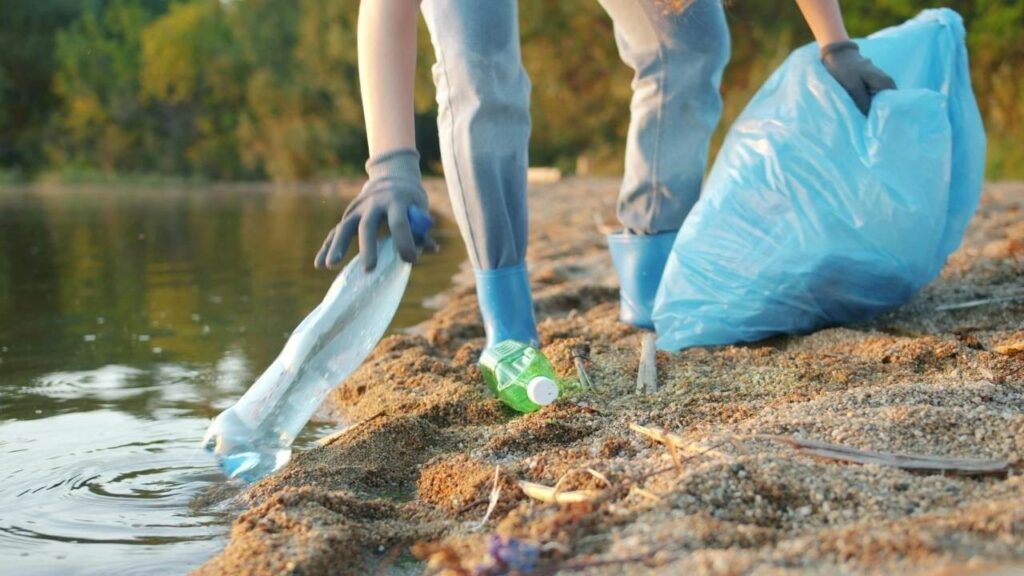
Essential Plastic Pollution Information: The Scale of the Crisis
Understanding the dangers of plastic pollution starts with grasping the scale.
Global plastic production has surged from 1.5 million tons in the 1950s to over 460 million metric tons per year today, according to the United Nations Environment Programme. National Geographic reports that half of all plastics ever manufactured have been produced in just the last 20 years, and single-use products (bags, bottles, wrappers, straws) account for roughly 40 percent of annual production.
Of all the plastic ever produced (an estimated 6.3 billion tonnes through 2018), approximately 9 percent has been recycled, 12 percent incinerated, and 79 percent accumulated in landfills or the natural environment, according to Britannica. The IUCN estimates that 19 to 23 million tonnes of plastic waste leak into aquatic ecosystems annually, polluting lakes, rivers, and seas.
Five massive accumulations of floating plastic debris, known as garbage patches, have formed in the world’s ocean gyres. The largest, the Great Pacific Garbage Patch, sits between California and Hawaii. But the crisis is not limited to the ocean surface. Microplastics (particles smaller than 5 millimeters) have been detected in Arctic sea ice, Antarctic snow, agricultural soil, tap water, bottled water, and the atmosphere above major cities.
This plastic pollution information is not theoretical. It is measured, documented, and worsening year over year.
Reasons for Plastic Pollution: Why the Problem Keeps Growing
The reasons for plastic pollution are structural, economic, and behavioral. No single cause explains the crisis, but five factors account for the bulk of it.
1. Cheap Production From Fossil Fuels
Plastic is derived from petroleum and natural gas. Because fossil fuel feedstocks are heavily subsidized in many countries, producing new plastic is consistently cheaper than recycling existing material. As Britannica notes, creating new plastic products directly from petrochemicals involves fewer processing steps and lower costs than using recycled feedstock. This economic structure removes the financial incentive to recycle.
2. Single-Use Product Design
National Geographic reports that single-use plastics (bags, wrappers, bottles, cups, straws) account for approximately 40 percent of all plastic produced each year. These products have a useful life measured in minutes to hours but persist in the environment for centuries. The IUCN confirms that single-use items are among the most common pollutants found in every ecosystem surveyed.
3. Inadequate Waste Management
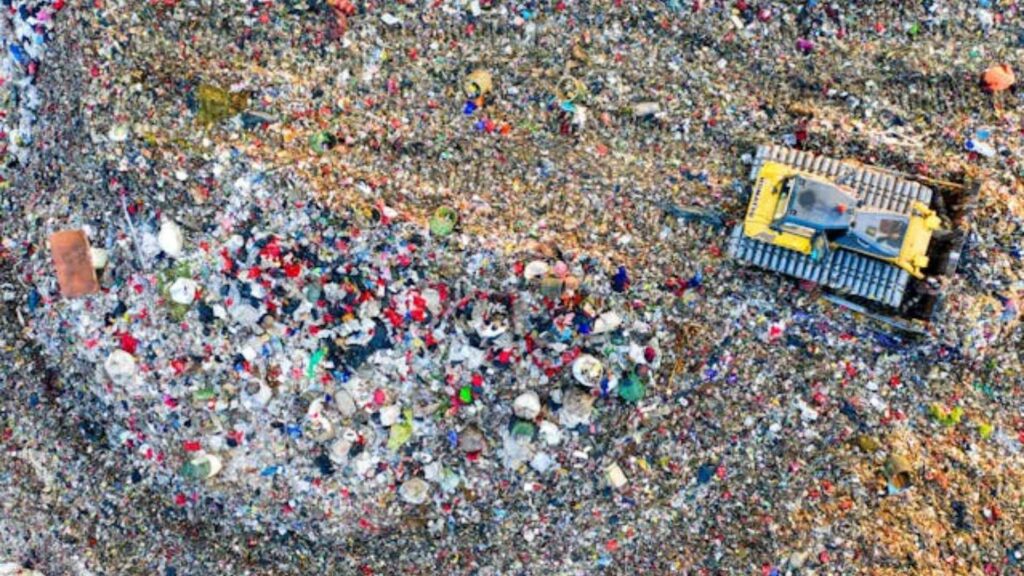
In many parts of the world, waste collection systems are inefficient or nonexistent. The UNEP estimates that roughly 19 to 23 million tonnes of plastic leak into aquatic ecosystems each year, primarily from land-based sources including urban runoff, littering, and poorly managed landfills. Even in developed countries, recycling rates for plastic remain below 10 percent globally, according to Britannica.
4. International Waste Dumping
For decades, wealthy nations exported plastic waste to developing countries for processing. Until 2018, the United States sent the majority of its plastic waste to China. After China banned plastic scrap imports, waste shipments shifted to Malaysia and Indonesia. In July 2025, Britannica reports, Malaysia banned all plastic waste shipments from the U.S., citing pollution from foreign dumping.
5. Product Design That Ignores End-of-Life
Many plastic products are designed to look attractive on shelves rather than for ease of recycling. Complex multi-material packaging (layers of different plastic types bonded together) is far more costly and difficult to separate and recycle than single-material alternatives. The IUCN argues that a fundamental shift toward designing plastics for end-of-life recovery is required to meaningfully reduce pollution.
Understanding these reasons for plastic pollution explains why the crisis has deepened despite decades of awareness campaigns. The system is structured to produce waste faster than any cleanup effort can remove it.
Dangers to Oceans and Marine Life
The most visible dangers of plastic pollution are in the ocean.
The U.S. EPA reports that plastic pollution puts marine species at higher risk of ingestion, suffocation, and entanglement. More than 1,500 species are known to ingest plastic. Marine mammals, sea turtles, seabirds, and fish mistake plastic fragments for food. Ingested plastic blocks digestive tracts, creates a false sense of fullness that leads to starvation, and leaches toxic chemicals into animal tissue.
The IUCN documents that wildlife such as birds, whales, fish, and turtles die from starvation as their stomachs fill with indigestible plastic. Studies estimate that 90 percent of seabirds now have plastic debris in their bodies.
Fishing gear (nets, lines, traps) accounts for roughly 10 percent of all ocean plastic pollution and is responsible for an estimated 640,000 tons of debris per year. Ghost nets (abandoned fishing gear) continue trapping and killing marine animals for years after being discarded.
Plastic debris also creates ocean dead zones. As plastic accumulates and breaks down, it alters water chemistry, reduces oxygen levels, and disrupts plankton growth at the base of the marine food chain. Our nature and wildlife section covers the cascading ecological effects across marine ecosystems. For a specific look at how food web disruption propagates, our coverage of what would happen if bees disappeared illustrates the same principle on land.
Dangers to Land, Soil, and Freshwater
Terrestrial plastic pollution is estimated to be four to 23 times higher than marine pollution, according to research cited by UNEP. Yet it receives far less attention.
Plastic in landfills leaches chemicals into surrounding soil and groundwater. Chlorinated plastics release harmful compounds that contaminate water sources and enter the food chain through agricultural irrigation. Microplastics in soil disrupt the organisms (earthworms, mites, larvae) that maintain soil fertility. A 2020 study published in Proceedings of the Royal Society found that terrestrial microplastic pollution has already led to measurable declines in below-surface species that maintain land fertility.
Freshwater systems are also heavily affected. Rivers act as conveyor belts for plastic pollution, carrying debris from inland areas to the ocean. Microplastic contamination has been detected in tap water systems worldwide, and a 2024 study found thousands of nanoplastic particles in commercially bottled drinking water.
Dangers to Human Health
The dangers of plastic pollution are no longer limited to wildlife. Humans are now directly exposed through food, water, air, and skin contact.
The table below summarizes the major chemical hazards associated with plastic products and waste, drawn from the U.S. EPA,IUCN, and peer-reviewed toxicology research.
| Chemical | Found in | Exposure pathway | Documented health effects |
| Bisphenol A (BPA) | Food containers, water bottles, can linings | Ingestion, skin contact | Endocrine disruption, reproductive harm, developmental effects in children |
| Phthalates | Flexible plastics, food packaging, cosmetics | Ingestion, inhalation, skin contact | Hormone disruption, reduced fertility, developmental delays |
| Dioxins | Plastic incineration, open burning | Inhalation, food chain | Cancer, immune suppression, reproductive toxicity |
| Polystyrene | Foam packaging, disposable cups | Ingestion (hot liquids leach chemicals) | Nervous system effects, potential carcinogen |
| Heavy metals (lead, cadmium, mercury) | PVC, electronic waste plastics, pigments | Ingestion, soil/water contamination | Kidney damage, neurological harm, developmental impairment |
| Microplastics / nanoplastics | Bottled water, seafood, air, soil | Ingestion, inhalation | Found in human blood, lungs, and placentas; long-term effects under study |
The EPA labels several chemicals used in plastic manufacturing as priority pollutants. Microplastics have now been detected in human blood, lung tissue, and placental tissue, raising urgent questions about long-term health consequences that research is still working to answer.
Vulnerable populations bear disproportionate risk. Workers in informal waste-picking sectors handle plastic without protective equipment. Communities near landfills and incineration sites face elevated exposure to dioxins and heavy metals. Children are especially susceptible to endocrine-disrupting chemicals found in common plastic products.
The Climate Connection
Plastic pollution and climate change reinforce each other.
The U.S. EPA reports that in 2019, plastic products were responsible for 3.4 percent of global greenhouse gas emissions across their full lifecycle, with 90 percent of those emissions coming from fossil fuel extraction and conversion into new plastic. The World Economic Forum projects that without intervention, the plastics industry could account for 20 percent of total oil consumption and up to 15 percent of global carbon emissions by 2050.
Plastic debris in the ocean also interferes with the ocean’s ability to absorb carbon dioxide, one of the planet’s most important carbon sinks. And as plastic breaks down in sunlight, it releases methane and ethylene, both greenhouse gases, further feeding the warming cycle. Our climate and global change coverage tracks the intersection of pollution and climate science.
What Is Being Done
International Policy
The United Nations is negotiating a global plastics treaty aimed at reducing production, eliminating harmful products, and establishing enforceable national plans. As of early 2026, negotiations have adjourned without consensus, but the UNEP continues to push for binding commitments. A 2019 amendment to the Basel Convention now regulates the international export of plastic waste, largely to prevent dumping from developed to developing nations.
National and Local Action
California passed legislation to ban all single-use plastic bags by 2026, according to National Geographic. Numerous countries have banned microbeads in cosmetics. Extended producer responsibility (EPR) laws in the European Union require manufacturers to fund the collection and recycling of their plastic packaging.
Individual Action
Personal choices compound across populations. Switching to reusable bottles, bags, and containers; choosing products with minimal packaging; supporting businesses that reduce plastic use; and voting for policies that hold producers accountable all contribute. For practical alternatives, our guide to eco-friendly replacements covers specific swaps. Our zero-waste morning routine guide shows how to reduce plastic consumption at the start of each day. For a full household assessment, our sustainability assessment and eco tools can help identify where your plastic footprint is highest.
What are the most serious dangers of plastic pollution?
The most immediate dangers are to marine wildlife (ingestion, entanglement, habitat destruction affecting 1,500+ species), human health (exposure to endocrine-disrupting chemicals like BPA and phthalates through food, water, and air), and climate (plastic lifecycle emissions account for 3.4 percent of global greenhouse gases). Microplastics found in human blood and lung tissue represent an emerging health concern whose long-term effects are still under investigation.
What are the main reasons for plastic pollution?
Five structural factors drive the crisis: fossil-fuel-subsidized production that makes new plastic cheaper than recycled material, single-use product design with lifespan measured in minutes, inadequate waste management systems in much of the world, international waste dumping from wealthy to developing nations, and product designs that prioritize shelf appeal over recyclability.
Where can I find reliable plastic pollution information?
The U.S. EPA, the United Nations Environment Programme, the IUCN, and National Geographic all publish regularly updated, primary-source plastic pollution information. For peer-reviewed research, PubMed Central (PMC) and Nature journals provide open-access studies on microplastic health effects and ecosystem impacts.
Can recycling solve the problem?
No. Less than 10 percent of all plastic produced globally is recycled, according toBritannica. Recycling addresses properly disposed plastic, while pollution comes from improperly disposed material. Reducing production of single-use plastics and redesigning products for end-of-life recovery are more effective strategies than recycling alone.
How does plastic pollution affect human health?
Humans are exposed to plastic chemicals through food (contaminated seafood, food packaging leaching), water (microplastics in tap and bottled water), air (airborne microplastic particles), and skin contact (cosmetics, clothing). Chemicals like BPA and phthalates are linked to endocrine disruption, reproductive harm, and developmental effects in children. Microplastics have been detected in human blood, lungs, and placentas.
What can one person do?
Reduce single-use plastic consumption (reusable bottles, bags, containers), choose products with minimal or recyclable packaging, support extended producer responsibility policies, and hold elected officials accountable on plastic regulation. Our pollution and waste section covers ongoing policy developments.
Sources
- U.S. Environmental Protection Agency. “Impacts of Plastic Pollution.” https://www.epa.gov/plastics/impacts-plastic-pollution
- United Nations Environment Programme. “Plastic Pollution.” https://www.unep.org/plastic-pollution
- International Union for Conservation of Nature. “Plastic Pollution.” https://iucn.org/resources/issues-brief/plastic-pollution
- National Geographic. “The World’s Plastic Pollution Crisis, Explained.” https://www.nationalgeographic.com/environment/article/plastic-pollution
- Britannica. “Plastic Pollution.” https://www.britannica.com/science/plastic-pollution
- United Nations Environment Programme. “Plastic Planet: How Tiny Plastic Particles Are Polluting Our Soil.” https://www.unep.org/news-and-stories/story/plastic-planet-how-tiny-plastic-particles-are-polluting-our-soil