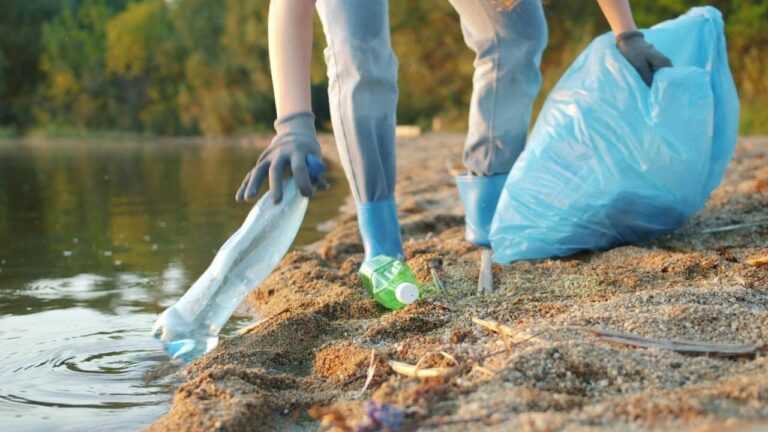
Reducing plastic use at home is one of the most impactful decisions any household can make to fight the growing global waste crisis. The world now generates roughly 400 million tonnes of plastic waste every year according to OECD data, and packaging alone accounts for nearly 40 percent of that total weight. From grocery bags and water bottles to shampoo containers and food wrappers, plastic has quietly taken over nearly every corner of our daily routines.
Table of Contents
The problem is not just environmental. A groundbreaking 2022 study published in the journal Environment International by researchers at Vrije Universiteit Amsterdam found microplastic particles in the blood of nearly 80 percent of healthy human volunteers tested, marking the first time plastic particles had ever been detected inside the human bloodstream. These findings have added a new level of urgency to understanding how to reduce plastic use at home for the sake of our health, not just the planet.
Leading environmental organizations including Greenpeace, the World Wildlife Fund, and the Ellen MacArthur Foundation have all published practical frameworks showing that meaningful change starts with individual households. The good news is that you do not need to overhaul your entire lifestyle overnight. This guide walks you through proven, room by room strategies for reducing plastic use at home that are simple, affordable, and genuinely effective.
Why Reducing Plastic Use at Home Has Become Essential
Before exploring solutions, it helps to understand the scale of the problem we are dealing with.
The typical family uses hundreds of plastic items every week, from food packaging and cleaning product bottles to disposable cutlery and trash bags. Most of these items get used once before heading straight to the landfill. Globally, only about 9 percent of plastic waste is successfully recycled according to the OECD’s Global Plastics Outlook report. The rest is either landfilled, incinerated, or leaked into the natural environment.
Plastic materials take anywhere from 20 to 500 years to break down. During that process, they fragment into microplastics that contaminate soil, drinking water, marine ecosystems, and even the air we breathe. An estimated 11 million tonnes of plastic enter the world’s oceans annually according to recent environmental studies, causing severe harm to marine wildlife and coastal communities.
When families commit to reducing plastic use at home, they directly contribute to slowing this contamination cycle at its source. Organizations like the World Wildlife Fund emphasize that household level changes do not stay isolated. They create a ripple effect that influences neighbors, local businesses, manufacturers, and eventually policy decisions at government levels.
Key Benefits of Going Plastic Free at Home
Environmental Impact
Every single piece of plastic ever manufactured still exists in some form today. Microplastics have been found in drinking water, agricultural soil, Arctic ice, and deep ocean trenches. A 2024 study published in Scientific Reports detected microplastics in nearly 89 percent of human blood samples tested, with polystyrene and polypropylene being the most common types identified. When households take action by reducing plastic use at home, they help break the cycle that puts these particles into our environment and bodies.
Health Benefits
Many common plastic products contain harmful chemicals such as BPA (bisphenol A) and phthalates that can leach into food and beverages, especially when exposed to heat. By learning how to reduce plastic use at home, you minimize your family’s daily contact with these substances. Switching to glass, stainless steel, ceramic, or bamboo alternatives is one of the simplest ways to lower chemical exposure in your kitchen and bathroom.
Financial Savings
Contrary to popular belief, going plastic free often saves money over time. Reusable products like cloth shopping bags, stainless steel water bottles, glass food containers, and metal straws eliminate the need to repeatedly purchase disposable items. Many families report saving several hundred dollars annually after transitioning to reusable alternatives. The upfront cost of sustainable products is typically recovered within just a few months of regular use.
How to Start: Conduct a Home Plastic Audit
Before making any changes, walk through every room in your home and take note of where plastic dominates. Open your kitchen drawers, bathroom cabinets, laundry shelves, and storage areas. Write down the plastic items you see and how frequently you use them.
This simple audit gives you a clear picture of your biggest plastic consumption areas and helps you prioritize which swaps will deliver the most impact. Focus on eliminating the items you use and discard most frequently first, as these represent the largest share of your household plastic waste.
Tracking your waste before and after implementing changes is also a powerful motivational tool. Simply counting the number of plastic items in your weekly trash reveals patterns, highlights progress, and keeps your family accountable over time.
Room by Room Strategies for Reducing Plastic Use at Home
Kitchen: Where the Biggest Impact Happens
The kitchen is the single largest source of household plastic waste. Food packaging, plastic wrap, disposable containers, and single-use bags accumulate quickly without conscious effort. Rethinking your kitchen habits is the fastest way to start reducing plastic use at home.
Begin by changing your shopping routine. Bring reusable produce bags and sturdy shopping totes every time you visit the grocery store. This one habit alone eliminates dozens of plastic bags each month. Many supermarkets now offer bulk sections where you can fill your own containers with grains, nuts, spices, pasta, and other dry staples.
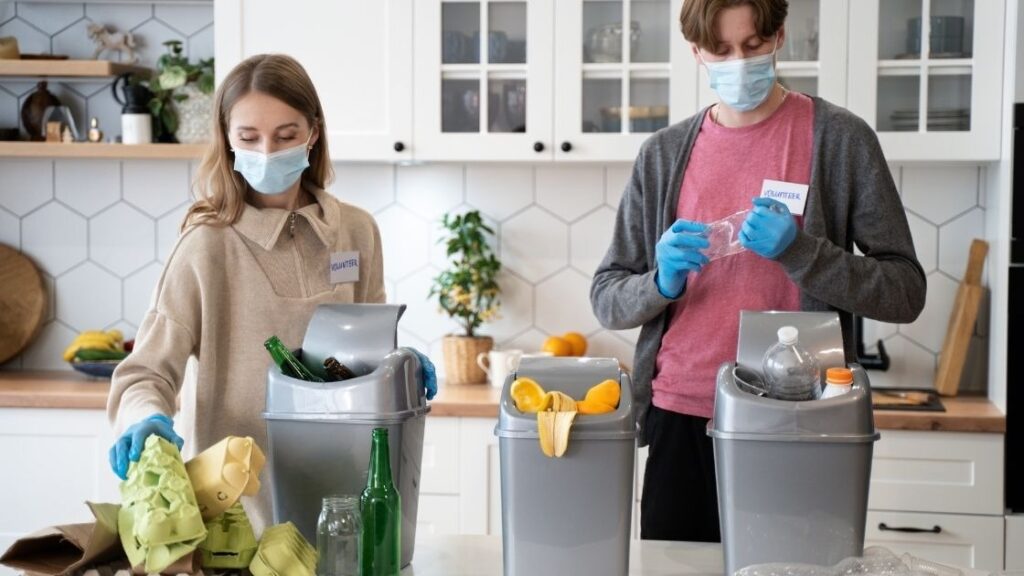
High Impact Kitchen Swaps
Replace plastic cling wrap with beeswax wraps or silicone stretch lids that last for years. Switch from plastic food storage containers to glass or stainless steel options with secure lids. Choose bar dish soap over liquid soap sold in plastic bottles. Buy beverages in glass bottles or aluminum cans, which recycle far more efficiently than plastic. Use washable cloth kitchen towels instead of paper towels wrapped in plastic packaging. Store leftovers in glass jars rather than disposable plastic bags. Shop at local farmers markets using your own reusable bags to cut packaging waste while supporting your community.
Bathroom: The Overlooked Plastic Hotspot
Bathrooms are often filled with plastic waste that goes completely unnoticed. Shampoo bottles, conditioner tubes, body wash containers, toothbrushes, razors, and lotion packaging all contribute to a steady stream of plastic heading for the trash every few weeks.
The personal care industry has responded to growing consumer demand with effective plastic free alternatives that perform just as well as their conventional counterparts. Shampoo bars and conditioner bars eliminate bottle waste entirely, and a single bar typically replaces two to three plastic bottles worth of product.
Easy Bathroom Swaps
Switch to a bamboo toothbrush. Since dentists recommend replacing your toothbrush every three months, a single person uses roughly 300 plastic toothbrushes over a lifetime. Bamboo handles biodegrade naturally, leaving only the small bristle head for disposal. Other effective bathroom swaps include refillable soap dispensers, menstrual cups or reusable cotton pads, safety razors with replaceable metal blades, and toothpaste tablets sold in glass jars instead of plastic tubes.
Laundry Room: A Forgotten Opportunity
Reducing plastic use at home extends into how you wash your clothes. Traditional laundry detergent comes in bulky plastic jugs, and fabric softener sheets often contain synthetic materials that do not break down in the environment.
Laundry detergent sheets or powder packaged in recyclable cardboard clean clothes just as effectively without generating plastic waste. Wool dryer balls serve as a long lasting replacement for single use dryer sheets and can handle thousands of loads before needing replacement. These natural alternatives are also gentler on sensitive skin and free from the harsh chemicals commonly found in conventional laundry products.
What Leading Green Organizations Recommend
Organizations like Greenpeace, the Plastic Pollution Coalition, and the Ellen MacArthur Foundation have published detailed action frameworks for households looking to go plastic free. Their core recommendations consistently center around five guiding principles, often called the 5 Rs.
Refuse unnecessary plastic items before they ever enter your home. Reduce the overall volume of plastic products you rely on each day. Reuse containers, bags, and packaging as many times as possible before discarding them. Recycle responsibly by learning and following your local recycling guidelines carefully. Rot organic waste through composting instead of sealing it inside plastic trash bags.
These five principles form the backbone of any serious effort toward reducing plastic use at home. Environmental experts recommend adopting them gradually rather than trying to change everything at once, as sustainable progress always outlasts drastic overnight changes.
Overcoming Common Challenges
Budget Constraints and Product Availability
One of the biggest hurdles people face when learning how to reduce plastic use at home is finding affordable and accessible alternatives. Not every local store carries eco friendly options, and sustainable products can sometimes carry a higher upfront price tag.
The most practical approach is making gradual transitions. Each time a plastic product runs out, replace it with a sustainable alternative rather than buying everything new at once. Thrift stores and online marketplaces offer secondhand glass containers and reusable items at a fraction of retail prices. Many communities also have zero waste shops where buying in bulk actually costs less than purchasing individually packaged products from conventional stores.
Getting Your Family on Board
Convincing every family member to change daily habits requires patience and a positive approach. Children often respond well when they understand why these changes matter. Explaining how reducing plastic use at home protects ocean animals and wildlife can be a powerful motivator for younger family members.
The most effective long term strategy is to make sustainable choices the convenient option. Keep reusable bags by the front door. Place a water filter pitcher somewhere easy to reach. Store reusable containers in a more accessible spot than disposable ones. When the eco friendly choice is also the easiest choice, resistance fades naturally.
Breaking the Convenience Habit
Plastic remains popular because it is lightweight, cheap, and undeniably convenient. Breaking the habit requires conscious, repeated effort over several weeks. Green organizations suggest setting small weekly goals rather than attempting a complete lifestyle overhaul in a single day. Gradual, consistent progress is always more sustainable than drastic changes that lead to burnout and frustration.
Tips for Long Term Success
Staying consistent is what transforms temporary swaps into permanent lifestyle changes. Keep reusable bags in your car so you never forget them when shopping. Set phone reminders to carry your water bottle. Follow social media accounts and online communities dedicated to sustainable living for daily inspiration and fresh ideas.
Celebrate your small wins along the way. Every reusable bag used, every plastic bottle avoided, and every bamboo toothbrush chosen over a plastic one adds up over weeks, months, and years. Track your progress monthly to see how far you have come and stay motivated to continue.
Many families discover that reducing plastic use at home becomes completely second nature within just a few months. What initially requires conscious effort gradually transforms into an automatic habit that feels entirely normal.
Conclusion
Reducing plastic use at home is not about achieving perfection. It is about making consistent, thoughtful choices that add up to meaningful change over time. From conducting a simple home plastic audit to transforming your kitchen, bathroom, and laundry room with practical swaps, every step you take moves your household closer to a cleaner and healthier way of living.
When multiplied across millions of households, these everyday decisions have the power to significantly cut plastic pollution, protect marine ecosystems, and create a safer environment for future generations. Organizations like Greenpeace, the World Wildlife Fund, and the Plastic Pollution Coalition continue to offer valuable resources and support for families at every stage of their zero waste journey.
Start with one room, one swap, or one new habit this week. Build from there. Progress matters far more than perfection, and every effort you make toward reducing plastic use at home genuinely counts toward building a sustainable future for our planet.
What is the easiest first step for reducing plastic use at home?
The easiest starting point is replacing single use plastic bags with reusable cloth or jute tote bags. This requires no lifestyle change beyond remembering to bring your bags when shopping, and it immediately eliminates dozens of plastic bags from your household waste each month.
Does going plastic free actually save money?
Yes, in most cases it does. While some reusable products have a higher upfront cost, they eliminate the need for repeated purchases of disposable items. Families commonly report saving several hundred dollars per year after switching to reusable water bottles, cloth bags, glass containers, and bar soaps.
Are plastic free alternatives as effective as regular products?
Absolutely. Shampoo bars, beeswax wraps, stainless steel containers, and bamboo toothbrushes are designed to perform at the same level or better than their plastic counterparts. Many sustainable products also last significantly longer, providing better value over time.
How long does it take to see results from reducing household plastic?
Most families notice a visible reduction in their weekly trash within the first two to four weeks of making consistent swaps. Within three to six months, reducing plastic use at home typically becomes second nature and the difference in waste volume is dramatic.
Can one household really make a difference in the plastic crisis?
Yes. According to environmental organizations like the Ellen MacArthur Foundation, individual household changes create a ripple effect that influences community behavior, business practices, and policy decisions. When millions of households adopt even small changes, the collective impact on global plastic pollution is enormous.
What are microplastics and why should I be concerned?
Microplastics are tiny plastic fragments smaller than 5 millimeters that result from the breakdown of larger plastic items. A 2022 study by Vrije Universiteit Amsterdam found microplastic particles in the blood of nearly 80 percent of healthy volunteers tested. Researchers are still studying the long term health effects, but reducing plastic exposure at home is a practical precautionary step.