
Implementing effective pollution prevention methods is now a crucial priority for industries aiming to balance production with environmental protection. As global awareness of climate challenges grows, businesses are turning toward sustainable manufacturing, industrial waste management, and emission control systems to reduce their ecological footprint. These strategies focus on minimizing waste generation, conserving energy, and promoting cleaner production practices.
In this article, we’ll explore the most impactful approaches industries can adopt to reduce emissions, cut waste, and improve overall efficiency while supporting a greener, more sustainable future for both the economy and the planet.
Understanding Pollution Prevention Methods
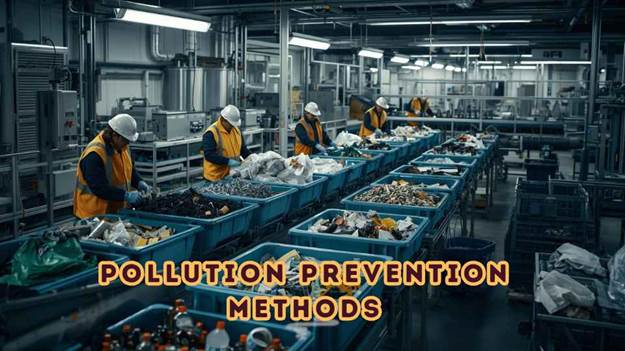
Pollution prevention methods are proactive strategies designed to minimize or eliminate waste and emissions at their source rather than treating them afterward. Unlike traditional control measures that deal with pollution after it has occurred, prevention focuses on sustainable production processes that reduce the need for costly cleanup. This approach emerged during the late 20th century as industries began to recognize the importance of environmental responsibility alongside economic growth. Over time, pollution prevention evolved into a vital part of corporate sustainability and regulatory compliance programs worldwide.
These methods not only safeguard the environment but also improve industrial efficiency and brand reputation. By implementing innovative technologies, businesses can conserve resources, cut operating costs, and create healthier workplaces.
Importance of Pollution Prevention in Industrial Growth
The rapid expansion of industrial sectors has contributed to increased pollution levels across the globe. Preventing pollution at the source helps industries maintain long-term operational sustainability while reducing damage to air, water, and soil quality.
Key reasons for adopting prevention strategies include:
- Cost Savings: Reducing waste minimizes disposal expenses and conserves materials.
- Regulatory Compliance: Helps industries meet environmental standards more efficiently.
- Enhanced Reputation: Companies practicing sustainability often gain consumer trust.
- Worker Safety: Cleaner workplaces mean fewer health risks and higher productivity.
Pollution prevention also aligns with global sustainability goals, such as the United Nations’ agenda for clean energy and responsible production.
Types of Industrial Pollution Prevention Methods
1. Cleaner Production Techniques
Cleaner production focuses on redesigning processes to minimize waste and improve efficiency. It involves:
- Using renewable energy sources like solar or wind
- Optimizing water and raw material use
- Upgrading machinery for higher energy efficiency
- Monitoring emissions to ensure minimal leakage
Example: A textile factory switching to waterless dyeing technology can cut water consumption by up to 90%.
2. Sustainable Manufacturing Practices
Sustainable manufacturing combines eco-efficiency with innovation. This involves creating products that are durable, easy to repair, and fully recyclable.
Approaches include:
- Implementing energy-efficient lighting and systems
- Adopting lean manufacturing to reduce material waste
- Using eco-friendly packaging and biodegradable materials
Such methods reduce environmental harm while enhancing product value and consumer appeal.
3. Industrial Waste Management
Effective waste management plays a major role in pollution prevention. Instead of simply disposing of waste, industries can reuse or repurpose materials.
Popular waste reduction methods:
- Recycling metal scraps and plastic components
- Composting organic waste in food industries
- Utilizing by-products for secondary production processes
Example: Cement industries often use fly ash from power plants as a raw material, reducing landfill dependency.
4. Emission Control Systems
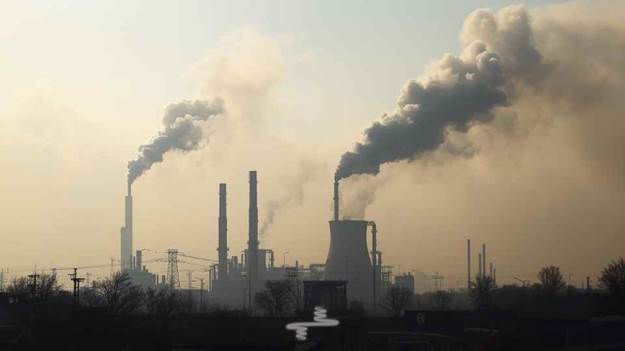
Industries emit gases and particulates that harm air quality. Emission control systems are designed to filter, capture, or neutralize these pollutants before release.
Common technologies include:
- Electrostatic precipitators for removing fine particles
- Catalytic converters that reduce toxic gas emissions
- Scrubbers to neutralize acidic gases from chimneys
Properly maintained control systems help industries comply with strict air quality standards and improve environmental safety.
Benefits of Pollution Prevention Methods
Implementing pollution prevention methods offers wide-ranging benefits for both industries and the environment:
- Reduced Operating Costs: Less waste means lower disposal fees and material expenses.
- Resource Efficiency: Optimizing raw material use conserves natural resources.
- Improved Compliance: Industries easily meet environmental regulations, avoiding fines.
- Enhanced Market Value: Consumers prefer eco-conscious brands.
- Cleaner Work Environments: Healthier conditions improve workforce morale and retention.
By focusing on prevention rather than correction, industries build long-term resilience and competitiveness in global markets.
Challenges in Implementing Pollution Prevention
While the advantages are clear, industries often face several challenges when adopting prevention strategies.
Common challenges include:
- High Initial Costs: Upgrading to cleaner technologies requires significant investment.
- Lack of Expertise: Small and medium enterprises may lack skilled environmental engineers.
- Resistance to Change: Traditional businesses may hesitate to alter proven processes.
- Regulatory Uncertainty: Frequent policy changes can complicate compliance efforts.
To overcome these barriers, industries can seek government incentives, collaborate with environmental consultants, and invest in staff training programs.
Successful Industrial Examples
Several companies worldwide have successfully implemented pollution prevention initiatives:
- Toyota: Adopted lean manufacturing and waste minimization, reducing emissions significantly.
- Unilever: Uses renewable energy in production and reduces plastic packaging waste.
- General Electric (GE): Invested in energy-efficient technologies that cut carbon output by over 30%.
These success stories show how innovative thinking can turn sustainability into a profitable advantage.
The Future of Industrial Pollution Prevention
The future of pollution prevention methods lies in technological innovation, circular economy practices, and stronger environmental policies. Industries are increasingly integrating artificial intelligence, IoT sensors, and data analytics to monitor and optimize energy use. The shift toward zero-waste production and carbon neutrality will define the next phase of industrial progress.
Sustainability is no longer optional it’s a necessity. By embracing prevention-based strategies, industries can protect the planet while ensuring their own long-term success. A cleaner, more responsible industrial future depends on the choices made today.
Conclusion
Incorporating pollution prevention methods into industrial operations is essential for achieving long-term sustainability and environmental protection. By improving industrial waste management, adopting sustainable manufacturing, and upgrading emission control systems, businesses can reduce harmful impacts while boosting efficiency. These proactive steps not only conserve natural resources but also enhance brand trust and compliance with global standards. Moving forward, industries should continue to innovate, adopt cleaner technologies, and stay informed about emerging environmental trends to ensure a cleaner and more resilient future for generations to come.