
Plastic pollution and health are becoming increasingly concerning as plastics silently infiltrate our daily lives. From packaging to household items, microplastics and chemical additives are finding their way into the food we eat, the water we drink, and even the air we breathe.
This article explores the hidden impact of environmental toxins found in everyday plastics and how they may affect our overall well-being. We will delve into the health risks linked to long-term exposure, the ways plastics interact with the human body, and practical steps to reduce exposure. By understanding the connection between plastic waste and personal health, readers can make informed choices to protect themselves and the environment, highlighting the urgent need for safer alternatives.
Understanding Plastic Pollution and Health
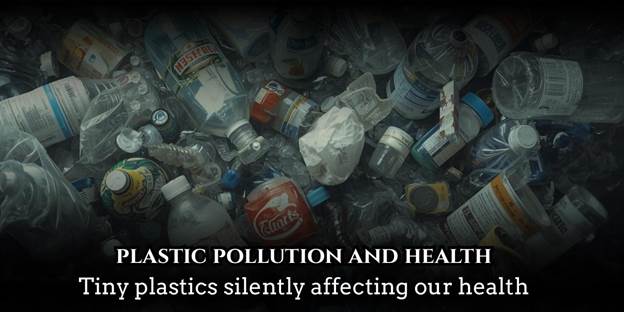
Plastic pollution and health are closely linked, affecting our bodies in ways many people are unaware of. Plastic waste has emerged as one of the most critical environmental challenges of the modern era.Over the decades, plastics have revolutionized packaging, transportation, and consumer goods. However, their durability and widespread use have resulted in microplastics contaminating oceans, soil, and even the air we breathe. Research increasingly shows that these tiny particles can enter our bodies through food, water, and inhalation, posing potential risks to overall well-being. Understanding this relationship is essential to protecting both human health and the planet.
What Are Microplastics?
Microplastics are small plastic fragments less than five millimeters in size. They originate from larger plastic debris breaking down or from products such as cosmetics, synthetic clothing, and cleaning agents. These particles are difficult to detect and remove, making them a persistent source of chemical exposure.
How Microplastics Enter the Body
- Consumption of Contaminated Food: Seafood, particularly shellfish, often contains microplastics
- Drinking Water: Both bottled and tap water may contain trace amounts of plastic particles
- Inhalation: Tiny airborne plastics from industrial areas or household dust can enter the respiratory system
Health Risks Linked to Everyday Plastics
plastic pollution and health contain additives such as phthalates, BPA, and flame retardants. Long-term exposure to these chemicals can disrupt hormonal balance and increase the risk of chronic illnesses. Scientists are studying links between plastic exposure and:
- Endocrine disorders
- Reproductive health issues
- Immune system dysfunction
- Developmental problems in children
Chronic Exposure Effects
Regular contact with plastics can lead to subtle but cumulative health effects. For example, ingesting microplastics through seafood may introduce toxins directly into the digestive system. Over time, this can affect metabolism, gut health, and even brain function.
Vulnerable Populations
- Children and infants are more sensitive to chemical exposure
- Pregnant women may pass toxins to the fetus
- Workers in plastic manufacturing face higher risk due to prolonged exposure
The Environmental Connection in plastic pollution and health
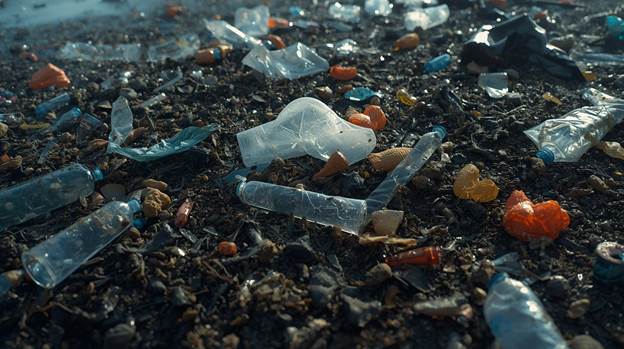
Plastic pollution and health are also intertwined with broader environmental impacts. Polluted water sources, contaminated soil, and the accumulation of plastics in oceans can indirectly affect human health.
Examples of Environmental Impact
- Plastic debris in rivers affecting drinking water quality
- Accumulation in oceans harming marine life and food chains
- Landfills releasing toxic leachates into groundwater
These environmental consequences reinforce the need for sustainable alternatives and better waste management practices.
Challenges in Addressing Plastic Pollution and health
Tackling the effects of plastic pollution on health is not simple. Several factors make this problem complex:
- Widespread Use: Plastics are in almost every product we use
- Durability: Plastics take hundreds of years to decompose
- Lack of Awareness: Many people are unaware of health risks linked to everyday plastics
- Inefficient Recycling: Only a small percentage of plastics are properly recycled, increasing exposure
Regulatory Challenges
Plastic Pollution and health Policies and regulations vary across countries. While some regions have banned single-use plastics or certain additives, enforcement remains inconsistent. Public education and community awareness programs are critical to bridging this gap.
Benefits of Reducing Plastic Exposure
While plastics are convenient, minimizing exposure can lead to tangible health benefits:
- Reduced Chemical Intake: Fewer toxins entering the body
- Better Gut Health: Less microplastic ingestion improves digestive function
- Hormonal Balance: Reduced exposure to endocrine-disrupting chemicals
- Environmental Preservation: Cleaner surroundings and healthier ecosystems
Practical Steps to Minimize Risks
Everyone can take action to limit exposure to plastics in daily life:
- Use glass or stainless steel containers instead of plastic bottles
- Avoid microwaving food in plastic containers
- Choose fresh or unpackaged foods when possible
- Support products labeled as BPA-free or phthalate-free
- Participate in local clean-up drives to reduce environmental toxins
These small lifestyle changes can have a significant impact on long-term health while contributing to sustainable living.
Conclusion
Plastic pollution and health remain pressing concerns as everyday plastics quietly affect our well-being. From microplastics in food and water to chemical additives in household items, exposure can impact hormonal balance, digestion, and long-term health. Understanding these risks highlights the importance of making conscious choices, reducing plastic use, and supporting sustainable alternatives. By staying informed and adopting safer practices, we can protect both our health and the environment. Explore further ways to minimize exposure and contribute to a cleaner, healthier future for yourself and the planet.
2 Comments
Add Yours →[…] in the early 20th century, these materials have revolutionized industries worldwide. However, the Plastic pollution and health were not fully understood until recent decades when scientists began discovering their hidden […]
[…] impact of plastic pollution and health manifests quickly in exposed populations. Short-term effects […]