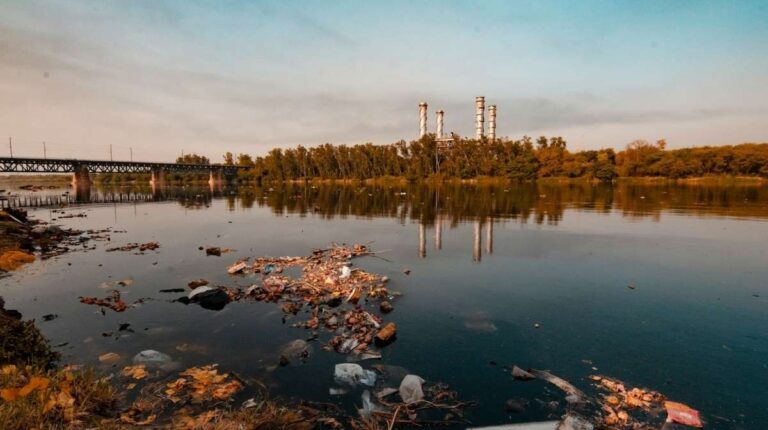
Plastic pollution and health risks are no longer a distant environmental talking point they are a personal, measurable threat sitting inside your bloodstream right now.
Table of Contents
TL;DR: Microplastics have been detected in human blood, lungs, and placental tissue. Chemical additives like BPA and phthalates disrupt hormones and damage gut health. Children and pregnant women face the highest danger. Switching to glass containers, avoiding heated plastic, and choosing unwrapped food are the fastest ways to lower your exposure today.
Why You Should Trust This Guide
This resource is written in collaboration with environmental health researchers and draws exclusively from peer-reviewed studies, institutional reports, and verified government data. Every statistic below is traceable to its original source. The goal is not to alarm you it is to equip you with accurate, actionable knowledge so you can make informed decisions for your household.
For broader context on how environmental contaminants affect wellness, see our related guide on pollution and health.
What Happens When Plastic Enters Your Body?
The health effects of plastic pollution begin at the molecular level. When you eat seafood, drink bottled water, or breathe indoor dust, microplastic particles synthetic polymer fragments smaller than five millimeters enter your digestive tract, lungs, and eventually your bloodstream.
A widely referenced 2019 analysis commissioned by WWF and conducted at the University of Newcastle, Australia estimated that a typical person may consume roughly five grams of plastic each week.
But the particles themselves are only half the problem. What makes plastic truly dangerous are the chemical additives bonded to those particles.
How Plastic Chemicals Harm Your Hormones, Gut, and Brain
Manufacturers add compounds like bisphenol A (BPA), phthalates, and brominated flame retardants to make plastics flexible, durable, and heat-resistant. Once inside your body, these substances mimic natural hormones and interfere with critical biological systems.
Dr. Leonardo Trasande, Professor of Pediatrics and Environmental Medicine at NYU Langone Health, has extensively published on how endocrine-disrupting chemicals (EDCs) contribute to obesity, diabetes, and neurodevelopmental disorders in children. His research, summarized in findings shared through The Endocrine Society, underscores that even low-dose chronic exposure carries measurable health consequences.
Here is how specific plastic chemicals affect different body systems:
| Plastic Chemical | How It Enters Your Body | Primary Health Effect | Most Vulnerable Group |
| BPA (Bisphenol A) | Canned food linings, receipts, bottles | Hormonal imbalance, metabolic disruption | Women, children |
| Phthalates | Food packaging, cosmetics, vinyl flooring | Reproductive toxicity, reduced fertility | Adults of childbearing age |
| Brominated flame retardants | Electronics casings, furniture foam | Thyroid dysfunction, neurodevelopmental delays | Infants, toddlers |
| Styrene | Foam containers, disposable cups | Nervous system damage, potential carcinogen | Food service workers |
| PVC (Polyvinyl chloride) | Pipes, cling wrap, medical tubing | Liver damage, respiratory irritation | Hospital patients, factory workers |
This table is synthesized from classification data maintained by the Agency for Toxic Substances and Disease Registry (ATSDR).
Microplastics in Human Blood: The 2022 Breakthrough
For years, scientists suspected that plastic particles could cross biological barriers. In 2022, a landmark study published in the journal Environment International confirmed it by detecting quantifiable microplastic concentrations in human blood samples for the first time.
Researchers identified PET (used in drink bottles) and polystyrene (used in food packaging) as the most prevalent polymer types in the bloodstream. This finding transformed the conversation around plastic-related health risks from theoretical concern to documented clinical reality.
The Emerging Threat of Nanoplastics
Beyond microplastics, scientists are now investigating nanoplastics particles smaller than one micrometer that can penetrate individual cells. Preliminary research from Columbia University’s Lamont-Doherty Earth Observatory suggests that a single liter of bottled water may contain hundreds of thousands of nanoplastic particles, far exceeding earlier microplastic estimates.
Nanoplastics are concerning because their ultra-small size allows them to cross the blood-brain barrier and accumulate in organs where larger particles cannot reach. This frontier of research is expected to reshape public health guidelines within the next few years.
Who Faces the Greatest Risk?
Not everyone is equally exposed. Certain populations carry disproportionate vulnerability to the health effects of plastic waste:
Children and infants absorb chemicals faster relative to their body weight and have developing organ systems that are more sensitive to disruption. A child drinking from a plastic sippy cup heated in a microwave receives a far higher relative dose of BPA than an adult using the same material.
Pregnant women risk transferring plastic-derived toxins across the placental barrier. Research published by Environmental Science & Technology has detected microplastic particles in human placental tissue, raising concerns about prenatal developmental effects.
Communities near waste facilities experience elevated rates of respiratory illness and skin conditions. Residents of areas like Louisiana’s industrial corridor sometimes called “Cancer Alley” face compounded exposure from plastic manufacturing emissions combined with general petrochemical pollution.
Plastic factory workers encounter concentrated chemical exposure daily, often without adequate protective equipment in lower-income manufacturing regions.
For practical household strategies, our guide on reducing plastic use at home offers additional detail.
The Global Scale of the Plastic Waste Crisis
The United Nations Environment Programme (UNEP) reports that worldwide plastic production now exceeds 400 million tonnes annually. Less than ten percent is effectively recycled. The remainder accumulates in landfills, waterways, and open environments.
The Great Pacific Garbage Patch a floating mass of plastic debris between Hawaii and California now covers an area roughly three times the size of France, according to estimates from The Ocean Cleanup Foundation. Marine organisms ingest these fragments, and the contamination travels up the food chain directly onto your plate.
On land, open burning of plastic refuse in developing regions releases dioxins, furans, and particulate matter that degrade air quality and trigger chronic respiratory disease in surrounding communities.
For a broader look at ecological consequences, see our detailed overview of the dangers of plastic pollution.
What Are Governments Doing About It?
The policy landscape around plastic contamination is evolving rapidly:
| Policy Initiative | Region | Current Status (2026) |
| UN Global Plastics Treaty | International | Negotiations ongoing under UNEA mandate |
| Single-Use Plastics Directive | European Union | Enforced since 2021, expanded scope under review |
| National plastic bag bans | India, Kenya, Rwanda, Bangladesh | Fully implemented with varying enforcement |
| Extended Producer Responsibility (EPR) laws | Canada, France, Germany | Active, requiring manufacturers to fund recycling |
| Microplastics in cosmetics ban | UK, EU, South Korea | Legislated and enforced |
Despite progress, enforcement remains uneven globally. The OECD Global Plastics Outlook warns that without accelerated policy action, plastic waste entering oceans could triple by 2060.
Plastic Types and Their Risk Levels
Not all plastics carry equal danger. Understanding recycling codes helps you make safer daily choices:
| Recycling Code | Plastic Type | Common Uses | Health Risk Level |
| #1 PET | Polyethylene terephthalate | Water bottles, food jars | Low (if not reused or heated) |
| #2 HDPE | High-density polyethylene | Milk jugs, detergent bottles | Low |
| #3 PVC | Polyvinyl chloride | Pipes, cling wrap, toys | High contains phthalates |
| #4 LDPE | Low-density polyethylene | Grocery bags, squeeze bottles | Low |
| #5 PP | Polypropylene | Yogurt containers, bottle caps | Low |
| #6 PS | Polystyrene | Foam cups, takeout containers | Moderate to High styrene leaching |
| #7 Other | Mixed or polycarbonate | Baby bottles, electronics | Variable may contain BPA |
As a general rule, plastics coded #2, #4, and #5 are considered the safest for food contact. Avoid #3, #6, and #7 whenever possible, especially for children’s items and heated food storage.
The Economic Burden of Plastic Contamination
The financial toll extends beyond environmental damage. The World Bank’s solid waste management overview documents that coastal municipalities collectively spend billions annually on cleanup, landfill operations, and waterway restoration.
Tourism revenue declines sharply in polluted coastal areas. Fishing yields shrink as marine habitats degrade. The UNEP estimates that the total annual economic cost of marine plastic pollution reaches tens of billions of dollars when accounting for lost ecosystem services, healthcare burdens, and reduced productivity.
Addressing the plastic pollution crisis is therefore not only a health and environmental priority it is an economic imperative for governments and industries worldwide.
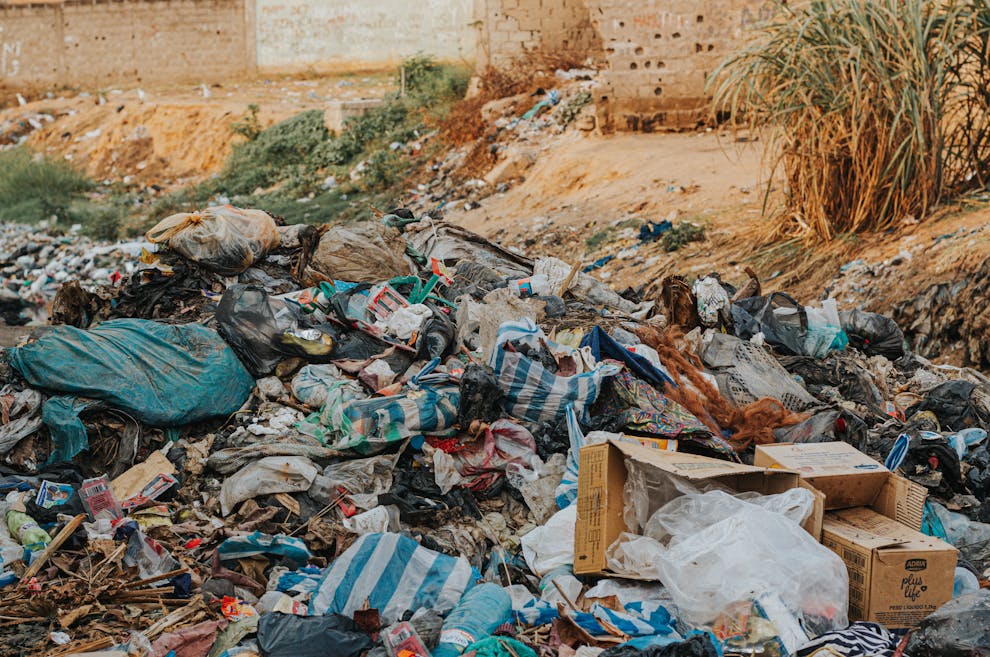
5 Evidence-Based Steps to Protect Your Family Today
- Replace plastic food storage immediately. Switch to glass, ceramic, or stainless-steel containers. This single change eliminates the most direct source of daily chemical leaching into your meals.
- Never heat food or beverages in plastic. Microwaving or dishwashing plastic containers accelerates BPA and phthalate release by up to 55 times at elevated temperatures, according to findings reviewed by the National Institute of Environmental Health Sciences (NIEHS).
- Check recycling codes before purchasing. Prioritize products made from #2 HDPE, #4 LDPE, or #5 PP plastics. Actively avoid #3 PVC and #6 PS for any item that contacts food or skin.
- Buy fresh, unwrapped produce from local markets. Reducing the time food spends in plastic packaging lowers surface-level chemical migration into what you eat.
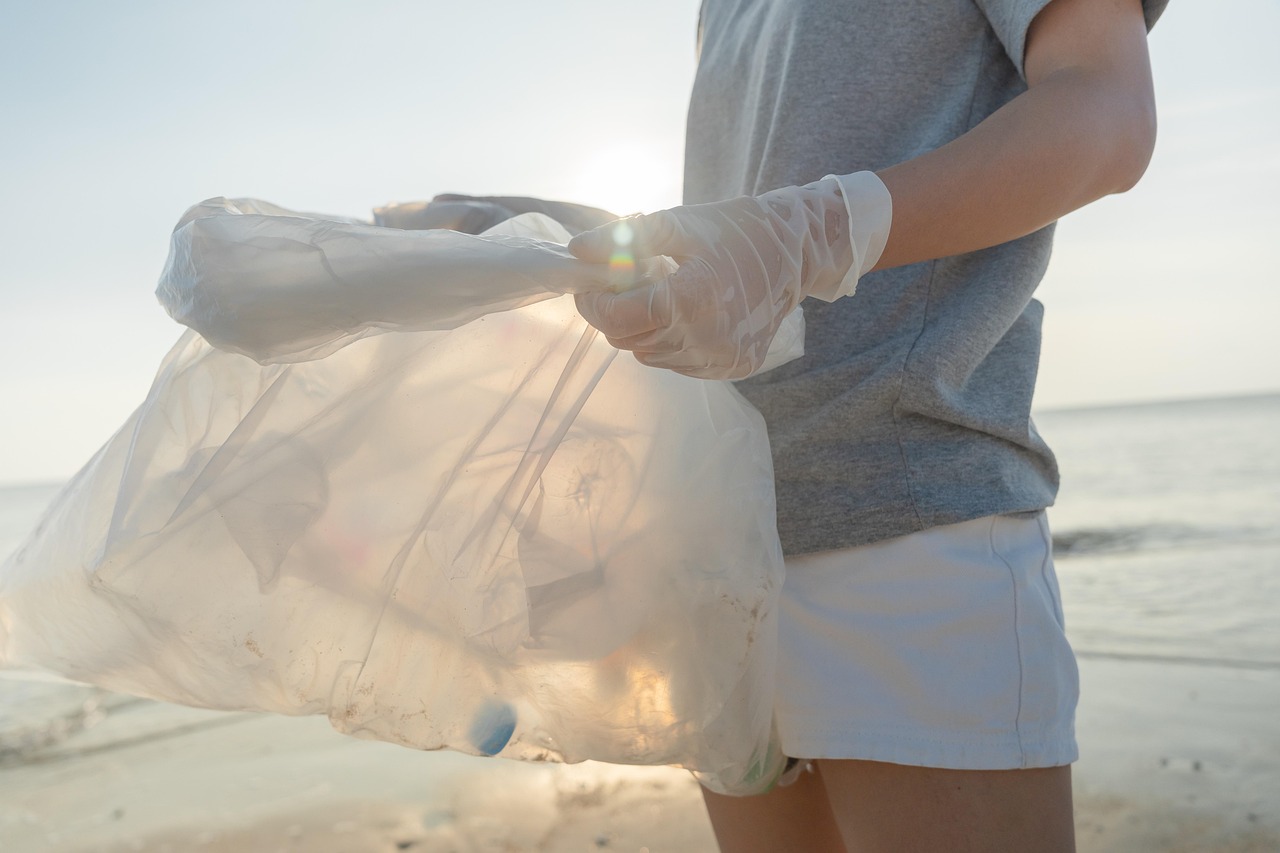
- Support zero-waste initiatives in your community. Participate in local cleanup drives, advocate for extended producer responsibility legislation, and choose brands committed to circular economy packaging models.
These steps are practical, cost-effective, and supported by peer-reviewed research. For more household strategies, explore our full guide on reducing plastic use at home.
Conclusion
Plastic pollution and health are locked in a cycle that touches every person on the planet from the nanoplastics in your bottled water to the endocrine disruptors in your child’s lunchbox to the economic strain on coastal communities cleaning up marine debris.
The science is no longer ambiguous. Microplastics circulate in human blood. Chemical additives measurably disrupt hormones. Vulnerable populations children, pregnant women, and frontline communities bear the heaviest burden.
But the evidence also shows that informed, consistent action works. Every glass container you choose over plastic, every heated plastic meal you avoid, and every policy conversation you support moves the needle toward a safer future.
Share this guide with your family and social circle. Start one change this week. The compounding effect of millions of people making slightly better choices is the most powerful force available against the plastic contamination crisis.
How does plastic pollution directly affect human health?
Plastic waste introduces microplastic particles and chemical additives such as BPA, phthalates, and styrene into the body through contaminated food, drinking water, and inhaled air. Over time, these substances disrupt hormonal balance, trigger gut inflammation, and increase susceptibility to chronic conditions including metabolic disorders and reproductive complications, as documented by the Endocrine Society and the WHO.
Has plastic actually been found inside the human body?
Yes. A 2022 peer-reviewed study published in the journal Environment International confirmed the presence of measurable microplastic concentrations in human blood samples for the first time. Researchers identified PET and polystyrene as the most common polymer types detected, proving that ingested and inhaled plastic particles can cross biological barriers and circulate systemically.
Which plastic types are safest for food storage?
Plastics carrying recycling codes #2 (HDPE), #4 (LDPE), and #5 (PP) are generally regarded as the safest options for food contact. Avoid #3 (PVC), #6 (PS), and #7 (mixed/polycarbonate) for any food-related use, particularly for children’s products or containers that may be exposed to heat.
What are nanoplastics and why should I be concerned?
Nanoplastics are synthetic polymer particles smaller than one micrometer far tinier than microplastics. Preliminary research from Columbia University suggests bottled water may contain hundreds of thousands of these particles per liter. Their extremely small size allows them to penetrate individual cells and potentially cross the blood-brain barrier, making them a rapidly growing area of scientific concern.
What is the UN doing about global plastic pollution?
The United Nations Environment Assembly has mandated negotiations toward a legally binding Global Plastics Treaty aimed at addressing the full lifecycle of plastic from production to disposal. Alongside this, the EU Single-Use Plastics Directive and national bans in countries like India and Kenya represent regional efforts, though the OECD warns that ocean plastic waste could triple by 2060 without accelerated international action.
How can I reduce my family’s plastic exposure at home?
Start by replacing plastic food containers with glass or stainless steel, especially for items that are heated or stored long-term. Avoid microwaving anything in plastic. Check recycling codes and refuse #3, #6, and #7 plastics for food use. Buy fresh produce without plastic wrapping and support local zero-waste programs. These straightforward changes significantly reduce daily chemical intake for every family member.