
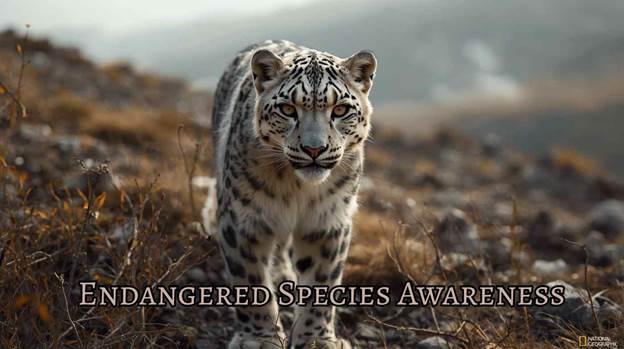
Raising endangered species awareness is essential in helping people understand how quickly some animals and plants are disappearing from the Earth. Many natural habitats are being damaged due to human activities, climate changes, and rapid industrial growth.
This article will explore why certain species are at risk, how their loss affects the balance of ecosystems, and what actions individuals and communities can take to protect them. Along the way, we will also discuss the importance of biodiversity conservation and the role of wildlife protection efforts in creating a sustainable environment. By recognizing the value of every living creature, we can work together to preserve nature’s delicate balance and ensure a healthier future for all life on our planet.
Understanding the Concept and Importance
What Does the Term Mean
Endangered species awareness focuses on educating the public about animals and plants that are at risk of disappearing forever. Many species are declining due to climate shifts, industrial growth, and human activities. The goal is to help people understand how these species contribute to the natural world and why their protection matters. Throughout history, certain species have vanished because they could not adapt or because their environments changed too quickly. Today, the rate of loss is faster, making awareness more crucial than ever.
Related Article: Threats to Wildlife: Poaching and Illegal Wildlife Trade A Global Crisis
Why Species Become Endangered
Key Contributing Factors
• Habitat loss due to farming, logging, and expanding cities
• Overhunting and illegal wildlife trade
• Pollution affecting soil, air, and water sources
• Climate shifts disrupting migration, reproduction, and food availability
When these pressures combine, species struggle to survive. Raising endangered species awareness helps communities recognize these issues and take action before it is too late.
The Importance of Protecting At-Risk Species
Role in the Natural Environment
Maintaining ecosystem balance
Every creature, from the smallest insect to the largest mammal, plays a role in nature. Some help pollinate plants, others control harmful pests, and some support plant growth by spreading seeds. Losing species disrupts these systems. For example, the disappearance of bees would make it difficult for plants to grow, affecting food supplies for both animals and humans.
Benefits of Conservation Efforts
What Society Gains
• Healthier forests, oceans, and grasslands
• Stable food chains that support agriculture
• Increased natural beauty and ecotourism opportunities
• Strengthening of scientific knowledge and medical discoveries
Conservation also supports biodiversity conservation, which keeps environments strong and resilient.
Approaches to Creating Awareness
Education and Community Involvement
Conservation education Programs
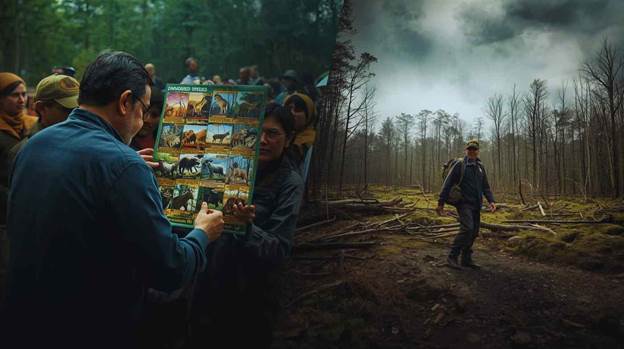
Schools, museums, and wildlife protection groups organize activities to teach children and adults about threatened species. These programs may include wildlife tours, nature workshops, and volunteer clean-up activities. When people see these animals up close or learn their survival stories, they are more likely to support protective actions.
Community Actions
• Planting native trees
• Reducing use of harmful chemicals
• Supporting ethical tourism
• Participating in local conservation events
Small actions at the community level contribute to large environmental improvements.
Government and Organizational Roles
Policy and Legal Action
Protected Wildlife Zones
Many governments create national parks and protected reserves where animals and plants can thrive without interference. These areas limit hunting, logging, and industrial activities. Environmental agencies also work with global organizations to track species populations and enforce laws against illegal trading.
Research and Monitoring
Scientific Studies
Researchers study threatened animals to understand their behaviors, reproduction, and survival challenges. This research helps create plans that support population recovery, such as breeding programs and habitat restoration projects.
Challenges in Promoting Awareness
Social and Economic Barriers
Lack of Information
In many places, people are unaware that species are disappearing. Without proper knowledge, they may not understand how their everyday choices affect nature.
Economic Pressures
Communities that rely on farming, fishing, or logging may find it difficult to prioritize conservation when their livelihoods are at stake. Balancing human needs with environmental care requires thoughtful planning and cooperation.
Examples of Species at Risk
Real-World Cases
Tigers
Tigers are threatened due to habitat loss and illegal hunting. Conservation areas and awareness campaigns aim to protect remaining populations.
Asian Elephants
These gentle animals face shrinking habitats and conflicts with humans. Programs encourage safe coexistence by promoting protected migration paths.
Sea Turtles
Many sea turtles suffer due to pollution and fishing nets. Beach protection projects and awareness events help ensure their eggs and hatchlings survive.
Throughout these efforts, endangered species awareness plays a central role in encouraging people to act before it is too late.
Moving Forward Toward a Sustainable Future
What Individuals Can Do
• Reduce plastic waste
• Support responsible tourism
• Learn and share information
• Participate in wildlife adoption programs
Even small contributions help maintain ecosystem balance and support global protection goals.
By continuing to promote endangered species awareness, individuals, communities, and nations can work together to preserve the natural world and ensure it thrives for future generations.
Conclusion
Endangered species awareness reminds us how closely our well-being is connected to the health of nature. Many species play vital roles in maintaining balanced ecosystems, supporting food chains, and preserving natural environments. By understanding the causes behind species decline and supporting conservation actions, we can help restore habitats and protect wildlife for future generations. Every individual can contribute by learning, sharing information, and encouraging responsible choices in daily life. Continue exploring credible resources and stay informed so that the effort to protect our planet’s most vulnerable species grows stronger.