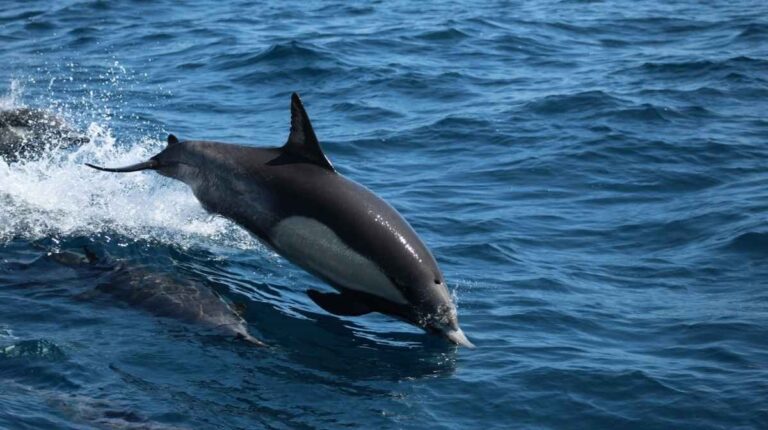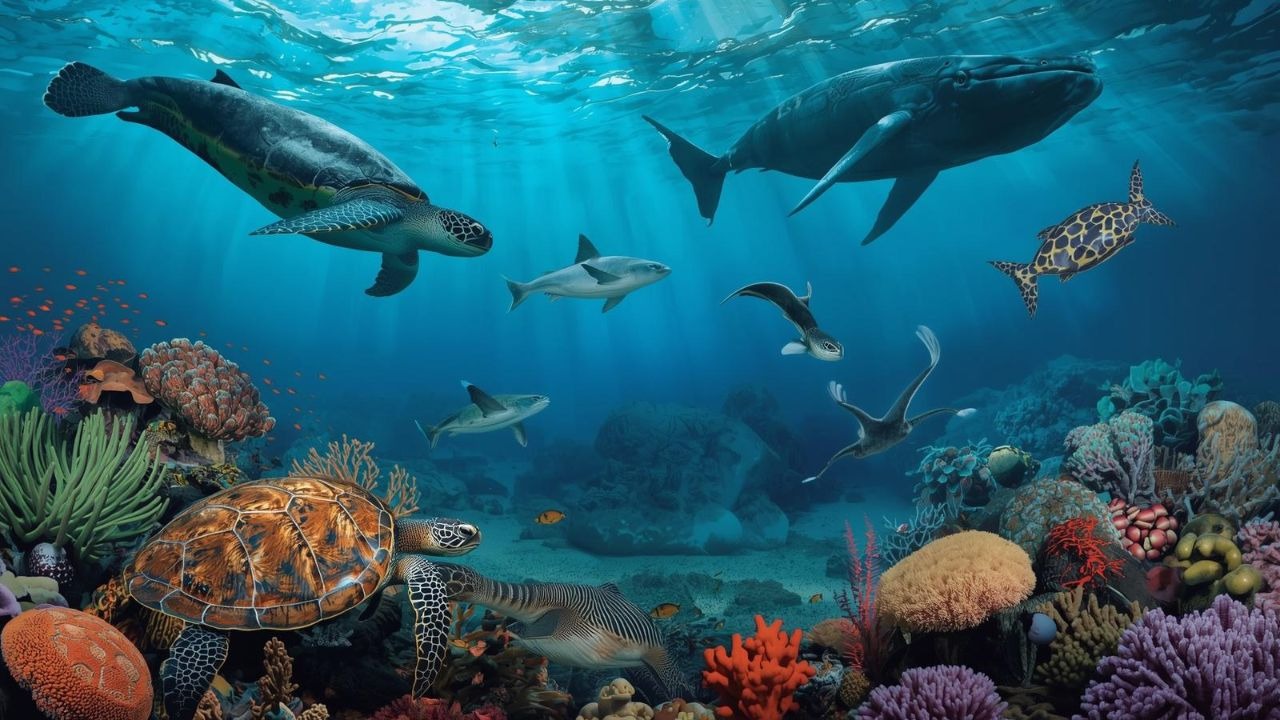
Endangered species in marine biomes are vanishing at a rate that should alarm everyone who depends on healthy oceans, and that includes all of us. Our seas stretch across more than 70 percent of Earth’s surface, sheltering a web of life so vast that scientists are still cataloging it. Yet beneath the waves, mounting pressures from overfishing, pollution, warming waters, and habitat destruction are driving thousands of creatures toward the edge of extinction.
Table of Contents
The picture is not entirely grim, though. Conservation programs around the world are producing measurable results, marine protected areas are breathing life back into depleted waters, and coastal communities are demonstrating that human activity can restore the ocean rather than ruin it. This guide walks through which marine species are most at risk, why their survival matters to people on land, and which strategies are genuinely turning the tide for endangered sea life.
What Makes a Marine Species Endangered
The International Union for Conservation of Nature maintains the Red List, the world’s most comprehensive tracker of species health. When a marine animal or plant appears on that list as threatened, it means its population is declining faster than it can recover, its habitat is shrinking, or its reproductive success has been severely compromised. Species classified as Critically Endangered, Endangered, or Vulnerable all fall under the umbrella of “threatened” (IUCN Red List Summary Statistics).
Endangered species in marine biomes inhabit every ocean environment, from shallow coral reefs and coastal mangroves to the open sea and deep-sea trenches. The scale of the crisis is staggering. According to the 2025 IUCN Red List, roughly 38 percent of all shark and ray species and 44 percent of reef-building corals now face some level of extinction risk (Blue Reef Aquarium).
Research published in PNAS suggests that as many as 37 percent of all marine mammals may be threatened when data-deficient species are included in predictive models (Davidson et al., PNAS). A 2024 study in PLOS Biology estimated that 12.7 percent of marine bony fish species are at risk of extinction, a figure five times higher than earlier IUCN estimates of 2.5 percent (Loiseau et al., PLOS Biology).
Understanding these numbers is the first step toward reversing them.
Why Protecting Endangered Sea Life Matters for Everyone
It is easy to think of ocean wildlife as distant from everyday human life, but the connections run surprisingly deep. Endangered sea life plays a direct role in maintaining the ecological balance that fisheries, coastal economies, and the global climate rely on.
Ecological Balance and Food Chains
Healthy predator populations such as sharks regulate mid-level fish species, preventing them from overgrazing the algae and invertebrates that sustain coral reefs. When top predators disappear, entire food chains can collapse in a cascade that reaches fishing communities who depend on reef health for their livelihoods. Coral reefs alone, despite covering less than one percent of the ocean floor, support roughly 25 percent of all marine species (NOAA Fisheries). Losing the animals that maintain reef health means losing the foundation of a quarter of ocean biodiversity.
Economic and Cultural Significance
Marine biodiversity fuels global economies through commercial fisheries, tourism, and pharmaceutical research. NOAA estimates that the annual value of U.S. commercial and recreational fisheries dependent on coral reefs alone is approximately 100 million dollars each (NOAA Coastal Facts). Beyond economics, coastal indigenous communities around the world have built cultural traditions around ocean species for centuries, and pharmaceutical researchers continue discovering promising medicinal compounds in marine organisms. Every species lost is a library of genetic information that can never be reopened.
Climate Regulation
Marine ecosystems function as enormous carbon sinks. Seagrass meadows, mangrove forests, and healthy ocean waters absorb and store carbon dioxide at rates that rival tropical rainforests. Losing the species that maintain these habitats accelerates climate change on land as well as at sea.
The Major Threats Driving Marine Species Toward Extinction
Multiple pressures overlap and amplify each other, making survival increasingly difficult for vulnerable ocean life.
Commercial Overfishing
Industrial fishing fleets harvest millions of tons of marine life annually, and destructive methods like bottom trawling obliterate the seafloor habitats where countless organisms breed and shelter. Bycatch, the unintentional capture of non-target species, kills enormous numbers of sea turtles, dolphins, sharks, and seabirds every season. Unsustainable extraction remains the most immediate direct threat to endangered species in marine biomes worldwide.
Climate Change and Ocean Acidification
Warmer waters trigger mass coral bleaching events that strip reefs of the symbiotic algae they need to survive. During the 2014 to 2017 global bleaching event, heat stress affected more than 75 percent of the world’s reefs, and nearly 30 percent experienced mortality-level stress (NOAA Coastal Facts). Ocean acidification weakens the shells of mollusks and the skeletal structures of corals. Species forced to migrate toward cooler regions encounter unfamiliar predators and food sources, disrupting ecosystems that took millennia to stabilize.
Plastic Pollution and Chemical Contamination
Plastic debris reaches every corner of the ocean. Animals mistake floating waste for prey, suffering internal injuries and starvation. Microplastics accumulate up the food chain, concentrating toxins in the tissues of larger predators, including fish species consumed by humans. Chemical runoff from agriculture and industry adds another layer of contamination to coastal nurseries and estuaries where young marine animals grow.
Habitat Destruction
Coastal development, dredging, and mangrove deforestation eliminate the protected nursery areas where juvenile marine animals reach maturity. Once those habitats disappear, even species with stable adult populations struggle to replace themselves. Critical environments like mangroves, coral reefs, and estuaries are being lost at an alarming pace.
Iconic Endangered Species You Should Know
Some of the most recognizable ocean animals are also among the most vulnerable, and their stories illustrate the breadth of this crisis.
Critically Endangered Marine Animals
The vaquita porpoise in Mexico’s Gulf of California is the world’s most endangered marine mammal, with fewer than 10 individuals believed to survive. Illegal gillnet fishing remains its primary threat despite international protection efforts (CurlewCall.org). Hawksbill turtles, hunted for their beautiful shells, remain critically endangered despite international trade bans. Nearly all seven sea turtle species carry some level of threatened status on the IUCN Red List (Blue Reef Aquarium).
Endangered Giants
Blue whales, the largest animals ever to live on Earth, are still recovering from decades of industrial whaling. Current estimates suggest fewer than 15,000 mature individuals remain (Blue Reef Aquarium). Whale sharks, the ocean’s largest fish, are classified as endangered, with populations declining due to plastic pollution, boat collisions, and bycatch. The North Atlantic right whale numbers only around 200 to 250 individuals, making it one of the most critically threatened large whale species on the planet.
Reef-Dependent Species
When coral reefs bleach and die, they take with them the clownfish, seahorses, pipefish, and hundreds of other creatures that depend on reef structure for food and shelter. The pillar coral of the Caribbean has moved from Vulnerable to Critically Endangered after its population shrank by over 80 percent since 1990 (ICRI / IUCN Red List). Great white sharks, despite their fearsome reputation, face declining numbers driven by fishing pressure and their slow reproductive rate.
Proven Conservation Strategies That Are Delivering Real Results
The encouraging truth is that well-designed interventions work, and many endangered species in marine biomes are already responding to protection efforts.
Marine Protected Areas: The Most Powerful Tool
Marine protected areas remain among the most effective instruments for ocean recovery. When sections of ocean are designated as no-take zones or restricted-activity areas, ecosystems rebound with remarkable speed. A comprehensive 2017 research review found that fish biomass in no-take marine protected areas is, on average, 670 percent greater than in adjacent unprotected waters and 343 percent greater than in partially protected areas (Pew Bertarelli Ocean Legacy). A study of the Lyme Bay Marine Protected Area in the United Kingdom found that fish species diversity inside the zone grew to more than 430 percent of levels found outside its boundaries over an 11-year monitoring period (University of Plymouth / ScienceDaily).
Success stories are emerging across the globe. Hawaii’s Papahānaumokuākea Marine National Monument has stabilized monk seal populations and boosted green sea turtle nesting. Australia’s Great Barrier Reef Marine Park has helped certain coral and fish populations rebound in zones with the strictest protections. Research on California’s entire MPA network confirmed that older protected areas with diverse habitats showed the highest fish biomass gains, particularly for species targeted by fisheries (UC Santa Barbara).
Species-Specific Recovery Programs
Targeted programs address the unique vulnerabilities of individual animals. Sea turtle conservation combines beach protection, hatchery programs, turtle excluder devices in fishing nets, migration corridor agreements between nations, and coastal lighting regulations that prevent hatchlings from wandering inland. These layered efforts have helped several turtle populations grow by more than 200 percent over recent decades.
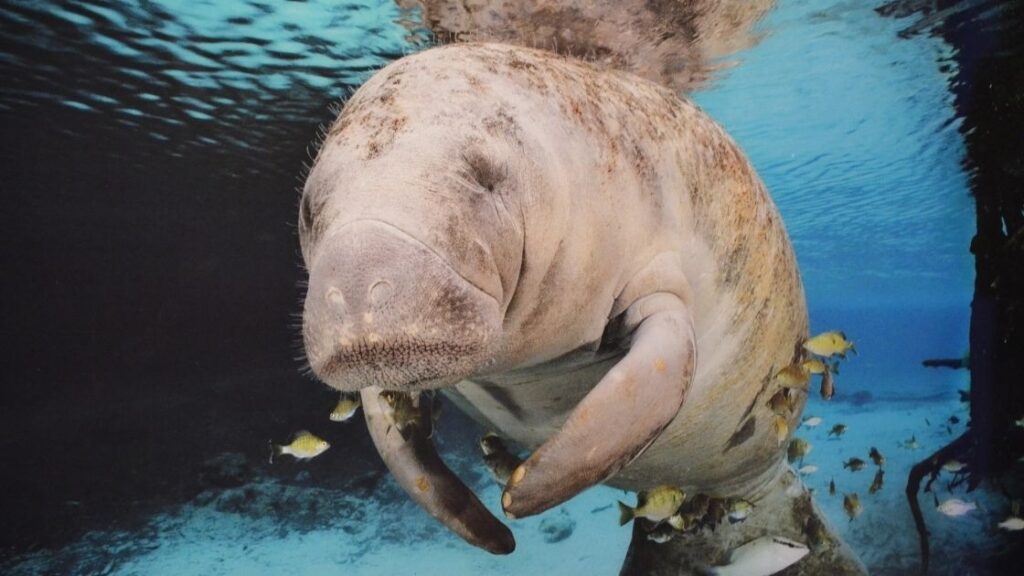
Breeding and rehabilitation programs for manatees, monk seals, and other critically threatened species demonstrate that focused intervention can reverse even severe population declines when resources and political will align.
Sustainable Fishing Reform
Reforming how we harvest ocean resources directly benefits endangered sea life. Science-based catch limits prevent overharvesting of vulnerable populations. Seasonal closures during spawning periods give fish stocks the breathing room to reproduce. Gear modifications reduce bycatch of non-target animals including turtles, sharks, and marine mammals. Certification programs such as the Marine Stewardship Council help consumers identify responsibly sourced seafood, creating market incentives that reward better fishing practices.
Community-Led Conservation
Local communities living alongside marine environments play irreplaceable roles in protecting endangered species in marine biomes. Indigenous marine stewardship programs in the Pacific Islands have restored depleted fisheries while preserving cultural connections to the ocean. Community-managed marine protected areas in Kenya have been shown to harbor larger fish and greater total biomass than open-access fished areas, even within just five years of establishment (Eggertsen et al., PubMed). Coastal patrol programs in Southeast Asia combat illegal fishing at the grassroots level. Ecotourism ventures built around whale watching, reef diving, and wildlife photography give communities a direct financial stake in keeping marine populations healthy rather than exploiting them.
How You Can Contribute to Marine Conservation
Individual actions add up when millions of people commit to them. Supporting sustainable seafood through certified brands and informed restaurant choices reduces demand for destructive fishing. Cutting personal plastic consumption, especially single-use items, keeps waste out of waterways that feed into the ocean. Participating in or donating to beach cleanup programs removes debris before it reaches marine habitats.
Advocacy carries enormous weight. Supporting policies that expand marine protected areas, strengthen fishing regulations, and address carbon emissions gives endangered species in marine biomes the systemic protection they need. Sharing reliable conservation information within your network amplifies awareness far beyond any single effort. Even small daily decisions, such as choosing reef-safe sunscreen or reducing chemical fertilizer use in home gardens, reduce the pollutants that end up in coastal waters.
Conclusion
The fate of endangered species in marine biomes is far from sealed. From ocean sanctuaries restoring life to depleted waters, to community-driven programs transforming how coastal populations interact with the sea, proven strategies demonstrate that recovery is absolutely possible when commitment and resources align. Every species saved strengthens the broader ecosystem, protects livelihoods, and preserves a living heritage for generations to come. The ocean is resilient, but it needs decisive action now more than ever. The question is no longer whether we know how to help endangered sea life recover. It is whether we will choose to act quickly enough to make the difference that matters.
What are the most endangered species in marine biomes right now?
Some of the most critically threatened marine species include the vaquita porpoise with fewer than 10 individuals remaining, the hawksbill sea turtle, the North Atlantic right whale with roughly 200 to 250 individuals left, the giant manta ray, and numerous reef-building coral species. The IUCN Red List currently classifies over 2,270 marine species as endangered.
Why are endangered species in marine biomes important?
These species maintain food chain balance, support commercial fisheries worth billions of dollars, protect coastlines through healthy reef structures, regulate ocean chemistry, and serve as sources of potential medical discoveries. Their loss can trigger cascading ecological collapses that affect both marine and human communities.
What is the biggest threat to marine species?
Overfishing is the most immediate direct threat, but climate change is rapidly becoming equally devastating through ocean warming, acidification, and mass coral bleaching events. Plastic pollution, habitat destruction, and chemical contamination compound these pressures significantly.
How do marine protected areas help endangered sea life?
Marine protected areas restrict harmful activities like fishing, drilling, and coastal development within designated zones, allowing ecosystems to recover naturally. Research shows that well-enforced no-take zones can increase fish biomass by up to 670 percent compared to unprotected waters, and the benefits often spill over into surrounding fishing grounds.
What can I do to help protect endangered marine species?
You can choose sustainably sourced seafood, reduce single-use plastic consumption, support organizations working on marine conservation, participate in beach cleanups, advocate for expanded marine protected areas, use reef-safe personal care products, and reduce your overall carbon footprint to help slow ocean warming and acidification.
How many marine species are currently at risk of extinction?
The IUCN Red List identifies over 2,270 marine species as endangered. However, recent research using predictive models suggests the true number could be significantly higher because nearly 40 percent of marine fish species have not been fully assessed due to insufficient data.