
Understanding ecology and wildlife conservation is more important today than ever, as human activities continue to impact natural habitats and threaten countless species.
This article explores the critical role of protecting our planet’s biodiversity and maintaining balanced ecosystems, highlighting practical strategies for preserving wildlife and natural resources. From the importance of habitat preservation to the ways communities can contribute to conservation efforts, readers will gain insights into actionable steps that make a real difference. Whether you are a nature enthusiast or a concerned global citizen, this guide provides a comprehensive overview of the challenges and solutions in safeguarding the delicate web of life that sustains our environment. By the end, you’ll understand ecology and wildlife conservation and why conservation is not just a responsibility but a necessity for future generations.
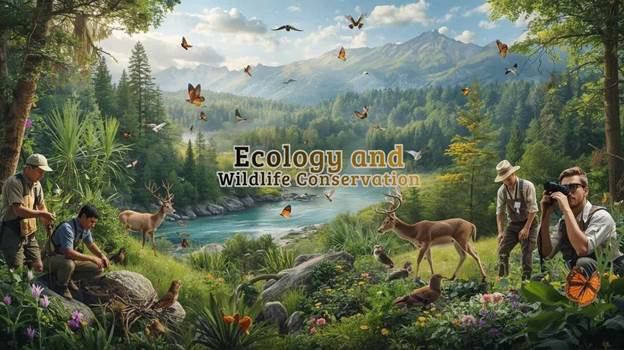
Definition and Scope of Ecology and Wildlife Conservation
Understanding Ecology
Ecology is the scientific study of interactions between living organisms and their environment. It examines how plants, animals, and humans interact within ecosystems, maintaining balance and supporting life. Ecology provides insight into natural cycles, species relationships, and resource management. Understanding these connections helps in predicting the impacts of human activities and climate change on biodiversity.
Key Concepts in Ecology
•Ecosystem Dynamics – How energy and nutrients flow through natural systems
•Species Interdependence – Relationships between plants, animals, and humans
•Environmental Balance – Maintaining stability in natural habitats
What is Wildlife Conservation?
Wildlife conservation focuses on protecting animals, plants, and their natural habitats from destruction and extinction. It aims to maintain ecological balance, safeguard biodiversity, and ensure sustainable natural resources for future generations.
Core Principles of Wildlife Conservation
•Habitat Protection – Conserving forests, wetlands, rivers, and oceans
•Species Management – Endangered species monitoring, breeding, and reintroduction
•Community Engagement – Involving local populations in sustainable conservation
•Legal Frameworks – Implementing laws to prevent poaching, deforestation, and habitat destruction
Background and History of Conservation Efforts
Early Conservation Practices
Historically, humans practiced resource management to sustain food, water, and shelter. Early societies often relied on traditional knowledge to conserve forests, rivers, and wildlife. Sacred groves, wildlife taboos, and seasonal hunting were examples of early conservation methods that helped maintain biodiversity.
Examples of Early Conservation
•Sacred groves in India – Forest areas preserved for religious and ecological purposes
•Indigenous wildlife taboos – Prevented overhunting of specific species
•Traditional water management – Ensured availability for humans and wildlife
Modern Conservation Movement
The modern conservation movement began in the 19th century with the establishment of national parks and wildlife reserves. Scientific research, environmental organizations, and government policies emphasized the importance of wildlife protection programs and habitat preservation.
Milestones in Wildlife Conservation
•1872 – Yellowstone National Park, USA, first national park
•1960s – Global environmental movements promoting conservation awareness
•1973 – Endangered Species Act, USA, protecting threatened species
•1992 – Earth Summit emphasizing biodiversity protection and sustainable development
Evolution of Conservation Science
Modern conservation integrates ecological research, habitat restoration, community participation, and technology. Innovations like GIS mapping, wildlife tracking, and breeding programs have improved success rates in species preservation.
Importance of Ecology and Wildlife Conservation
Maintaining Ecosystem Balance
Healthy ecosystems regulate climate, purify water, and support agriculture. Protecting natural habitats ensures the survival of countless species, including humans. Every organism plays a unique role, and the loss of one can trigger cascading effects.
Ecosystem Services
•Water filtration and purification
•Pollination and seed dispersal
•Soil fertility and nutrient cycling
Preserving Biodiversity
Biodiversity provides essential ecological services:
•Food security through diverse crops and livestock
•Medicinal resources derived from plants and animals
•Natural pest control and ecosystem resilience
Role of Keystone Species
Certain species, like bees and apex predators, maintain ecological balance. Protecting these keystone species is vital for ecosystem stability.
Supporting Climate Stability
Forests, wetlands, and oceans act as carbon sinks. Implementing conservation strategies reduces greenhouse gas emissions and mitigates climate change effects, maintaining environmental balance.
Benefits of Protecting Nature
Economic Advantages
•Tourism opportunities in national parks and wildlife sanctuaries
•Sustainable forestry, fisheries, and non-timber forest products
•Job creation through conservation initiatives and eco-tourism
Economic Case Studies
•Costa Rica – Revenue from eco-tourism supports conservation
•Kenya – Wildlife safaris generate funds for habitat protection
Social and Cultural Benefits
•Preservation of cultural heritage linked to natural landscapes
•Community awareness and participation in environmental protection
•Educational programs promoting environmental stewardship among youth
Enhancing Community Involvement
Engaging locals in reforestation, wildlife monitoring, and eco-tourism fosters a sense of ownership and responsibility for conservation efforts.
Environmental Benefits
•Reduction of soil erosion and desertification
•Protection of freshwater sources and wetlands
•Improved air quality and climate resilience
Ecosystem Restoration Projects
Mangrove replanting, river cleanups, and forest rehabilitation improve ecosystem health and biodiversity simultaneously.
Challenges in Ecology and Wildlife Conservation
Human-Induced Threats
•Deforestation for agriculture, mining, and urban development
•Poaching and illegal wildlife trade
•Pollution, including plastics and chemical contamination affecting species and habitats
Strategies to Reduce Human Impacts
•Strict environmental laws and regulations
•Awareness campaigns and educational programs
•Sustainable land-use planning
Natural Challenges
•Climate change altering migration, breeding, and food availability
•Invasive species threatening native populations
•Natural disasters destroying ecosystems and habitats
Mitigation Measures
Scientific research, wildlife corridors, and habitat restoration help minimize natural challenges’ impact on wildlife survival.
Practical Examples of Successful Conservation
Protected Areas and National Parks
•Yellowstone National Park, USA – Pioneer in wildlife preservation
•Serengeti National Park, Tanzania – Protects large mammals and migratory species
•Amazon Rainforest reserves – Safeguard biodiversity hotspots and indigenous communities
Species-Specific Programs
•Giant Panda Conservation, China – Breeding and habitat restoration
•Project Tiger, India – Anti-poaching and habitat management
•Sea Turtle Programs – Protect nesting sites and reduce human interference
Community-Led Initiatives
•Mangrove restoration in coastal regions – Protects shorelines and marine biodiversity
•Local forest management projects – Sustainable timber use and wildlife protection
•Eco-tourism projects – Economic growth while preserving ecosystems
Moving Towards a Sustainable Future
Ensuring Long-Term Conservation
Protecting ecology and wildlife is essential for sustaining life on Earth. Understanding ecosystem management, preserving biodiversity, and implementing practical strategies reduce threats to species survival.
Role of Communities and Policies
Community involvement, strong policies, and scientific research create harmony between humans and nature. Sustainable conservation ensures our planet remains vibrant, resilient, and capable of supporting life for future generations.
Conclusion:
Understanding ecology and wildlife conservation is essential for maintaining balanced ecosystems, preserving biodiversity, and supporting a sustainable future. Protecting natural habitats, implementing effective conservation strategies, and engaging communities are key steps toward safeguarding our planet’s rich wildlife. While challenges like climate change and human activities continue to threaten nature, proactive efforts can make a significant difference. Stay informed, support conservation initiatives, and explore ways to contribute to preserving our environment. Every action counts in building a healthier, more resilient world for future generations.