
To protect wildlife habitat is to safeguard the delicate balance of our planet’s ecosystems. Every forest, ocean, and grassland plays a vital role in supporting countless species, including humans. As natural spaces disappear due to deforestation, pollution, and urbanization, many creatures lose their homes and food sources.
In this article, we’ll explore why preserving these environments is essential for maintaining biodiversity, ensuring ecological balance, and promoting a sustainable future for generations to come. Understanding the importance of conservation helps us recognize that protecting nature is not just about animals it’s about securing a healthier planet for all.
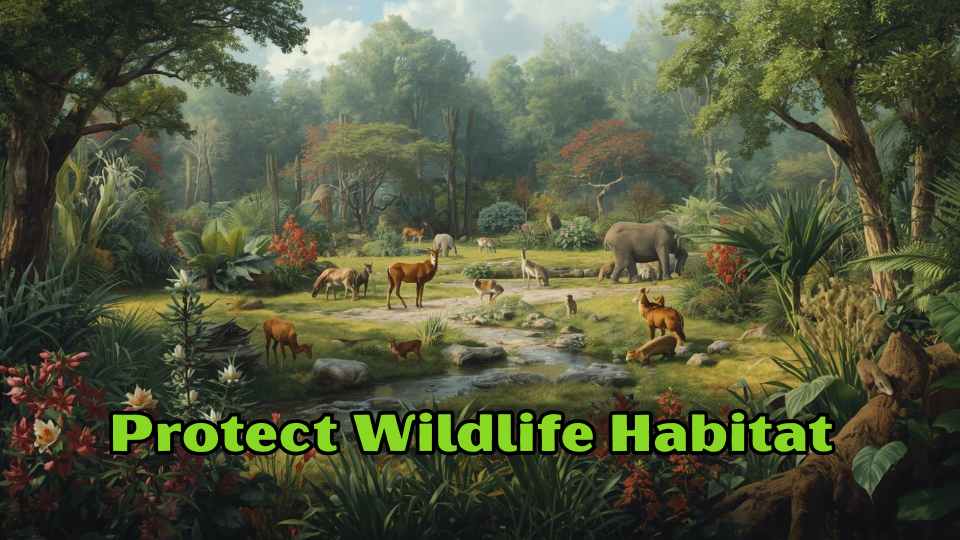
Understanding the Need to Protect Wildlife Habitat for Future Generations
Definition and Meaning of Wildlife Habitat Conservation
To protect wildlife habitat means to preserve the natural environments that animals and plants depend on for survival. These habitats include forests, wetlands, deserts, oceans, and grasslands that provide food, shelter, and breeding grounds for countless species. Conservation ensures that ecosystems remain functional and balanced, supporting both biodiversity and human well-being. By maintaining these habitats, we protect not only wildlife but also the natural resources humans rely on daily clean air, water, and fertile soil.
Historical Background of Habitat Protection
Habitat conservation has been an essential part of environmental protection for centuries. However, it gained global recognition in the 20th century when rapid industrialization, deforestation, and urban growth began threatening ecosystems. Organizations like the World Wildlife Fund and United Nations Environment Programme were established to promote global awareness about the need to conserve natural habitats.
Governments introduced policies such as the Endangered Species Act in the United States and the Convention on Biological Diversity to preserve native habitats and reduce species extinction. These global efforts laid the foundation for modern conservation practices, reminding us that protecting habitats is key to ensuring a sustainable planet.
Importance of Protecting Wildlife Habitat
Protecting wildlife habitats is essential for maintaining a healthy planet. When ecosystems are destroyed, it triggers a chain reaction that affects all living beings.
Here are a few key reasons why it’s important:
- Preserves Biodiversity: Diverse habitats support countless species, preventing extinction and keeping ecosystems resilient.
- Maintains Ecological Balance: Every organism from plants to predators plays a role in balancing the food chain.
- Supports Human Survival: Healthy ecosystems provide clean air, water, pollination, and climate regulation.
- Boosts Sustainable Development: Eco-tourism and green industries depend on the protection of natural spaces.
- Protects Cultural and Natural Heritage: Many communities have spiritual and traditional ties to forests and wildlife areas.
Related Article: Threats to Wildlife: Poaching and Illegal Wildlife Trade A Global Crisis
Environmental and Economic Benefits
The benefits of habitat protection extend beyond environmental stability.
Environmental Benefits:
- Prevents soil erosion and improves water quality
- Reduces the effects of climate change by storing carbon
- Enhances natural beauty and promotes outdoor recreation
Economic Benefits:
- Creates jobs through eco-tourism and park management
- Reduces disaster recovery costs by maintaining natural buffers like mangroves and wetlands
- Promotes sustainable agriculture and fishing
When we protect wildlife habitat, we are not only conserving animals and plants but also investing in the long-term prosperity of human societies.
Challenges in Wildlife Habitat Protection
Despite global awareness, several challenges still threaten conservation efforts:
- Deforestation: Forests are cleared for agriculture, timber, and urban expansion.
- Pollution: Industrial waste, pesticides, and plastics degrade land and water quality.
- Climate Change: Rising temperatures and altered weather patterns disrupt habitats and migration routes.
- Illegal Hunting and Poaching: Many species are pushed toward extinction due to unregulated hunting.
- Lack of Awareness and Funding: Many developing regions lack the resources or knowledge to protect local ecosystems.
Addressing these challenges requires international cooperation, local involvement, and strong policy enforcement.
Examples of Successful Habitat Protection
Several initiatives around the world showcase how committed efforts can make a difference:
- Yellowstone National Park (USA): One of the first national parks, it has preserved a wide range of wildlife including bears, wolves, and elk.
- Amazon Rainforest Conservation Projects: These programs focus on reforestation and protecting indigenous communities who act as guardians of biodiversity.
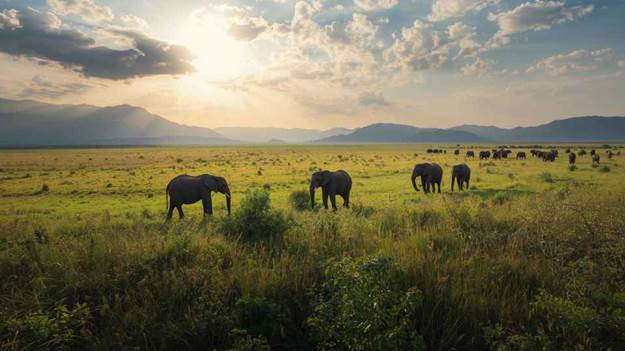
- Kenya’s Wildlife Corridors: Efforts to reconnect fragmented habitats have allowed elephants and lions to roam freely, improving species survival rates.
- Marine Protected Areas (MPAs): Established globally to protect coral reefs, fish breeding zones, and marine biodiversity from overfishing and pollution.
These examples highlight that with strategic planning and community engagement, the mission to Wildlife protection laws can lead to long-term success.
How Individuals Can Contribute
You don’t need to be a scientist or environmentalist to make a difference. Here are simple actions anyone can take:
- Support conservation organizations through donations or volunteering.
- Reduce plastic use and avoid products that harm natural habitats.
- Participate in tree-planting drives and local clean-up events.
- Educate others about the importance of environmental protection.
- Choose sustainable products that don’t exploit natural resources.
Even small efforts can create a ripple effect that leads to lasting positive change.
Towards a Sustainable Future
To ensure a thriving planet for generations ahead, we must strengthen our commitment to protect wildlife habitat and promote harmony between humans and nature. Sustainable practices such as responsible farming, green energy, and habitat restoration will help reverse decades of environmental damage. Governments, organizations, and individuals must work together to rebuild ecosystems, conserve biodiversity, and create policies that prioritize the planet’s future.
By understanding the value of every living being and preserving their natural homes, we secure a balanced, healthy, and sustainable world for ourselves and those yet to come.
Conclusion
To protect wildlife habitat is to preserve the balance of nature and ensure a livable planet for future generations. Healthy ecosystems support biodiversity, regulate the climate, and provide essential resources for all life forms. By understanding the importance of sustainability and conservation, we can take meaningful steps toward restoring and maintaining our natural world. Each small action from reducing waste to supporting environmental initiatives contributes to a greater global impact. Let’s continue to learn more and stay engaged in protecting the earth’s precious habitats for generations to come.
2 Comments
Add Yours →[…] recovery of the American bison demonstrates how protect wildlife habitat can reverse population decline. Once nearly extinct, these magnificent animals now number in the […]
[…] Protect Wildlife habitat preservation is a critical factor in supporting the rich variety of life on Earth and maintaining the balance of ecosystems. Natural habitats provide essential resources like food, shelter, and breeding grounds for countless species. Protecting these areas helps ensure the survival of diverse plants and animals, which in turn supports the stability and resilience of ecosystems worldwide. This section will explore the definition, history, benefits, challenges, and examples related to habitat conservation, highlighting its crucial role in sustaining biodiversity and promoting ecosystem health. […]