
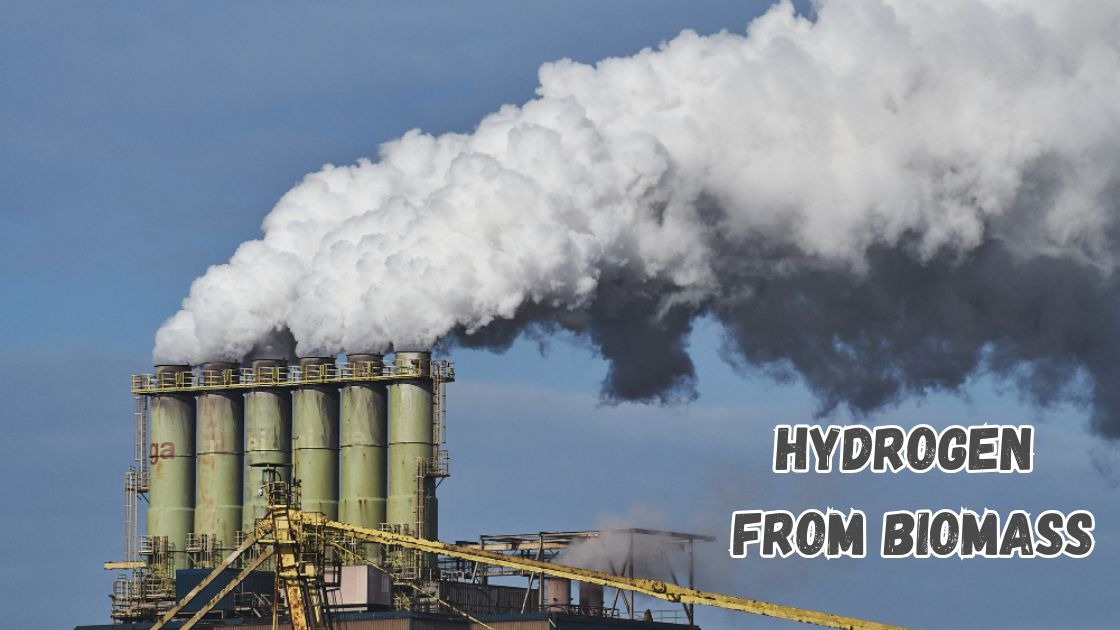
Hydrogen from biomass is emerging as a promising solution to meet the growing demand for clean and renewable energy. As concerns about climate change intensify, researchers and industries are exploring sustainable alternatives to fossil fuels, and biomass-based hydrogen production offers a pathway to reduce carbon emissions significantly.
This article will delve into how renewable energy sources and biofuel technologies are harnessed to produce hydrogen efficiently from organic materials. We will explore various conversion methods, the environmental benefits, and the challenges faced in scaling this technology. By understanding the potential of biomass as a feedstock for hydrogen, readers can appreciate its role in shaping a greener, more sustainable energy future. Whether you’re interested in clean fuel innovation or environmental conservation, this article provides valuable insights into this cutting-edge energy development.
Hydrogen from Biomass: Exploring Clean Energy Potential and Sustainable Solutions
What is Hydrogen from Biomass? Definition and Background
Hydrogen from biomass involves producing hydrogen gas through the conversion of organic materials derived from plants, agricultural residues, and waste. Biomass is a renewable energy source that can be transformed into clean fuel, offering a sustainable alternative to fossil fuels. Unlike traditional hydrogen production methods relying on natural gas or water electrolysis, biomass-based hydrogen utilizes abundant organic matter, reducing carbon emissions and promoting circular economy practices.
Historically, biomass has been used for heating and power generation, but recent advancements have expanded its role in producing hydrogen fuel. Technologies like gasification and fermentation are at the forefront, making biomass a promising resource for biofuel technologies in the clean energy transition.
The Importance of Biomass in Renewable Energy
Biomass plays a vital role in diversifying the renewable energy portfolio. Its widespread availability and ability to convert waste into energy help reduce reliance on non-renewable sources. Producing hydrogen from biomass not only supports sustainable energy solutions but also aids in managing organic waste effectively.
Using biomass contributes to lowering greenhouse gas emissions by recycling carbon within the ecosystem. It also aligns with global goals to achieve carbon neutrality and decrease environmental pollution. As a versatile feedstock, biomass can be sourced from agricultural by-products, forestry residues, and even dedicated energy crops, ensuring a steady supply for hydrogen production.
Benefits of Hydrogen Production from Biomass
The process of generating hydrogen from biomass offers several key benefits:
• Utilizes abundant and renewable feedstocks from agricultural and forestry waste
• Reduces greenhouse gas emissions compared to fossil fuel-based hydrogen
• Supports waste management by converting organic residues into energy
• Enables decentralized hydrogen production close to biomass sources
• Enhances energy security by diversifying fuel supply
• Integrates well with existing biofuel technologies and infrastructure
These advantages demonstrate how biomass can help build a more resilient and eco-friendly energy system, supporting both environmental and economic goals.
Technologies for Producing Hydrogen from Biomass
1. Gasification Process
Gasification is a thermal conversion method where biomass is heated at high temperatures in a low-oxygen environment to produce syngas a mixture mainly composed of hydrogen, carbon monoxide, and carbon dioxide. Syngas is then processed to extract pure hydrogen suitable for fuel cells and industrial use. Gasification is highly efficient and suitable for large-scale applications.
2. Pyrolysis Technique
Pyrolysis involves decomposing biomass by heating it in the absence of oxygen. This process yields bio-oil, char, and syngas containing hydrogen. Pyrolysis is particularly beneficial for converting waste materials and can be adapted for smaller operations, enhancing flexibility in hydrogen production.
3. Biological Methods
Biological hydrogen production uses microorganisms such as bacteria and algae to ferment organic matter and release hydrogen gas. Techniques like dark fermentation and photo-fermentation offer environmentally friendly alternatives with potential for low-cost hydrogen generation. Although still in development, these biological processes represent a growing area of research within renewable energy sources.
Challenges in Hydrogen Production from Biomass
Despite the promising aspects, there are several challenges to consider:
• Variability in biomass feedstock quality affects process consistency
• High initial investment and operational costs compared to conventional methods
• Need for advanced technology and specialized equipment for efficient conversion
• Difficulties in hydrogen separation and purification
• Competition for biomass resources with other sectors like bioenergy and bioplastics
• Environmental concerns regarding sustainable biomass sourcing and land use
Addressing these challenges requires ongoing innovation, policy support, and collaboration between industry and research institutions to enhance technology efficiency and economic feasibility.

Real-World Applications and Examples
Numerous initiatives around the world illustrate the practical use of biomass-derived hydrogen:
1. Community Bioenergy Projects
Villages in Europe use local biomass to produce hydrogen for heating and transport, reducing fossil fuel dependency and promoting local energy independence.
2. Industrial-Scale Gasification Plants
Facilities convert agricultural waste into hydrogen-rich syngas powering fuel cells for clean electricity and industrial applications.
3. Research on Microbial Hydrogen Production
Universities and startups develop fermentation-based systems to generate hydrogen from organic waste, aiming for cost-effective and sustainable production.
These examples highlight the growing role of biomass in clean fuel development and its potential to contribute significantly to the global energy transition.
The Future of Biomass-Based Hydrogen Production
As demand for clean energy grows, integrating biomass-based hydrogen with existing biofuel technologies and renewable energy systems is critical. Combining hydrogen production with carbon capture and storage can further reduce environmental impacts. Government incentives and research funding will play essential roles in overcoming economic and technical hurdles.
Sustainable sourcing of biomass feedstocks and smart energy policies will be key to scaling this technology. With continuous improvements, hydrogen from biomass can become a cornerstone of a low-carbon, circular energy economy that benefits both the environment and society.
Conclusion
Harnessing renewable energy sources like biomass for hydrogen production offers a promising pathway toward a cleaner and more sustainable future. This approach not only reduces greenhouse gas emissions but also supports waste management and energy security. Despite some challenges, ongoing advances in biofuel technologies and innovative processes continue to improve efficiency and feasibility. Embracing these developments is crucial for accelerating the transition to low-carbon energy systems. To stay informed about the latest trends and breakthroughs in clean fuel solutions, explore further and learn more about this transformative technology.