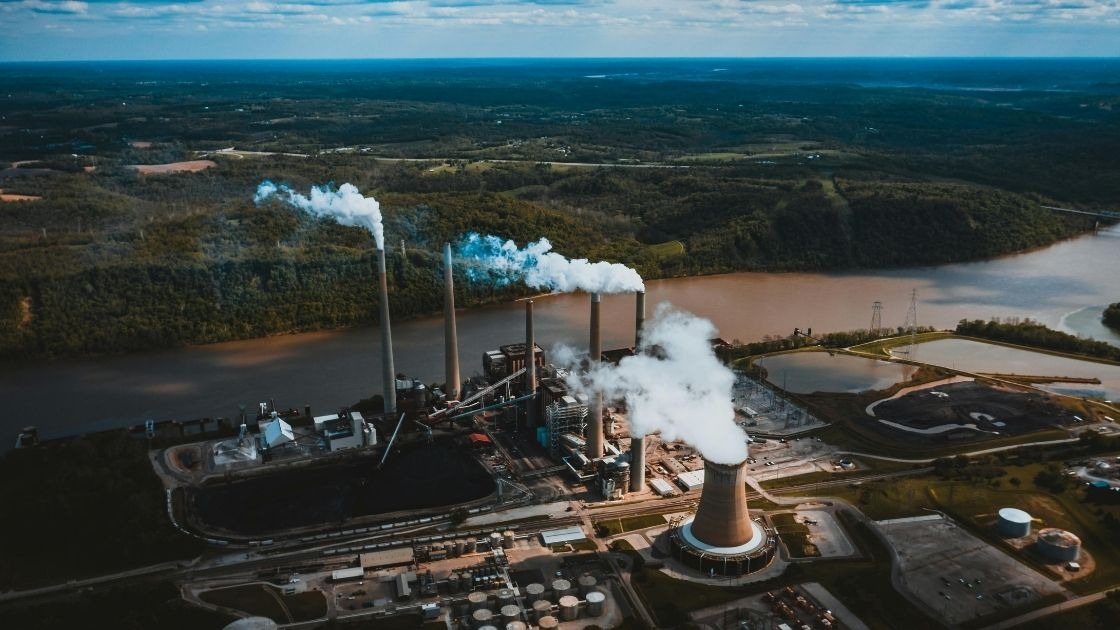
Hydrogen from biomass is emerging as a critical solution for countries seeking cleaner fuel without abandoning proven industrial infrastructure. While most of the world’s hydrogen still comes from natural gas, converting organic waste and plant material into hydrogen gas offers a way to cut emissions and manage waste simultaneously. The U.S. Department of Energy describes biomass gasification as a mature technology pathway that uses heat, steam, and oxygen to produce hydrogen without burning the feedstock.
This guide breaks down every aspect of biomass based hydrogen production, from the core conversion technologies and their costs to the environmental advantages and obstacles that still need solving.
What Is Hydrogen from Biomass?
Hydrogen from biomass is the process of generating hydrogen gas (H₂) from organic matter rather than from fossil fuels. Biomass feedstocks include agricultural leftovers such as corn stover, wheat straw, and rice husks, along with forest residues, dedicated energy crops like switchgrass and willow, municipal solid waste, sewage sludge, and algae.
According to a 2025 review published in Energies, approximately 95% of global hydrogen is currently produced through steam methane reforming (SMR), a process that emits 9 to 12 kilograms of CO₂ per kilogram of hydrogen. Biomass provides a far less carbon intensive alternative because the plants used as raw material absorb CO₂ from the atmosphere while they grow, creating a near closed carbon loop.
Why Biomass Based Hydrogen Production Matters
Biomass derived hydrogen tackles two global priorities at once: decarbonizing the energy supply and reducing organic waste. The same Energies review emphasizes that biomass gasification delivers the dual advantage of waste utilization and low carbon hydrogen output, though feedstock inconsistency remains a hurdle.
Four factors are driving growing interest in this approach:
- Self renewing feedstock: Unlike coal or natural gas, biomass regenerates within years, not millennia.
- Built in carbon offset: The CO₂ absorbed during plant growth counterbalances emissions released during hydrogen conversion.
- Productive waste management: Crop residues and municipal organic waste that would otherwise decompose in landfills or be openly burned gain economic value as hydrogen feedstock.
- Localized energy independence: Nations with strong agricultural sectors can produce hydrogen domestically, reducing reliance on imported fossil fuels.
How Is Hydrogen Produced from Biomass? Core Methods Explained
Biomass can be converted into hydrogen through three main categories of technology: thermochemical, biological, and electrochemical. The right choice depends on the type of feedstock, the desired scale of production, and the available infrastructure.
Thermochemical Conversion
Thermochemical methods use elevated temperatures to decompose organic material into gases rich in hydrogen. These are the most commercially advanced pathways available.
Biomass Gasification
Gasification is the most widely deployed thermochemical route for hydrogen production. In this process, biomass is exposed to temperatures exceeding 700°C in a controlled environment with limited oxygen and steam. The result is a gas mixture called syngas, composed mainly of carbon monoxide (CO), hydrogen (H₂), and carbon dioxide (CO₂). A subsequent water gas shift reaction converts CO into additional hydrogen.
The U.S. Department of Energy notes that absorbers or specialized membranes then separate pure hydrogen from the remaining gas stream. A key advantage of this pathway is that gasification plants for biofuels already exist and offer operational lessons directly applicable to hydrogen production.
An IEA Bioenergy Task 33 report places the technology readiness level (TRL) of biomass gasification for hydrogen between 5 and 7, indicating that all major sub processes have been proven individually but full chain integration at commercial scale still requires further demonstration.
Biomass Pyrolysis
Pyrolysis involves heating biomass to between 400°C and 800°C in the complete absence of oxygen. This thermal decomposition produces three outputs: bio oil (a liquid), syngas, and biochar (a carbon rich solid).
A 2022 study in Nature Reviews Methods Primers highlights that combining pyrolysis with an in line catalytic steam reforming stage is one of the most promising routes for selectively generating hydrogen from renewable biomass. The steam reforming step converts volatile hydrocarbons and bio oil vapors into additional hydrogen, significantly improving overall yield.
Biological Methods
Biological conversion uses living microorganisms to break down organic matter and release hydrogen gas. These processes typically operate at much lower temperatures than thermochemical routes.
Dark fermentation employs anaerobic bacteria to decompose simple sugars and organic acids into hydrogen and carbon dioxide. Because it works at ambient or near ambient temperatures, its energy demand is considerably lower than gasification or pyrolysis.
Photo fermentation relies on photosynthetic bacteria that metabolize organic acids under light exposure to produce hydrogen. This pathway is still largely confined to laboratory research, but it holds potential for integration with wastewater treatment systems where organic rich effluent and sunlight are both available.
Electrochemical Approaches
In electrochemical biomass conversion, organic compounds dissolved in a liquid electrolyte are oxidized at an electrode surface, releasing hydrogen at the cathode. This technology is at an early stage of development and has not yet reached pilot scale, but it represents a possible low temperature complement to thermochemical and biological routes.
Biomass Hydrogen Production Costs: How Do They Compare?
Cost competitiveness is the single largest barrier to widespread adoption of biomass hydrogen. Here is how the major production pathways stack up:
| Production Method | Estimated Cost | Carbon Footprint |
| Natural Gas SMR (Gray Hydrogen) | ~0.019 EUR/kWh | High (9 to 12 kg CO₂/kg H₂) |
| Biomass Gasification | 0.078 to 0.21 EUR/kWh | Low to Neutral |
| Renewable Water Electrolysis (Green Hydrogen) | Variable, often highest | Near Zero |
Cost data sourced from an ETIP Bioenergy literature review.
The IEA Bioenergy Task 33 assessment estimates that a large scale gasification facility operating at 200 MW capacity could deliver hydrogen at approximately 4 euros per kilogram when biomass feedstock costs 20 euros per megawatt hour. A separate IEA Bioenergy study from 2019 reported achievable hydrogen selling prices as low as 2.7 euros per kilogram with optimized steam gasification, suggesting significant room for cost reduction as technology matures.
Narrowing the price gap with natural gas SMR will require advances in three areas: more efficient reactor and gasifier designs, cheaper and longer lasting catalysts, and streamlined feedstock supply chains that minimize transport and storage costs.
Key Challenges in Producing Hydrogen from Biomass
Despite strong environmental credentials, biomass hydrogen faces real obstacles on the path to commercial scale deployment.
Tar Formation During Gasification
Tar is a mixture of heavy hydrocarbons that forms as a byproduct during gasification. These compounds condense on cooler surfaces downstream, clogging pipes, fouling catalysts, and degrading equipment performance. The Energies (2025) review notes that catalytic cracking and redesigned reactor configurations are among the most effective mitigation strategies under active development.
Inconsistent Feedstock Quality
Biomass is inherently variable. Moisture content, ash composition, and energy density change depending on the crop type, harvest season, storage conditions, and geographic origin. This variability complicates process optimization and can lead to fluctuations in hydrogen output and quality.
High Capital Investment
Building a biomass gasification plant requires substantial upfront spending on reactors, gas cleanup systems, and hydrogen purification units. The U.S. Department of Energy identifies reducing capital equipment costs and developing advanced membrane separation technologies as priorities for making biomass hydrogen commercially viable.
Energy Demand of the Process
Reaching the 700°C+ temperatures needed for gasification and the additional energy consumed by gas cleaning, shift reactions, and hydrogen separation reduce the net energy efficiency of the overall system. Research into heat integration, solar assisted gasification, and process intensification (combining multiple steps into fewer operations) aims to address this limitation.
Environmental Benefits of Biomass to Hydrogen Conversion
When sourced and managed responsibly, biomass hydrogen delivers measurable environmental advantages.
The Energies review reports that agricultural residues such as rice husks can achieve carbon savings of up to 85% compared to conventional fossil fuel based hydrogen methods, particularly in biomass rich countries like India and China.
Key environmental gains include:
- Near closed carbon cycle: CO₂ released during conversion is largely reabsorbed by the next generation of biomass crops, keeping net emissions minimal.
- Landfill and open burning reduction: Redirecting agricultural waste and municipal organic matter into hydrogen production prevents methane emissions from decomposition and harmful particulate releases from open field burning.
- Negative emissions potential: When biomass gasification is combined with carbon capture and storage (CCS), a configuration known as BECCS (Bioenergy with Carbon Capture and Storage), the result can be net negative CO₂ emissions, actively removing carbon from the atmosphere.

The Future Outlook for Biomass Hydrogen
Several converging trends suggest biomass hydrogen will play a growing role in the global clean energy mix over the coming decade.
Solar Biomass Gasification Hybrids
The IEA Bioenergy Task 33 report highlights that pairing biomass gasification with concentrated solar energy can substantially boost conversion efficiency. Research has demonstrated solar thermochemical efficiencies of up to 28.4%, and using solar heat to drive the gasification reaction reduces the need to burn a portion of the feedstock for process heat.
AI and Machine Learning in Process Optimization
The 2024 ScienceDirect review on biomass hydrogen discusses the emerging role of machine learning and artificial intelligence in predicting optimal operating conditions, reducing downtime, and improving catalyst selection for gasification and pyrolysis systems.
Policy and Market Drivers
Government hydrogen strategies in the European Union, the United States, India, and China are increasingly recognizing biomass as a legitimate green hydrogen feedstock. Subsidies, carbon pricing mechanisms, and renewable fuel mandates are expected to improve the economic case for biomass hydrogen, especially in regions where agricultural waste is abundant and inexpensive.
Broadening the Feedstock Base
Future commercial viability depends on moving beyond a narrow set of feedstocks. Wet biomass sources like sewage sludge and algae can undergo hydrothermal gasification, opening up entirely new supply streams. The ETIP Bioenergy review emphasizes that expanding feedstock flexibility will be essential for improving economic feasibility.
Conclusion
Hydrogen from biomass occupies a unique position in the clean energy landscape. It converts waste into fuel, operates within a near carbon neutral cycle, and builds on gasification and pyrolysis technologies that are already well understood. Biological and electrochemical routes, while less mature, add further optionality for the future.
The path to widespread adoption depends on solving well defined challenges: bringing down capital costs, managing tar in gasification systems, standardizing feedstock supply chains, and scaling up pilot plants to commercial operation. With active research, supportive government policies, and falling renewable energy costs improving the economics of hybrid approaches, biomass hydrogen is positioned to become a significant contributor to global decarbonization efforts.
If this guide helped you understand the potential of biomass based hydrogen, share it with colleagues or collaborators working on clean energy transitions. The technology is advancing fast, and staying informed is the first step toward making better energy decisions.
What is hydrogen from biomass?
Hydrogen from biomass is the production of hydrogen gas using organic materials such as crop residues, forestry waste, and energy crops as feedstock. The most established methods are gasification and pyrolysis, both of which use heat to decompose biomass into hydrogen rich gases that are then purified.
How does biomass gasification produce hydrogen?
Biomass gasification heats organic material above 700°C in a low oxygen environment with steam, generating a gas mixture called syngas that contains hydrogen, carbon monoxide, and carbon dioxide. A water gas shift reaction converts the carbon monoxide into additional hydrogen, and membrane or adsorption systems separate the pure hydrogen from the mixture.
Is hydrogen from biomass carbon neutral?
It is nearly carbon neutral because the CO₂ emitted during conversion is offset by the CO₂ that the biomass feedstock absorbed while growing. If the process is paired with carbon capture and storage technology, it can achieve net negative emissions, meaning it removes more carbon from the atmosphere than it releases.
What does biomass hydrogen cost compared to other methods?
Large scale biomass gasification can produce hydrogen for roughly 2.7 to 4 euros per kilogram depending on plant size and feedstock costs. This is more expensive than natural gas reforming but competitive with or cheaper than some renewable electrolysis pathways, and costs are expected to fall as the technology scales.
Which types of biomass work best for hydrogen production?
Dry lignocellulosic materials like wood chips, wheat straw, corn stover, and switchgrass are well suited for gasification and pyrolysis. Wet feedstocks such as sewage sludge and algae can be processed through hydrothermal gasification. The best choice depends on local availability, moisture content, and the specific conversion technology being used.
What are the biggest obstacles to scaling biomass hydrogen?
The main obstacles are tar formation that damages gasification equipment, the natural variability of biomass feedstocks, high upfront capital costs for building conversion plants, and the significant energy input required to reach operating temperatures. Progress in catalyst design, membrane separation, process intensification, and solar assisted heating is steadily reducing these barriers.