
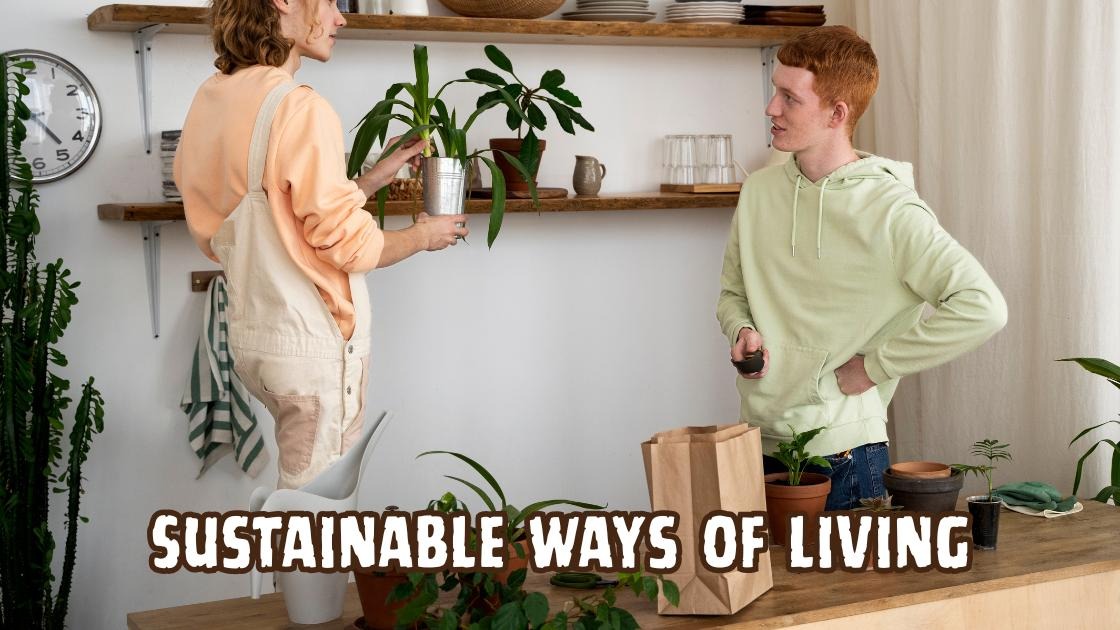
Sustainable ways of living have become more than just a trend they are now a necessity for protecting our environment. As climate change accelerates and natural resources deplete, adopting an eco-friendly lifestyle is crucial for ensuring a healthier world for future generations.
This article explores why embracing green living practices matters more than ever. From reducing your carbon footprint to making conscious daily choices, we’ll uncover practical steps that anyone can take. You’ll discover how small changes in your habits can create a significant positive impact on the planet.
Whether you’re new to environmental consciousness or looking to deepen your commitment, this guide will provide actionable insights. Together, we can build a more resilient and thriving world for ourselves and generations to come.
What Are Sustainable Ways of Living?
Sustainable ways of living refer to lifestyle choices that minimize environmental harm while meeting present needs without compromising future generations. This approach involves conscious decisions about consumption, energy use, and waste management.
At its core, environmental sustainability means balancing human activities with the planet’s ability to regenerate. It encompasses everything from the food we eat to the products we buy and how we travel.
A Brief History of the Sustainability Movement
The concept of eco-conscious living gained momentum during the 1970s when environmental awareness grew worldwide. The first Earth Day in 1970 marked a turning point in how people viewed their relationship with nature.
Since then, sustainable ways of living have evolved from a niche idea to a mainstream necessity. Today, governments, businesses, and individuals recognize the urgent need for change.
Why Embracing Green Living Matters
The Environmental Impact
Our planet faces unprecedented challenges including rising temperatures, deforestation, and ocean pollution. Adopting sustainable ways of living directly addresses these issues by reducing harmful practices.
Every eco-friendly lifestyle choice contributes to larger environmental goals. When millions of people make small changes, the collective impact becomes transformative.
Health and Economic Benefits
Living sustainably offers personal advantages beyond helping the planet. Consider these key benefits:
- Improved air and water quality leads to better respiratory and overall health
- Reduced energy bills through efficient appliances and renewable sources
- Lower healthcare costs from eating organic and chemical-free foods
- Increased property value for homes with green features
- Enhanced mental wellbeing from connecting with nature
Green living also stimulates economic growth by creating jobs in renewable energy, sustainable agriculture, and eco-tourism sectors.
Practical Examples of Sustainable Practices
Energy Conservation at Home
Reducing your carbon footprint starts at home. Simple changes make a significant difference in energy consumption.
Switch to LED bulbs which use 75% less energy than traditional lighting. Use a smart thermostat to efficiently manage your home’s temperature settings. Consider solar panels if your budget allows.
Disconnecting electronics when idle stops hidden power consumption. This small habit can save hundreds of dollars annually while supporting sustainable ways of living.
Adopting a Zero Waste Lifestyle
The zero waste movement encourages people to rethink consumption patterns. The goal is sending nothing to landfills by following these principles:
- Refuse what you don’t need
- Reduce what you do need
- Reuse through repurposing and sharing
- Send items for recycling only after refusing, reducing, and reusing options are exhausted.
- Rot the rest through composting
Carrying reusable bags, bottles, and containers eliminates single-use plastics. Shopping at bulk stores reduces packaging waste significantly.
Sustainable Food Choices
What we eat profoundly impacts the environment. Planet-friendly habits in food consumption include eating locally grown produce and reducing meat consumption.
Eating more vegetables and grains consumes less water and generates reduced greenhouse gases. Even small reductions in meat intake contribute to environmental sustainability.
Growing your own vegetables, herbs, or fruits connects you directly with your food source. Growing plants in pots is an excellent solution for people with small areas.
Challenges in Adopting Eco-Friendly Practices
Common Obstacles People Face
Transitioning to sustainable ways of living isn’t always easy. Many people encounter these barriers:
- Higher upfront costs for sustainable products
- Limited availability in certain regions
- Time constraints for preparing homemade alternatives
- Lack of infrastructure like recycling facilities
- Social pressure and convenience culture
Overcoming These Challenges
Start small rather than attempting complete lifestyle overhauls. Choose one area to focus on initially, then gradually expand your eco-friendly lifestyle practices.
Community support makes the journey easier. Join local environmental groups or online communities for tips, encouragement, and shared resources.
Sustainable ways of living become more affordable as demand increases. Many sustainable options now cost the same or less than conventional alternatives.
The Future Depends on Our Choices Today
Renewable energy adoption is accelerating worldwide. Electric vehicles are becoming mainstream. These shifts indicate that sustainable ways of living are becoming the norm rather than the exception.
Young generations particularly embrace green living values. Their activism and consumer choices push businesses toward more responsible practices.
Every individual action matters in this collective effort. Your choices influence family members, friends, and communities, creating ripple effects that extend far beyond your immediate circle.
Conclusion
Sustainable ways of living are no longer optional they are essential for securing a healthy future for our planet. From reducing energy consumption to embracing a zero waste lifestyle, every small action contributes to meaningful change.
The benefits extend beyond environmental protection. Adopting an eco-friendly lifestyle improves personal health, saves money, and builds stronger communities. While challenges exist, starting with simple steps makes the transition manageable.
Sustainable ways of living empower us to become part of the solution. By making conscious choices today, we protect natural resources and create a thriving world for generations to come. The time to act is now.