Renewable heating systems are now the fastest-growing segment of the global energy transition. According to the International Energy Agency, renewable heat consumption is projected to rise by more than 42 percent globally between 2025 and 2030, more than double the increase of the previous six-year period. Heat pumps alone could meet over 60 percent of global space and water heating demand with lower carbon emissions than gas boilers, the IEA reports. Governments are responding with aggressive incentives: Germany now requires all newly installed heating systems to use at least 65 percent renewable energy, and programs like Rhode Island’s $25 million Clean Heat initiative are making heat pumps accessible to homeowners who could not previously afford them.
Table of Contents
This guide covers the major types of renewable heating systems available in 2026, compares their costs and performance, explains what sustainable heating systems mean in practice beyond the technology, and outlines the incentives, installation considerations, and maintenance involved. For the broader context of how home energy choices connect to climate outcomes, see our climate and global change coverage.
What Makes a Heating System Renewable
A renewable heating system draws its energy from sources that replenish naturally (sunlight, ground heat, air heat, sustainably managed biomass) rather than from finite fossil fuels (natural gas, oil, propane). The distinction matters because heating and cooling account for roughly half of global energy consumption, and the vast majority of that energy still comes from burning fossil fuels, according to the IEA.
Sustainable heating systems is a broader term that encompasses renewable technology but also includes efficiency measures (insulation, airtightness, heat recovery ventilation) and system design choices (right-sizing equipment, zoning, smart controls) that reduce total energy demand regardless of fuel source. The most effective approach combines both: reduce the amount of heat needed through efficiency, then supply what remains from renewable sources.
Types of Renewable Heating Systems
Six technologies dominate the residential and commercial market in 2026. Each operates on a different principle and suits different climates, building types, and budgets.
Air Source Heat Pumps (ASHP)
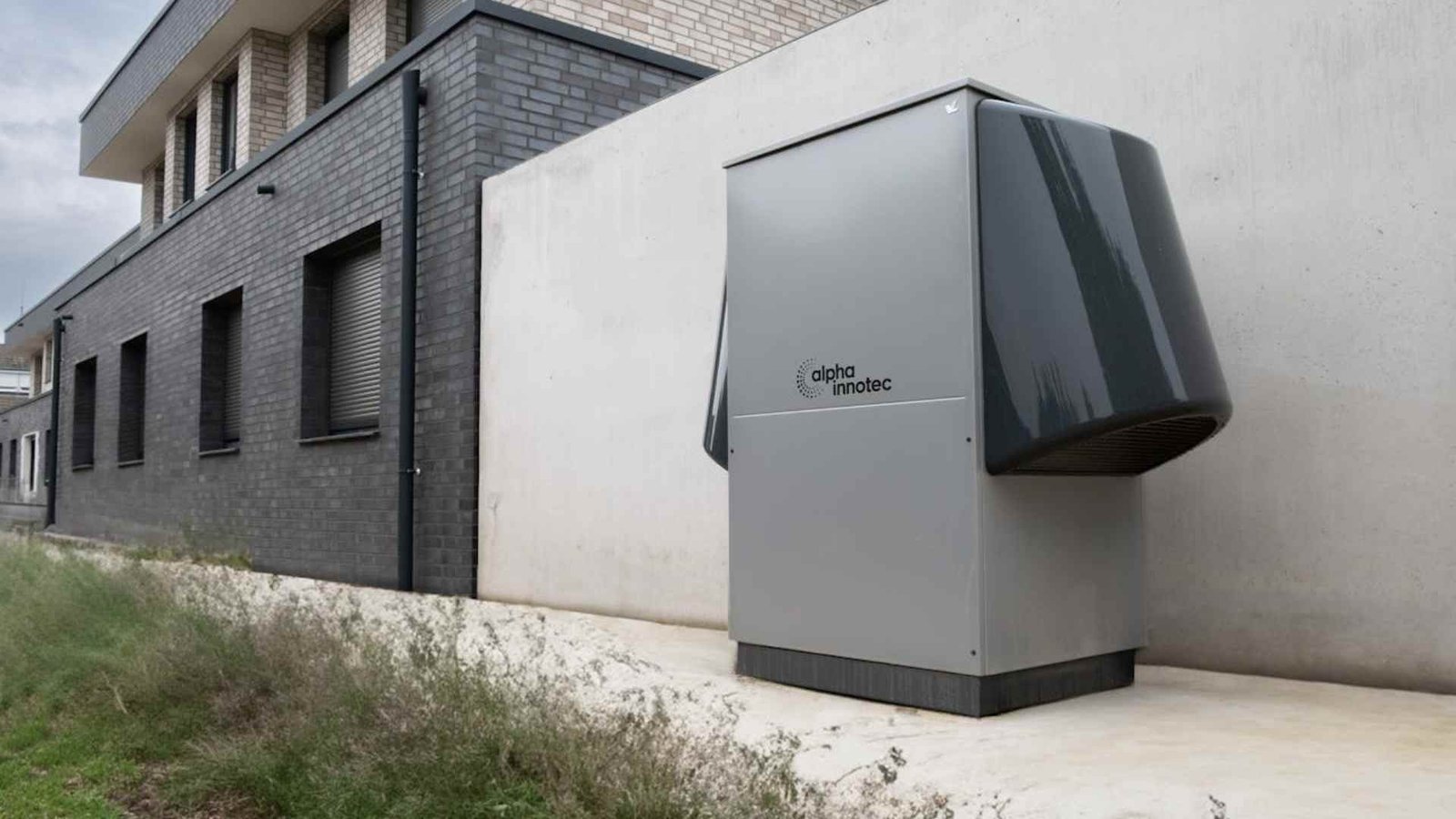
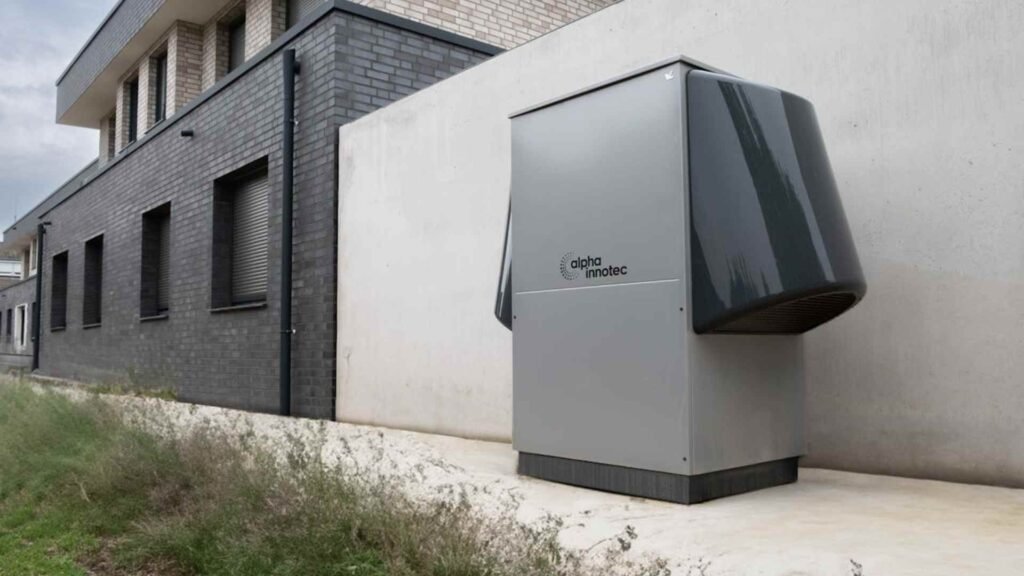
Air source heat pumps extract heat from outdoor air and transfer it indoors, even in cold weather. They work on the same principle as a refrigerator but in reverse. Modern cold-climate models operate effectively down to minus 15 to minus 25 degrees Celsius, making them viable in nearly all inhabited regions.
The IEA identifies air source heat pumps as the single largest driver of renewable heat growth globally. They typically achieve a coefficient of performance (COP) of 2.5 to 4.0, meaning they deliver 2.5 to 4 units of heat for every unit of electricity consumed. That makes them 250 to 400 percent efficient compared to a gas boiler’s roughly 90 percent. When powered by renewable electricity (solar panels, wind), they are effectively zero-emission.
Installation costs vary by property size and climate but generally range from $3,500 to $8,000 for a residential system before incentives. The U.S. Department of Energy provides detailed guidance on sizing, installation, and available federal tax credits (currently 30 percent of cost, up to $2,000 under the Inflation Reduction Act).
Ground Source Heat Pumps (GSHP)
Ground source heat pumps (also called geothermal heat pumps) exchange heat with the earth through buried loops of fluid-filled pipe. Because ground temperature remains relatively stable year-round (roughly 10 to 16 degrees Celsius at depth), these systems operate at higher efficiency than air source models, typically achieving a COP of 3.5 to 5.0.
The U.S. Department of Energy notes that ground source systems can reduce energy consumption by 25 to 50 percent compared to conventional heating. They also provide cooling in summer by reversing the heat exchange process. The tradeoff is higher upfront cost ($15,000 to $35,000 for a residential installation) due to the ground loop excavation. However, operating costs are significantly lower, and systems typically last 20 to 25 years (with ground loops lasting 50 or more).
The Rhode Island Office of Energy Resources includes ground source heat pumps in its Clean Heat RI incentive program, providing subsidies that bring the net cost closer to conventional system pricing.
Solar Thermal
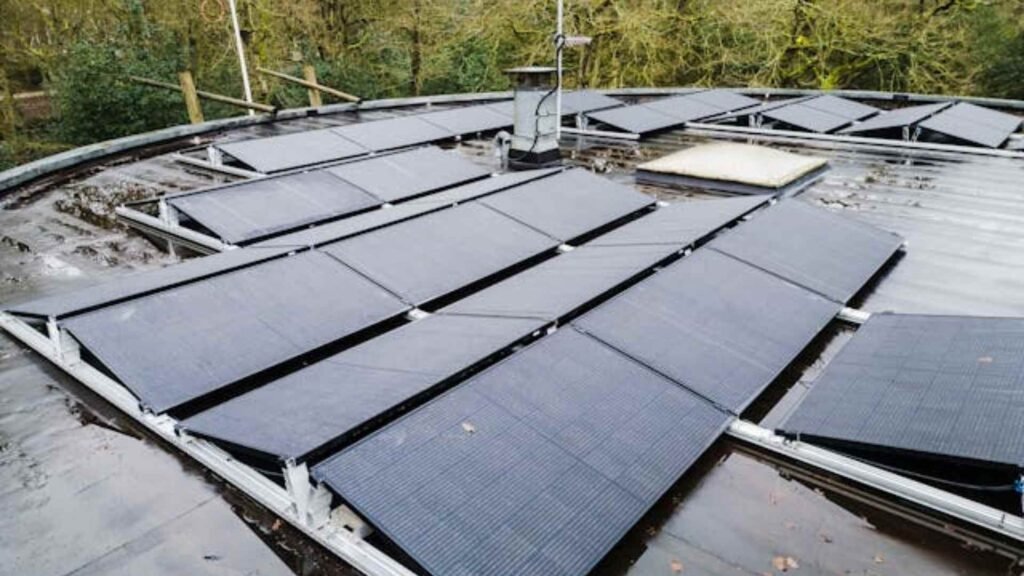
Solar thermal systems use rooftop collectors to capture heat from sunlight and transfer it to water or a heat-transfer fluid. They are most commonly used for domestic hot water but can also supplement space heating in well-insulated homes.
The REN21 Global Status Report 2025 reports that global solar thermal capacity reached 17.8 gigawatts-thermal of new installations in 2024, though the market has contracted from its peak due to competition from heat pumps and solar PV. Solar thermal remains cost-effective for water heating in sunny climates and increasingly appears in hybrid configurations paired with heat pumps and thermal storage.
A typical residential solar thermal system costs $3,000 to $7,000 and can supply 50 to 80 percent of a household’s hot water demand, depending on climate and system size.
Biomass Boilers
Biomass boilers burn organic materials (wood pellets, wood chips, agricultural waste) to produce heat. When the biomass is sourced from sustainably managed forests or waste streams, the system is considered carbon-neutral because the carbon released during combustion was recently absorbed from the atmosphere by the growing plants.
Biomass systems are well-suited to rural properties with space for fuel storage and in regions where wood pellet supply chains are established. Residential pellet boilers cost $10,000 to $20,000 installed. The Rhode Island Office of Energy Resources notes that biofuels are renewable but not emissions-free, since combustion releases particulates and other pollutants. Our guide to solutions for reducing air pollution covers how particulate emissions from biomass compare to fossil fuel heating and what filtration technologies are available.
Hydrogen-Ready Boilers
Hydrogen-ready boilers are conventional gas boilers designed to run on natural gas now but convertible to hydrogen fuel in the future. Several countries (particularly the UK and the Netherlands) are piloting hydrogen heating networks that would deliver green hydrogen (produced from renewable electricity) through existing gas pipelines.
The technology is promising but unproven at scale. Green hydrogen production remains expensive, and the infrastructure to deliver it to homes does not yet exist in most markets. Hydrogen-ready boilers are a transitional option for homeowners who want to replace an aging gas system now while keeping a pathway to zero-emission fuel open.
District Heating Networks
District heatingdelivers heat from a centralized renewable source (large-scale heat pumps, solar thermal fields, geothermal wells, biomass plants) to multiple buildings through insulated underground pipes. The IEA highlights district heating as a key strategy for decarbonizing dense urban areas where individual building-level renewable systems are impractical.
Scandinavia leads in district heating deployment. Denmark now supplies over 60 percent of its residential heating through district networks, many of which run on combinations of solar thermal, large-scale heat pumps, and biomass. For individual homeowners, the main consideration is whether a district network exists or is planned in their area.
Comparing Renewable Heating Systems
The table below compares the six major sustainable heating systems across the dimensions that matter most to homeowners and building managers.
| System | How it works | Typical COP / efficiency | Residential cost (before incentives) | Best suited for | Key limitation |
| Air source heat pump | Extracts heat from outdoor air | COP 2.5 to 4.0 | $3,500 to $8,000 | Most climates and building types | Efficiency drops in extreme cold (older models) |
| Ground source heat pump | Exchanges heat with the ground | COP 3.5 to 5.0 | $15,000 to $35,000 | Properties with land for ground loops | High upfront excavation cost |
| Solar thermal | Captures sunlight as heat | 50 to 80% of hot water demand | $3,000 to $7,000 | Hot water in sunny climates | Limited space heating contribution |
| Biomass boiler | Burns wood pellets or chips | 85 to 95% combustion efficiency | $10,000 to $20,000 | Rural properties with fuel storage | Particulate emissions, fuel logistics |
| Hydrogen-ready boiler | Burns gas now, convertible to hydrogen | ~92% (gas mode) | $2,500 to $5,000 | Properties on gas grid awaiting hydrogen | Hydrogen infrastructure not yet built |
| District heating | Centralized renewable source via underground pipes | Varies by source | Connection fee varies | Dense urban areas | Availability limited by network coverage |
What to Consider Before Installing
Choosing among renewable heating systems depends on several property-specific factors.
Insulation first. Every expert source, from the IEA to the U.S. Department of Energy, agrees that improving insulation and airtightness before installing a renewable system delivers better results and lower lifetime costs. A well-insulated home needs a smaller, less expensive heat pump. A poorly insulated home will struggle with any system.
Climate. Air source heat pumps perform best in moderate climates but modern cold-climate models (with variable-speed compressors) now work effectively in regions like Minnesota, Norway, and northern Japan. Ground source systems are climate-independent because ground temperatures are stable. Solar thermal depends on sufficient sunlight hours.
Available space. Ground source systems need yard space for horizontal loops or access for vertical boreholes. Biomass boilers need fuel storage (a pellet silo or chip bin). Solar thermal needs unshaded roof area facing south (in the Northern Hemisphere).
Existing infrastructure. Homes with existing radiator systems designed for high-temperature boilers may need radiator upgrades or underfloor heating to work efficiently with heat pumps, which output at lower temperatures. Homes with forced-air ductwork can often accommodate air source heat pumps with minimal modification.
Incentives. Federal, state, and local incentive programs significantly reduce upfront costs. The U.S. Inflation Reduction Act provides a 30 percent tax credit (up to $2,000) for heat pump installations. The UK’s Boiler Upgrade Scheme and programs like Rhode Island’s Clean Heat RI offer direct subsidies. Check local programs before making a purchasing decision.
For a full assessment of your household energy use and where renewable heating fits, our sustainability assessment and eco tools can help identify the highest-impact upgrades for your specific situation. For other sustainable changes beyond heating, our eco-friendly replacements guide covers practical product swaps across the household.
Maintenance and Longevity
One of the advantages of renewable heating systems over fossil fuel boilers is lower maintenance demand.
Heat pumps (air and ground source) require an annual filter cleaning, periodic refrigerant checks, and inspection of outdoor units for debris or ice buildup. Most manufacturers recommend a professional service every one to two years. Air source units last 15 to 20 years; ground source units last 20 to 25 years, with ground loops lasting 50 or more.
Solar thermal systems need annual checks on the heat-transfer fluid level and condition, inspection of collectors for damage, and verification that the pump and controller are functioning. Well-maintained systems last 20 to 30 years.
Biomass boilers require the most maintenance of any renewable option: regular ash removal, annual flue cleaning, and fuel supply management. Pellet boilers are more automated than log or chip systems but still require more attention than heat pumps.
Hydrogen-ready boilers have maintenance profiles identical to conventional gas boilers (annual service, flue check, safety inspection).
What is the most efficient renewable heating system?
Ground source heat pumps offer the highest efficiency, with COPs of 3.5 to 5.0, meaning they produce 3.5 to 5 units of heat for every unit of electricity consumed. Air source heat pumps are the most widely installed due to lower cost and easier installation, with COPs of 2.5 to 4.0. Both outperform gas boilers (roughly 90 percent efficiency) by a wide margin.
Are renewable heating systems worth the upfront cost?
In most cases, yes. The IEA reports that heat pump running costs are often lower than gas or oil systems, especially when combined with renewable electricity generation. Government incentives (30 percent tax credits in the US, Boiler Upgrade Scheme in the UK) further improve the payback period. Most homeowners recover the cost difference within 5 to 10 years through lower energy bills.
Can a heat pump work in very cold climates?
Yes. Modern cold-climate air source heat pumps with variable-speed compressors operate effectively down to minus 15 to minus 25 degrees Celsius. Ground source heat pumps are essentially climate-independent because ground temperatures remain stable year-round. Scandinavian countries, where winter temperatures regularly drop below minus 20, have among the highest heat pump adoption rates in the world.
What is the difference between renewable and sustainable heating?
Renewable heating systems use energy from naturally replenishing sources (air, ground, sun, biomass). Sustainable heating systems is a broader concept that also includes energy efficiency measures (insulation, heat recovery, smart controls) and system design that minimizes total energy demand. The most effective approach combines both: reduce demand through efficiency, then meet remaining demand with renewable technology.
Do I need to upgrade my radiators for a heat pump?
Possibly. Heat pumps output at lower temperatures than gas boilers (typically 35 to 55 degrees Celsius versus 60 to 80 degrees). If your existing radiators were sized for a high-temperature boiler, they may need to be replaced with larger panels or supplemented with underfloor heating to distribute heat effectively at lower flow temperatures. A qualified installer can assess your specific system.
Which renewable heating system has the lowest carbon footprint?
When powered by renewable electricity, air and ground source heat pumps produce zero direct emissions and minimal indirect emissions. Solar thermal has near-zero lifecycle emissions. Biomass is considered carbon-neutral when sustainably sourced, but combustion releases particulates. Hydrogen boilers running on green hydrogen would also be near-zero, but the technology and supply chain are not yet mature.
Sources
- International Energy Agency. “Renewable Heat.” https://www.iea.org/reports/renewables-2025/renewable-heat
- International Energy Agency. “Heat Pumps.” https://www.iea.org/energy-system/buildings/heat-pumps
- U.S. Department of Energy. “Residential Renewable Energy.” https://www.energy.gov/energysaver/residential-renewable-energy
- REN21. “Global Status Report 2025: Solar Thermal.” https://www.ren21.net/gsr-2025/technologies/solar-thermal/
- Rhode Island Office of Energy Resources. “Renewable Heating and Cooling.” https://energy.ri.gov/heating-cooling/renewables