
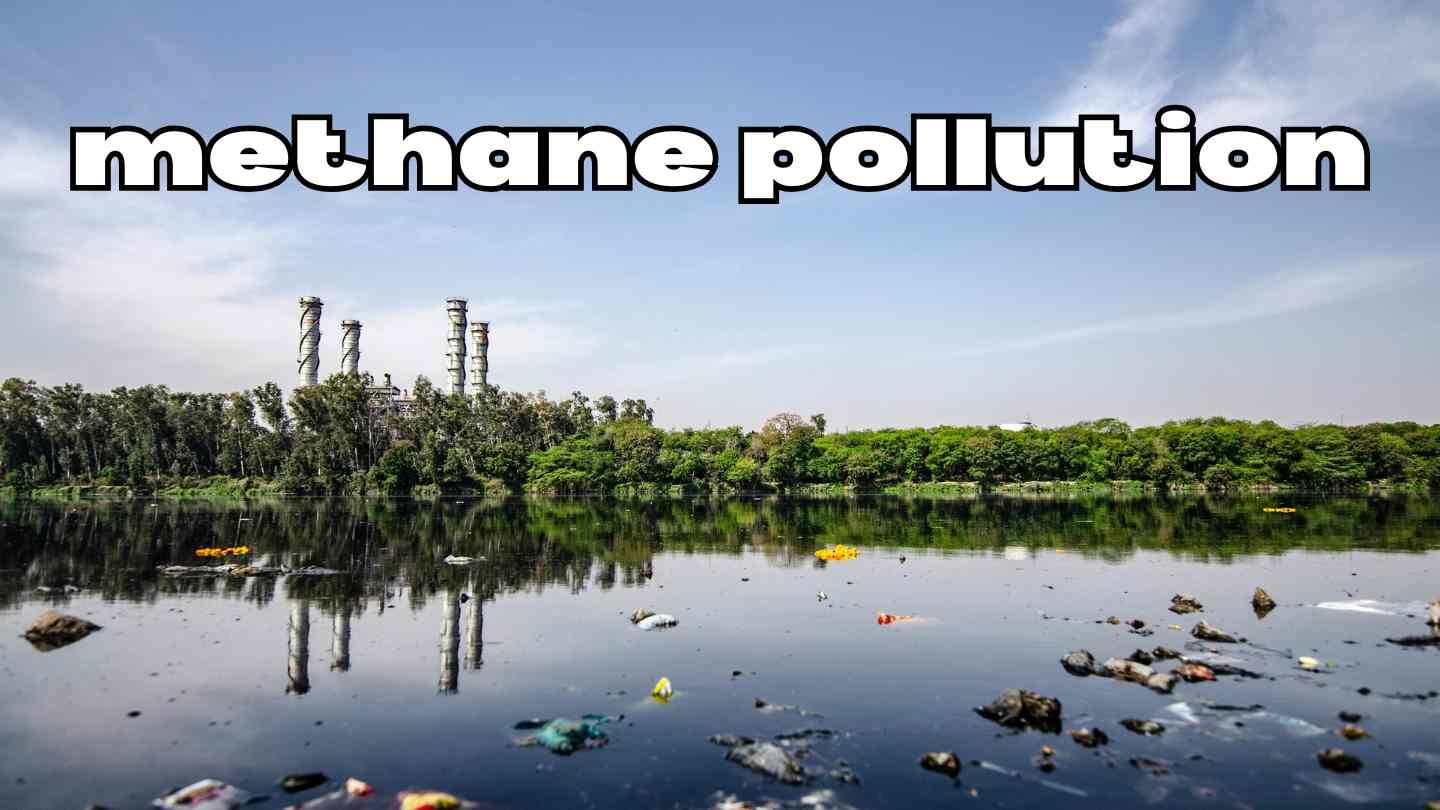
Methane pollution is emerging as one of the most critical environmental challenges of our time. This potent greenhouse gas not only accelerates global warming but also threatens air quality, public health, and the stability of ecosystems. Unlike carbon dioxide, methane has a much stronger short-term warming potential, making its management crucial for climate change mitigation efforts. Major sources include agricultural practices, landfills, and fossil fuel extraction, each contributing significantly to rising atmospheric levels.
In this article, we will explore how methane enters the atmosphere, its environmental and health impacts, and effective strategies to reduce its emissions. Readers will gain insight into both the science behind this gas and the practical solutions that can help combat climate crisis challenges effectively. Understanding methane’s role is vital for creating a sustainable and healthier future.
Understanding Methane Pollution
Methane pollution refers to the release of methane gas into the atmosphere, which significantly contributes to global warming and climate change. As a potent greenhouse gas, methane traps heat in the atmosphere much more efficiently than carbon dioxide over a short period. Its primary sources include agriculture, landfills, fossil fuel extraction, and wastewater treatment. Understanding its role is essential for creating strategies that mitigate environmental damage and promote sustainable practices.
Background and History
Methane has been naturally present in the atmosphere for thousands of years, primarily from wetlands and natural gas seepage. However, industrialization and modern agricultural practices have dramatically increased its concentration. Over the past century, the levels of methane have risen by more than 150 percent, accelerating climate crisis effects. Historically, humans were unaware of methane’s environmental impact, but recent studies have highlighted its significant role in global warming.
Importance of Addressing Methane Pollution
Reducing methane pollution is crucial for several reasons:
1.It helps slow climate change by limiting short-term warming.
2.Improves air quality, reducing smog formation.
3.Protects public health from respiratory and cardiovascular issues.
4.Preserves ecosystems by limiting heat stress and habitat disruption.
5.Supports sustainable agriculture and waste management practices.
Controlling methane emissions can provide immediate climate benefits, unlike carbon dioxide, which takes decades to show effects. Therefore, addressing this gas is a priority for both environmental scientists and policymakers.
Sources of Methane Pollution
Agricultural Practices
Livestock farming, particularly cows and sheep, produces large amounts of methane through enteric fermentation. Manure management and rice paddies also release significant emissions. Implementing methane mitigation strategies in agriculture can substantially reduce overall pollution.
Industrial and Fossil Fuel Sources
Extraction and transportation of natural gas and coal contribute heavily to methane emissions. Leaks in pipelines, venting, and incomplete combustion are common issues. Advanced monitoring systems and stricter regulations are critical to minimize these industrial emissions.
Landfills and Waste Management
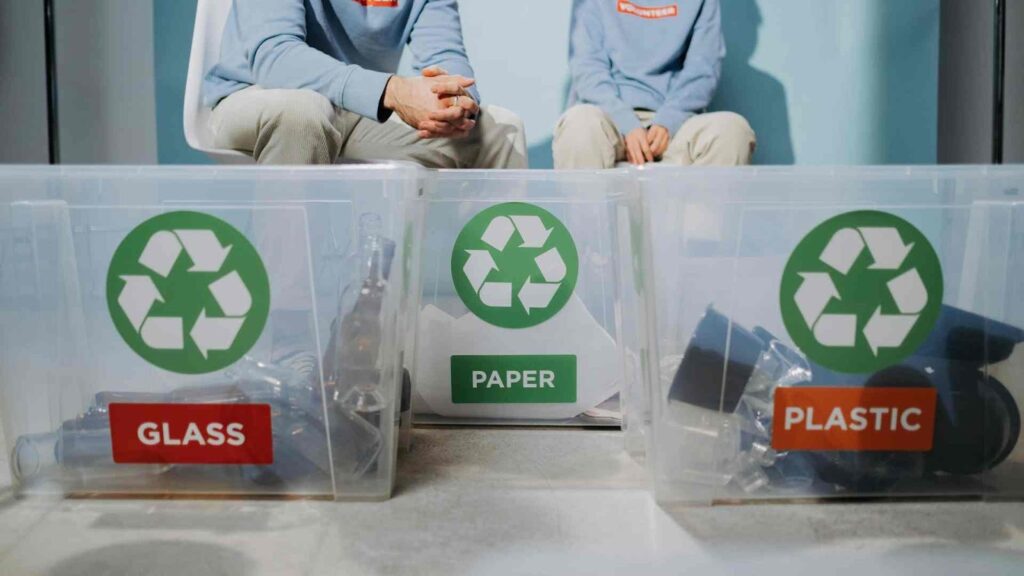
Organic waste decomposition in landfills produces methane, especially when oxygen is limited. Proper waste segregation, composting, and landfill gas capture technologies can drastically cut these emissions.
Other Natural Sources
Wetlands, permafrost, and oceans naturally emit methane. While these are unavoidable, understanding their contribution helps in modeling climate predictions and planning mitigation strategies.
Key Features and Characteristics
Methane is colorless, odorless, and highly flammable. It has a global warming potential approximately 25 times greater than carbon dioxide over a 100-year period. Its short atmospheric lifespan of about 12 years makes it an ideal target for rapid climate interventions. Monitoring methane levels using satellites and ground-based sensors has become a vital tool in assessing emission hotspots globally.
Challenges in Reducing Methane
Reducing methane pollution comes with challenges:
1.Identifying all emission sources accurately.
2.Implementing cost-effective mitigation technologies.
3.Encouraging cooperation from agricultural and industrial sectors.
4.Addressing illegal or unregulated emissions.
5.Overcoming technological and infrastructural limitations in developing regions.
Despite these challenges, governments and environmental organizations are increasingly prioritizing methane reduction as part of climate action plans.
Mitigation Strategies
Technological Solutions
Capturing methane emissions from landfills and industrial sites can be achieved using advanced gas recovery systems. Agricultural innovations like improved feed and manure management reduce methane produced by livestock. Renewable energy solutions such as biogas production turn methane into a useful energy source.
Policy and Regulation
Governments worldwide are setting regulations to limit methane emissions, including strict monitoring, reporting, and penalties for non-compliance. Policies encouraging sustainable agriculture and clean energy adoption are essential for long-term impact.
Public Awareness and Community Action
Educating communities about the environmental impacts of methane and promoting waste reduction, composting, and sustainable practices can significantly lower emissions at the local level.
Benefits of Reducing Methane Pollution
Reducing methane emissions offers numerous advantages:
1.Immediate climate benefits through decreased warming potential.
2.Improved air quality and fewer health risks.
3.Enhanced efficiency in energy production through captured methane.
4.Economic gains from innovative waste-to-energy solutions.
5.Contribution to global sustainability goals and environmental conservation.
Conclusion
Addressing methane pollution is critical for mitigating climate change and protecting public health. By understanding its major sources from agriculture to landfills and fossil fuel extraction—we can implement effective strategies to reduce emissions. Technological innovations like methane capture, policy regulations, and community awareness are key to controlling this potent greenhouse gas. Reducing methane not only improves air quality but also supports sustainable practices and ecosystem protection. Immediate action can deliver significant environmental benefits, making it essential for governments, industries, and individuals to collaborate for a cleaner and healthier future.