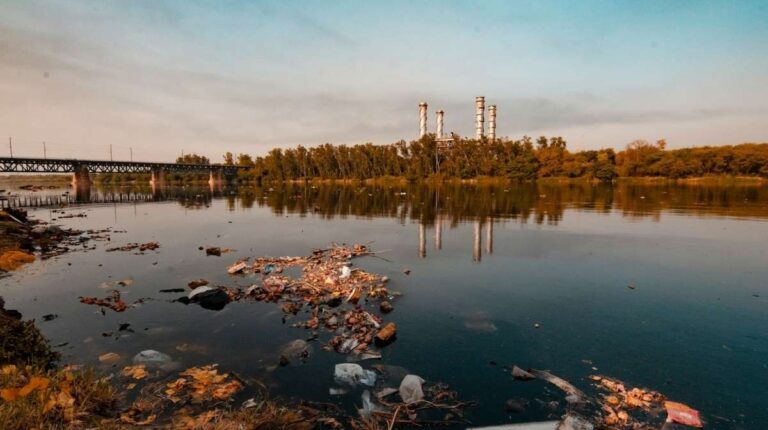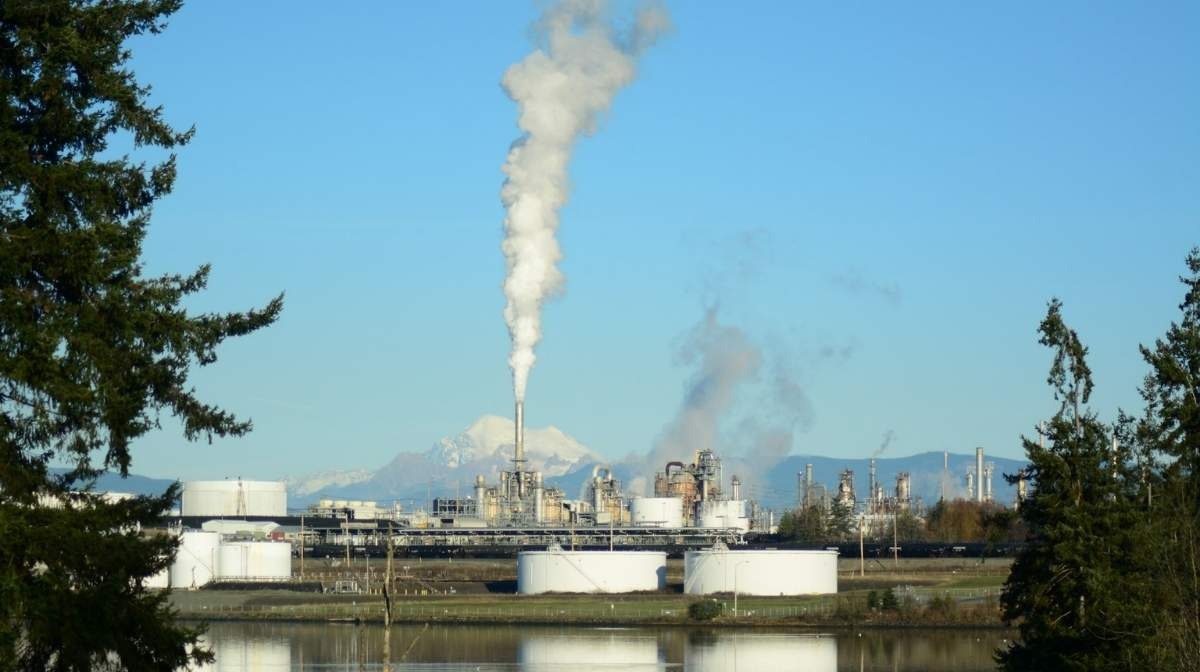
Methane pollution is one of the most urgent yet underestimated environmental threats facing humanity right now. While carbon dioxide gets most of the attention in climate conversations, methane traps far more heat in the atmosphere over shorter timeframes and plays a direct role in worsening air quality, crop losses, and public health crises. According to the International Energy Agency (IEA), methane is responsible for roughly 30% of the rise in global temperatures since the Industrial Revolution. IEA If the world wants to slow down warming quickly, tackling methane emissions is the single fastest lever available.
This guide breaks down everything you need to know about methane pollution, from where it comes from and why it matters, to the technologies and policies that can bring emissions down. Whether you are a student, a policymaker, or simply someone who wants to understand the climate conversation better, this article covers it all.
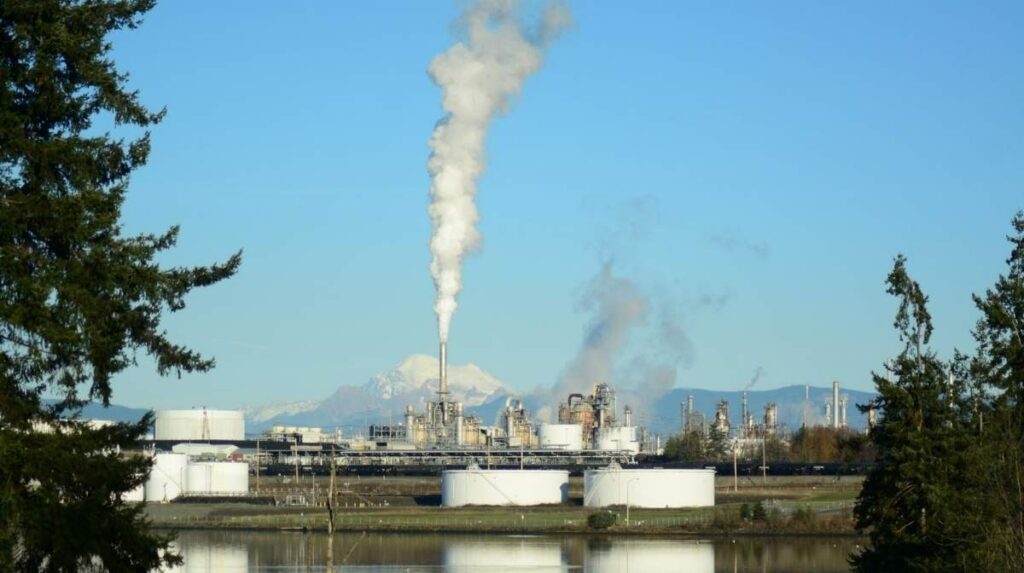
Topical Range: This article covers methane emission sources, atmospheric science, public health impacts, agricultural methane, fossil fuel sector emissions, waste sector contributions, satellite monitoring technology, global policy frameworks, reduction strategies, and economic implications of methane abatement.
What Is Methane Pollution and Why Does It Matter?
Methane pollution refers to the release of methane gas (CH4) into the atmosphere from both natural processes and human activities. Methane is a greenhouse gas that is far more potent than carbon dioxide at trapping heat, even though it stays in the atmosphere for a shorter period of roughly 12 years.
The concentration of methane in the atmosphere is now more than two and a half times above pre industrial levels, and atmospheric records show that methane concentrations have been climbing faster than those of all other major greenhouse gases. IEA This rapid growth is alarming because even though methane eventually breaks down, its short term warming power is enormous.
What makes methane especially dangerous is its dual threat. Beyond warming the planet, methane acts as a major precursor to ground level ozone, a toxic air pollutant that harms human health, damages agriculture, and degrades ecosystems. Climate and Clean Air Coalition
Major Sources of Methane Emissions
Methane emissions come from three primary sectors: agriculture, fossil fuels, and waste management. Understanding where the gas originates is the first step toward reducing it.
Agriculture and Livestock
The agricultural sector is the largest single contributor to human caused methane releases. Agriculture accounts for over 40% of global anthropogenic methane emissions. Climate and Clean Air Coalition Livestock, particularly cattle, sheep, and goats, produce methane during digestion through a process called enteric fermentation. Rice paddies also generate significant methane because flooded fields create the oxygen free conditions where methane producing bacteria thrive.
Manure storage and handling add to the problem. When animal waste decomposes in lagoons or enclosed tanks, it releases large volumes of methane. Improving feed quality, investing in animal health, and adopting techniques like alternate wetting and drying in rice cultivation are all proven strategies for cutting agricultural methane.
Fossil Fuel Extraction and Distribution
The fossil fuel sector is responsible for nearly one third of methane emissions from human activity, and record production of oil, gas, and coal has kept emissions above 120 million tonnes annually. IEA Methane escapes during drilling, processing, transportation, and storage of natural gas, oil, and coal.
Leaks from aging pipelines, deliberate venting during maintenance, and routine flaring that fails to fully combust the gas are all significant contributors. Data from MethaneSAT and MethaneAIR instruments has revealed that actual emissions from U.S. oil and gas basins may be over four times higher than official EPA estimates. MethaneSAT This gap between reported and actual emissions highlights the urgent need for better monitoring.
Waste and Landfills
The waste sector contributes roughly 20% of total human caused methane emissions. Climate and Clean Air CoalitionWhen organic waste such as food scraps, paper, and yard trimmings ends up in landfills, it decomposes in oxygen poor conditions and produces methane. Wastewater treatment facilities also release the gas during the breakdown of sewage.
The waste sector is projected to grow as populations expand and urbanize, making early investment in landfill gas capture and composting programs especially important.
How Methane Pollution Affects Human Health
Methane does not just warm the planet. It triggers a chain of events that directly impacts the health of millions of people worldwide.
Through its contribution to ground level ozone formation, methane is linked to roughly 1 million premature respiratory deaths globally each year. Climate and Clean Air Coalition Ozone at ground level is not the protective ozone layer high in the stratosphere. Instead, it is a harmful pollutant that irritates the lungs, aggravates asthma, and contributes to cardiovascular disease.
Methane is also frequently released alongside other toxic air pollutants such as benzene, toluene, and xylene, which worsen respiratory conditions and increase cancer risk in nearby communities. Environmental Defense Fund People living close to oil and gas infrastructure, landfills, or large livestock operations face the highest exposure.
The 2025 Global Methane Status Report warns that without further action, the economic damage from adverse health, agricultural, and labor impacts of rising methane emissions could reach approximately US$43 billion by 2030. Climate and Clean Air Coalition
Children, elderly individuals, and pregnant women are particularly vulnerable to the effects of methane related air pollution. Heat waves intensified by methane driven warming also increase the risk of heat stroke, dehydration, and other heat related illnesses.
Satellite Technology and Monitoring Breakthroughs
One of the most exciting developments in the fight against methane pollution is the rise of satellite based detection systems.
Today there are more than 25 satellites in orbit capable of providing insights on methane emissions, and new instruments like MethaneSAT and Tanager 1 became operational in 2024 with highly sensitive detection thresholds and high resolution data. IEA These tools can pinpoint individual leak sources from space, allowing regulators and companies to identify and fix problems much faster than ground based inspections alone.
Data from MethaneSAT has shown that dispersed sources emitting less than 500 kilograms of methane per hour are responsible for a significant share of total emissions in major oil and gas producing regions. IEA This finding is important because it means that fixing a few large leaks is not enough. Thousands of smaller sources also need attention.
Organizations like the Environmental Defense Fund and Carbon Mapper are using this satellite data to hold companies and governments accountable. As monitoring technology improves, it becomes harder for polluters to hide behind inaccurate self reported numbers.
Global Policies and the Methane Pledge
International cooperation is essential for tackling a problem as widespread as methane pollution.
The Global Methane Pledge, launched at COP26 in 2021, brought together over 150 countries with a shared goal of cutting methane emissions by at least 30% from 2020 levels by 2030. However, the 2025 Global Methane Status Report found that based on current national policies, the world is on track for only an 8% net reduction by 2030, far short of the 30% target. Euronews
The report notes that while projected 2030 emissions under current legislation are lower than earlier forecasts thanks to a combination of national policies and market shifts, only full scale implementation of proven control measures will close the gap to the Pledge target. Climate and Clean Air Coalition
The European Union adopted its methane regulation in 2024, which sets requirements for leak detection and repair in the oil and gas sector and establishes methane performance standards for imported gas. Several other nations have introduced or strengthened their own methane regulations, but enforcement remains inconsistent.
Proven Solutions to Reduce Methane Pollution
The good news is that the tools to dramatically cut methane emissions already exist, and many of them are remarkably affordable.
In the Energy Sector
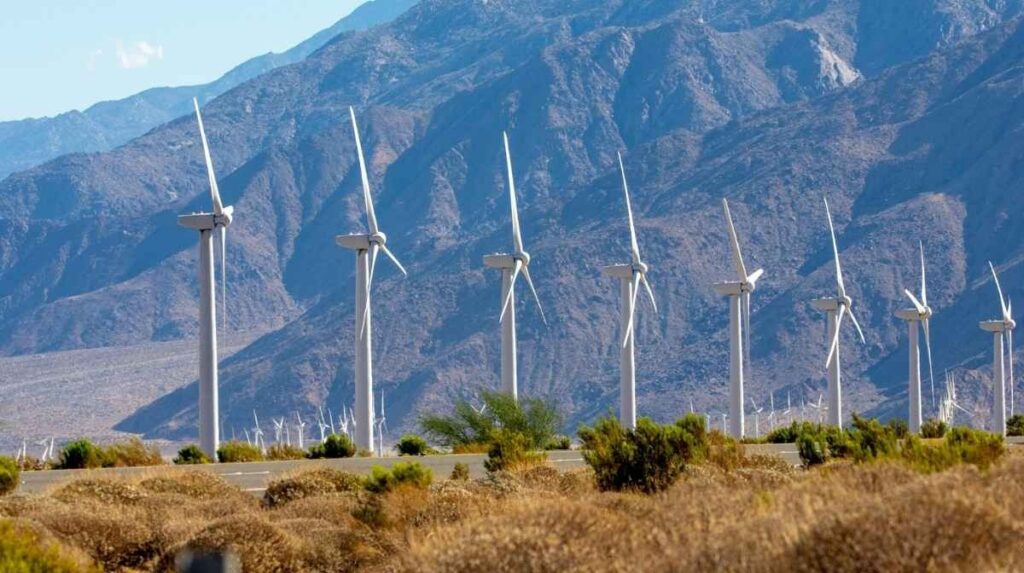
Leak detection and repair (LDAR) programs can identify and fix methane leaks across oil and gas infrastructure. Replacing outdated equipment like pneumatic controllers and compressor seals with low emission alternatives is another straightforward fix. The IEA estimates that solutions to lower methane emissions from fossil fuels to near zero already exist. IEA Many of these measures pay for themselves because the captured gas has market value.
In Agriculture
Improving livestock feed with additives that reduce enteric fermentation is a growing area of research. Better manure management, including covered lagoons and anaerobic digesters that capture methane for energy, offers dual benefits. For rice farming, full implementation of alternate wetting and drying cultivation could reduce rice production methane by 20 to 30%. Climate and Clean Air Coalition
In Waste Management
Separating organic waste from landfills through composting and food waste diversion programs is one of the most effective strategies. Installing gas capture systems at existing landfills converts methane into usable energy. Upgrading wastewater treatment plants with anaerobic digestion technology can also make a significant dent in emissions.
The Economic Case for Methane Reduction
Reducing methane pollution is not only good for the climate and public health. It also makes strong economic sense.
The Climate and Clean Air Coalition estimates that the societal benefits of methane abatement are worth approximately $4,300 per tonne of methane reduced. Climate and Clean Air Coalition These benefits include avoided healthcare costs, improved crop yields, and reduced climate damage. Many methane reduction measures in the oil and gas sector actually generate a net financial return because the captured gas can be sold.
Despite these attractive economics, the IEA notes that companies sometimes fail to invest in abatement because of competing priorities, lack of awareness about the scale of the problem, or difficulties securing upfront capital, especially in developing economies. IEA
Closing these investment gaps through targeted financing, technical assistance, and clear regulatory signals will be critical in the years ahead.
Conclusion
Methane pollution is a climate emergency hiding in plain sight. It warms the planet at an alarming rate, poisons the air in vulnerable communities, and threatens food security around the world. But unlike many environmental challenges, this one comes with a clear and achievable playbook. The technologies, policies, and economic incentives to slash methane emissions are already available. What is needed now is the political will, corporate accountability, and public awareness to deploy them at scale.
If you found this article helpful, consider sharing it with your network. The more people understand methane pollution, the louder the demand for action becomes.
What is methane pollution and where does it come from?
Methane pollution is the release of methane gas into the atmosphere, primarily from agriculture, fossil fuel operations, and waste decomposition. Livestock farming, oil and gas extraction, coal mining, and landfills are the biggest human caused sources. Natural sources like wetlands and volcanic activity also contribute, but human activities account for roughly two thirds of total emissions.
Why is methane worse than carbon dioxide?
Methane traps significantly more heat per molecule than carbon dioxide over shorter time periods. While it breaks down in the atmosphere after about 12 years compared to centuries for CO2, its warming power during that time is roughly 80 times greater on a 20 year scale. This means reducing methane delivers faster climate benefits than cutting CO2 alone.
How does methane pollution affect human health?
Methane contributes to the formation of ground level ozone, a toxic pollutant that causes respiratory illness, aggravates asthma, and leads to premature death. Methane sources also release harmful co pollutants like benzene and volatile organic compounds. Communities near oil and gas facilities, landfills, and large farms face the greatest health risks.
What is the Global Methane Pledge?
The Global Methane Pledge is an international agreement launched at COP26 in 2021, in which over 150 countries committed to reducing methane emissions by at least 30% from 2020 levels by 2030. While the pledge has sparked new policies and investments, current progress falls short of the target, and stronger enforcement is needed.
Can methane pollution actually be reduced quickly?
Yes. Because methane has a relatively short atmospheric lifetime, cutting emissions produces measurable cooling within a decade. Many reduction technologies in the fossil fuel and waste sectors are already proven and cost effective. Agriculture presents more challenges, but improved livestock management and rice farming techniques can make meaningful contributions.
How are satellites helping track methane emissions?
Advanced satellites like MethaneSAT and Tanager 1 can detect methane plumes from space with high precision. These tools reveal leaks that ground based methods often miss and allow regulators to verify whether companies are meeting their emissions reduction commitments. Satellite monitoring is rapidly becoming the gold standard for methane accountability worldwide.