
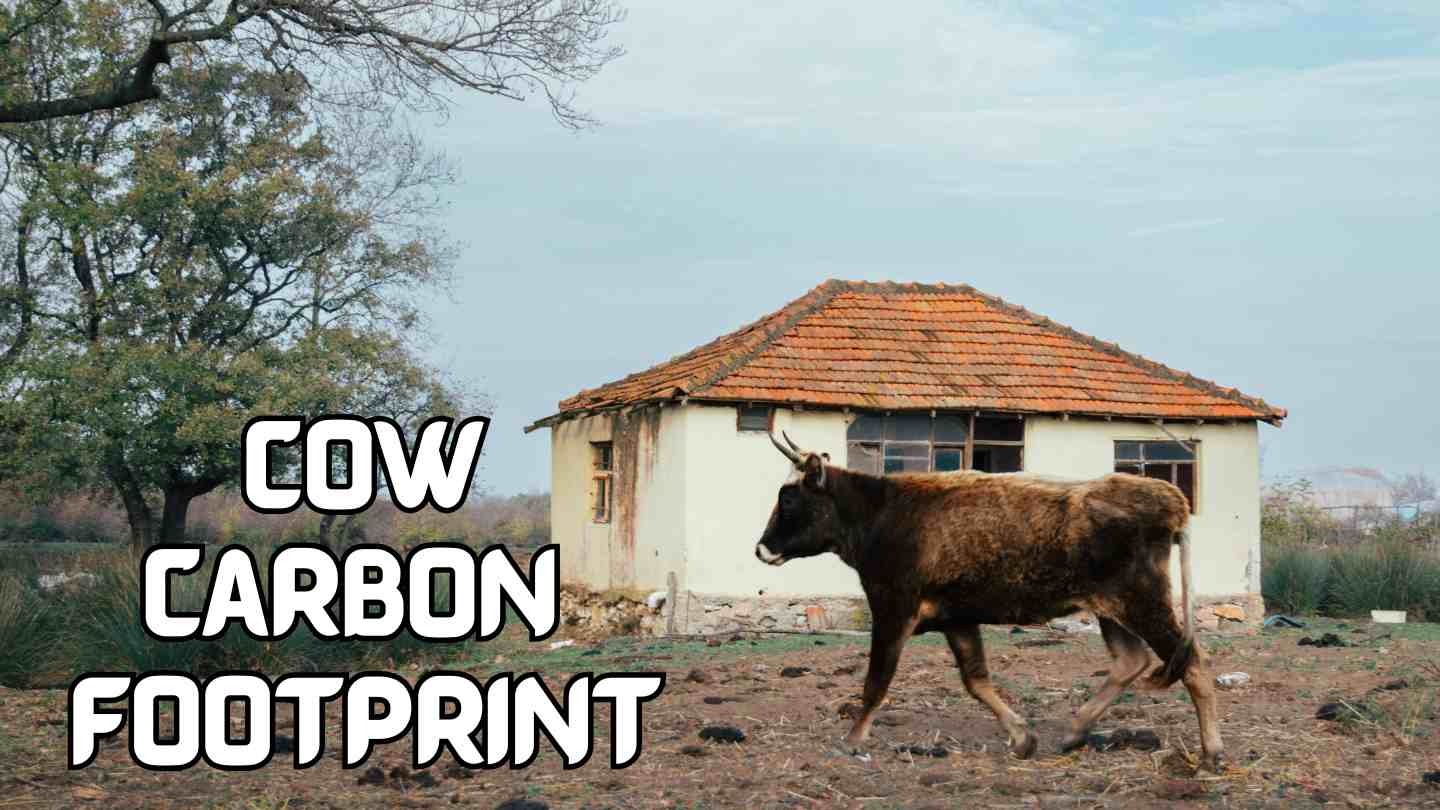
The cow carbon footprint plays a significant role in today’s climate change discussions, raising concerns about how everyday food choices affect the planet. From digestion-related emissions to manure management, cattle contribute greenhouse gases that influence global warming.
This article explores how livestock farming impacts the environment, focusing on methane production, land use, and resource consumption. It also highlights practical ways farmers and consumers can reduce emissions through sustainable agriculture, improved livestock management, and smarter climate change mitigation strategies.
By understanding the connection between cattle and greenhouse gas emissions, readers can make informed decisions that support environmental sustainability while balancing food production needs.
What Is the Cow Carbon Footprint?
The cow carbon footprint refers to the total amount of greenhouse gases released due to cattle farming activities. These emissions mainly include methane, carbon dioxide, and nitrous oxide, which significantly influence global warming. Cows produce methane during digestion through a process called enteric fermentation, while manure handling and feed production add further emissions. Understanding this footprint helps explain how livestock contributes to greenhouse gas emissions and why it is a key focus in climate discussions.
Historical Background of Cattle and Environmental Impact
Traditional Farming Practices
Historically, cattle were raised in small numbers using natural grazing systems. Emissions existed, but their impact was limited due to lower livestock populations and minimal industrial activity.
Rise of Industrial Livestock Farming
With growing global food demand, livestock farming became more intensive. Larger herds, increased feed production, and mechanized systems expanded the cow carbon footprint, linking cattle farming more closely to climate change and environmental stress.
Why the Cow Carbon Footprint Matters
The cow carbon footprint is significant because methane is far more potent than carbon dioxide in trapping heat. Even though it stays in the atmosphere for a shorter time, its warming effect is intense. Reducing emissions from cattle can deliver faster climate benefits compared to other sectors, making it an important area for climate change mitigation and environmental sustainability efforts.
Key Sources of Emissions in Cattle Farming
Enteric Fermentation
This natural digestive process in cows releases methane as a byproduct. It is the largest contributor to the cow carbon footprint globally.
Manure Management
Stored manure produces methane and nitrous oxide, especially when managed in liquid form. Improved systems can significantly reduce these emissions.
Feed Production and Land Use
Growing feed crops requires fertilizers, water, and land. Deforestation for grazing or feed increases carbon dioxide levels and harms sustainable agriculture goals.
Main Factors That Influence the Cow Carbon Footprint
- Type of feed and diet quality
- Herd size and productivity levels
- Manure storage and handling methods
- Land use practices and deforestation rates
- Energy use in farming operations
These factors show that emissions vary widely depending on farming systems and management choices.
Benefits of Reducing the Cow Carbon Footprint
Lowering the cow carbon footprint offers multiple advantages beyond climate protection. Farmers can improve efficiency, reduce costs, and enhance animal health while supporting long-term food security.
Environmental Benefits
Reducing methane supports greenhouse gas emissions reduction and protects ecosystems, soil quality, and water resources.
Economic Advantages
Efficient feeding strategies and better manure use can increase productivity and profitability for farmers.
Social and Ethical Gains
Climate friendly livestock systems align with consumer demand for responsible food production and strengthen trust in the agricultural sector.
Challenges in Managing the Cow Carbon Footprint
Despite available solutions, several obstacles slow progress.
- High costs of adopting new technologies
- Limited awareness among small scale farmers
- Regional differences in climate and resources
- Balancing productivity with emission reductions
- Policy and infrastructure limitations
Addressing these challenges requires cooperation between farmers, researchers, and policymakers.
How Emissions Reduction Strategies Work
Improved Feeding Practices
Adding high quality forages or specific supplements can reduce methane produced during digestion. This approach directly lowers the cow carbon footprint while improving milk and meat yields.
Better Manure Management Systems
Technologies like anaerobic digesters capture methane and convert it into renewable energy, supporting environmental sustainability.
Sustainable Grazing Methods
Rotational grazing improves soil carbon storage and reduces land degradation, aligning cattle farming with sustainable agriculture principles.
Types of Low Emission Cattle Farming Systems
Grass Fed Systems
These rely on natural grazing and often have lower input emissions, though results depend on land management quality.
Integrated Crop Livestock Systems
Combining crops and cattle improves nutrient cycling and reduces waste, helping manage the cow carbon footprint more effectively.
Technology Driven Systems
Precision farming tools monitor animal health, feed efficiency, and emissions, enabling data driven improvements.
Practical Tips for Reducing the Cow Carbon Footprint
- Optimize feed quality and digestibility
- Adopt efficient manure storage techniques
- Reduce herd emissions through better breeding
- Improve pasture management and soil health
- Use renewable energy sources on farms
These actions are scalable and can be adapted to farms of different sizes.
Comparison With Other Agricultural Emissions
While crops also contribute to emissions, the cow carbon footprint is often higher due to methane output. However, cattle can play a positive role when managed responsibly by recycling nutrients and supporting rural livelihoods. This balance highlights the importance of smart livestock management rather than elimination.
Final Thoughts on Sustainable Cattle Farming
Managing the cow carbon footprint is not about removing cattle from food systems but improving how they are raised. With informed choices, innovative practices, and supportive policies, cattle farming can move toward lower emissions while meeting global nutrition needs. This balanced approach strengthens climate change mitigation efforts and promotes a resilient agricultural future.
Conclusion
The cow carbon footprint explains how cattle farming contributes to climate change through methane emissions, land use, and resource consumption. This article covered its meaning, historical context, emission sources, challenges, and practical reduction strategies. Addressing this issue is vital for lowering greenhouse gas emissions, supporting sustainable agriculture, and strengthening climate change mitigation efforts. By improving livestock management, adopting smarter feeding practices, and using efficient manure systems, farmers can reduce environmental impact while maintaining productivity. Managing the cow carbon footprint is a key step toward a more balanced and environmentally responsible food system.