
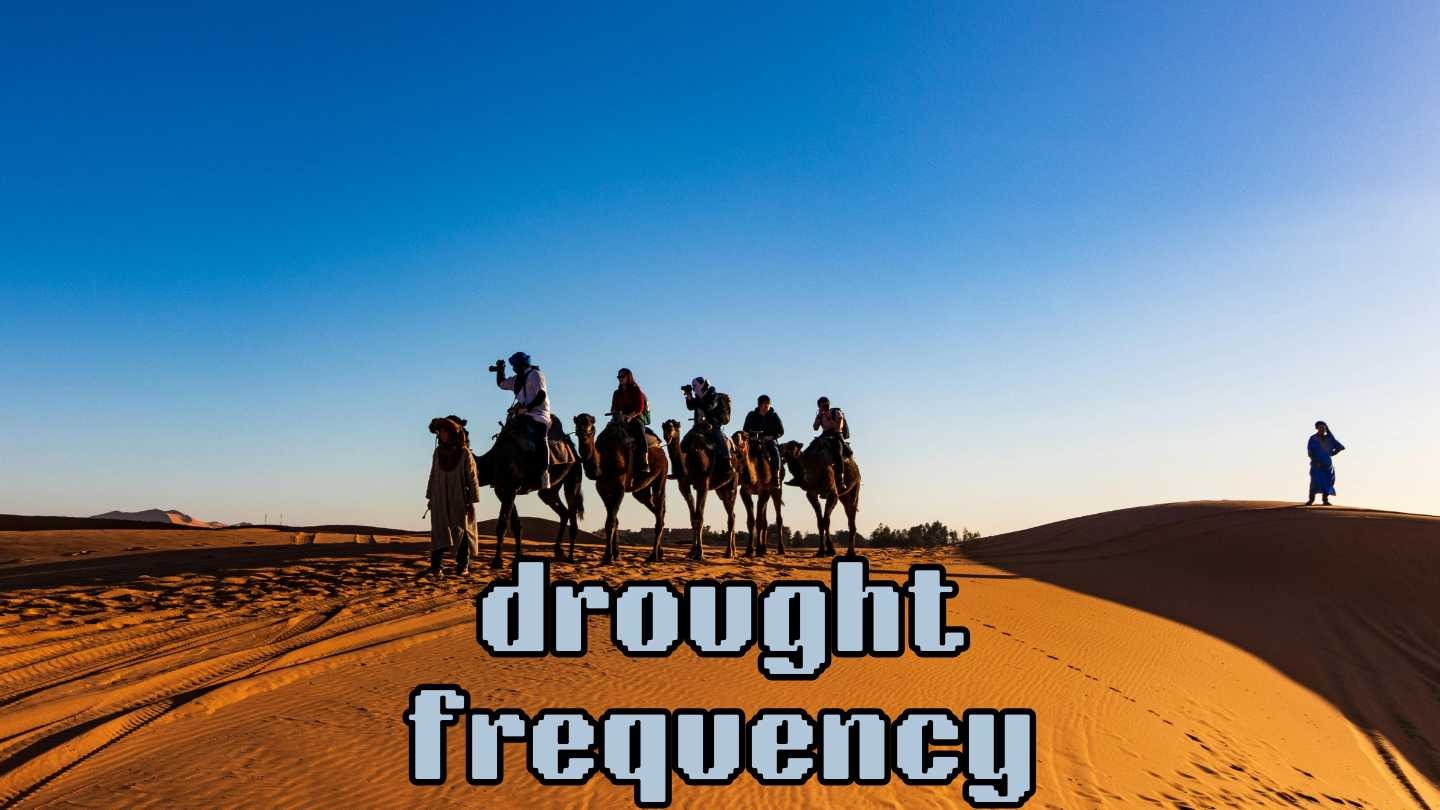
The increasing drought frequency is becoming a pressing concern for communities, agriculture, and ecosystems worldwide. Extended dry periods not only threaten water resources but also disrupt food security, soil health, and biodiversity.
This article explores the causes behind more frequent droughts, including climate change, shifting weather patterns, and human activities that exacerbate water scarcity. Readers will gain insights into how prolonged dry spells affect both urban and rural areas and learn about strategies for mitigation and sustainable resource management.
By understanding these patterns, individuals, policymakers, and farmers can better prepare for the challenges posed by evolving drought conditions and work toward resilience in vulnerable regions.
Understanding Drought Frequency
Droughts are prolonged periods of deficient rainfall that negatively impact the environment, agriculture, and human societies. Drought frequency refers to how often these dry periods occur in a specific region over a given timeframe. Understanding this concept is critical for water management, climate adaptation, and ensuring food security. Historically, some regions experienced droughts naturally at predictable intervals, but rising climate change factors have increased both the intensity and frequency of these events. Monitoring drought patterns allows governments and communities to implement strategies for risk reduction and sustainable resource management.
The Importance of Tracking Drought Frequency
Monitoring drought frequency is essential for planning and resilience. Regions with high drought occurrence face significant challenges in maintaining agricultural productivity, water supply, and ecosystem stability. By analyzing past and present patterns, policymakers can predict vulnerable areas, prioritize water distribution, and implement mitigation measures. Frequent droughts also affect economic stability, as sectors such as farming, energy, and forestry depend heavily on consistent water availability. Investing in early warning systems and climate-informed planning helps societies adapt to changing weather patterns and reduces long-term losses.
Causes of Increasing Drought Frequency
Several factors contribute to rising drought events.
- Climate Change: Rising global temperatures accelerate evaporation and reduce rainfall in already dry regions.
- Deforestation: Loss of forests disrupts the natural water cycle, decreasing soil moisture and precipitation levels.
- Overextraction of Water Resources: Excessive use of groundwater and surface water lowers regional resilience to dry spells.
- Urbanization: Expanding cities increase impervious surfaces, reducing water infiltration into the soil.
- Natural Variability: Ocean currents and atmospheric shifts can naturally influence weather patterns and drought events.
Understanding these causes allows for targeted interventions to reduce the impact of recurring droughts.
Types of Drought
Droughts are categorized based on their effects and origins:
Meteorological Drought
Occurs when rainfall is significantly below average over an extended period. Monitoring precipitation patterns helps in early identification.
Agricultural Drought
Affects crop yields and soil conditions due to insufficient moisture, impacting food production and livelihoods.
Hydrological Drought
Relates to reduced water levels in rivers, lakes, and reservoirs, affecting water supply and hydropower generation.
Socioeconomic Drought
Emerges when water scarcity begins to impact human activities and economic stability, emphasizing the need for resource management.
Impacts of Frequent Droughts
The consequences of high drought frequency are widespread and multifaceted:
-Reduced agricultural output leading to food shortages
-Increased soil degradation and desertification
-Strain on water supply for households and industries
-Loss of biodiversity and habitat disruption
-Economic losses in vulnerable sectors such as farming and energy
Communities with frequent droughts often face social and economic challenges that require both short-term relief and long-term planning.
Strategies to Mitigate Drought Frequency
Reducing the impact of frequent droughts involves proactive planning and sustainable practices:
- Implement efficient irrigation techniques to conserve water.
- Promote afforestation and soil conservation to maintain natural moisture.
- Invest in rainwater harvesting and storage infrastructure.
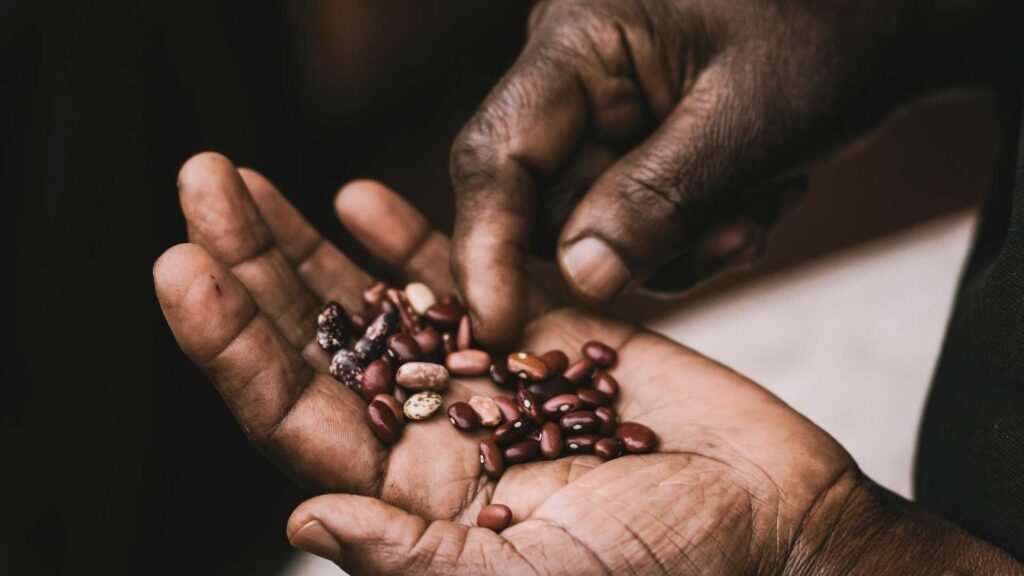
- Adopt drought-resistant crops and sustainable agricultural methods.
- Develop early warning systems and community awareness programs.
These strategies not only reduce vulnerability but also enhance resilience against future dry periods.
Case Studies and Examples
Regions such as the Horn of Africa and parts of Australia have experienced increasingly frequent droughts over the past decades. Studies show that combining climate modeling, water management, and sustainable agriculture can mitigate the worst impacts. For instance, adopting drought-resistant crop varieties in sub-Saharan Africa has significantly improved food security, while integrated water management in Australia has optimized urban water use during dry periods. Such examples demonstrate how understanding drought frequency translates into practical solutions for communities globally.
Recommendations
To address rising drought frequency, it is essential to combine scientific research, policy-making, and community involvement. Governments should prioritize climate adaptation, implement sustainable water management, and invest in infrastructure for risk reduction. Public awareness campaigns, education, and technological innovations like remote sensing and drought monitoring tools can further strengthen resilience. Collaboration between scientists, policymakers, and local communities ensures that both environmental and socio-economic impacts are minimized.
Conclusion
Understanding drought frequency is crucial for building resilience against the growing challenges of water scarcity and climate variability. Frequent droughts affect agriculture, ecosystems, and economic stability, highlighting the need for effective water management and climate adaptation strategies. By identifying causes such as climate change, urbanization, and overextraction of resources, communities and policymakers can implement proactive measures like afforestation, rainwater harvesting, and adoption of drought-resistant crops. Addressing these challenges ensures sustainable food security, protects biodiversity, and strengthens preparedness for future dry periods, making it an essential priority for global well-being.