
The delicate dance between flowers and frost has fascinated gardeners for centuries, revealing nature’s remarkable resilience in the harshest conditions. Many people assume that freezing temperatures spell disaster for their beloved blooms, but the truth is far more nuanced and encouraging.
Cold climate gardening presents unique challenges that require understanding plant hardiness, seasonal timing, and proper winter protection techniques. Whether you’re nurturing perennials through harsh winters or experimenting with frost-tolerant varieties, success depends on working with nature rather than against it.
This comprehensive guide explores how certain plants not only survive but thrive when temperatures plummet. You’ll discover practical strategies for freeze prevention, learn which cold-hardy flowers deserve a spot in your garden, and understand the science behind plant dormancy. By the end, you’ll approach winter gardening with confidence and newfound appreciation for nature’s adaptability.
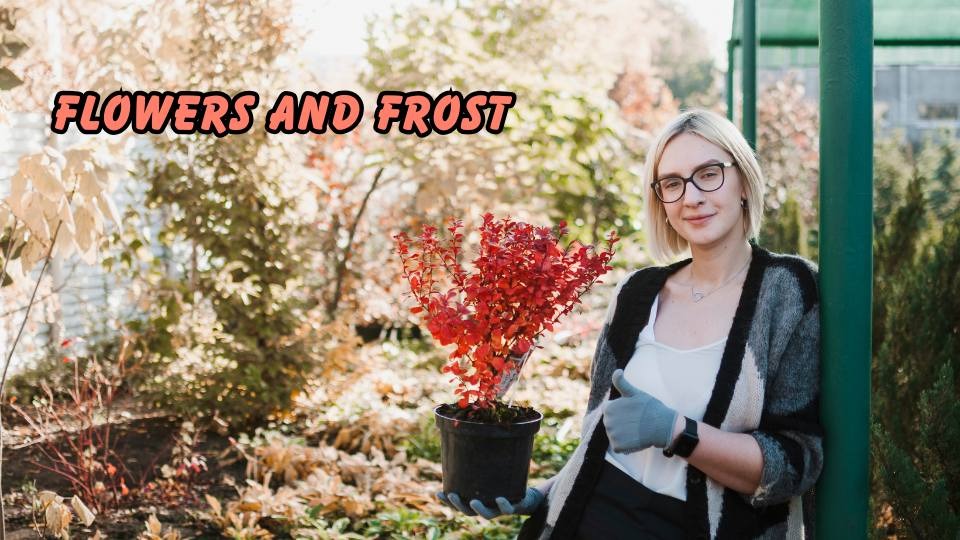
What Are Flowers and Frost: Understanding the Basics
When flowers and frost meet, a complex biological process unfolds that determines whether your plants survive or succumb to winter’s grip. Frost occurs when water vapor in the air freezes on surfaces, forming ice crystals that can penetrate plant cell walls and cause irreversible damage.
Understanding this relationship is fundamental to cold climate gardening success. Plants respond to freezing temperatures through various mechanisms, including producing natural antifreeze compounds and entering protective dormancy states. The interaction between flowers and frost isn’t always destructive; many species have evolved remarkable adaptations that allow them to flourish despite challenging conditions.
How Frost Affects Plant Biology
Cold temperatures trigger significant changes within plant tissues. When ice crystals form inside cells, they expand and rupture delicate membranes, leading to wilting and death. However, frost hardy plants store sugars that lower their freezing point, protecting vital structures from ice damage.
The History and Significance of Cold Climate Gardening
Gardeners have battled freezing temperatures for thousands of years, developing ingenious methods to protect their crops and ornamental plants. Ancient civilizations used straw mulching, protective walls, and strategic planting locations to shield vulnerable flowers and frost sensitive varieties from winter’s harsh effects.
Today, understanding how flowers and frost interact remains essential for gardeners worldwide. Climate zones help identify which plants naturally withstand local conditions, while breeding programs continue developing increasingly resilient varieties.
Why This Knowledge Matters
Mastering the relationship between flowers and frost empowers you to extend growing seasons, reduce plant losses, and create stunning year round gardens. This expertise saves money, reduces frustration, and transforms your outdoor space into a thriving ecosystem regardless of temperature extremes.
Types of Frost and Their Impact on Gardens
Not all frost affects your garden equally. Understanding different frost types helps you implement appropriate protection strategies.
Radiation Frost
This common frost type occurs on clear, calm nights when heat radiates from the ground into the atmosphere. Plants exposed to open sky suffer most, while those beneath tree canopies or near structures often escape damage.
Advection Frost
Advection frost arrives with cold air masses moving through an area. This frost type proves more challenging because wind prevents the formation of protective warm air pockets around plants. Even sheltered flowers and frost resistant varieties may struggle during severe advection events.
Key Features of Frost Tolerant Flowers
Certain plant characteristics indicate superior cold hardiness and winter survival capabilities.
- Thick waxy leaf coatings that prevent moisture loss and ice penetration
- Deep root systems that access unfrozen soil moisture and nutrients
- Flexible stems that bend rather than snap under snow weight
- Natural dormancy triggers that shut down growth before freezing arrives
- Dense crown structures that insulate vital growing points from extreme cold
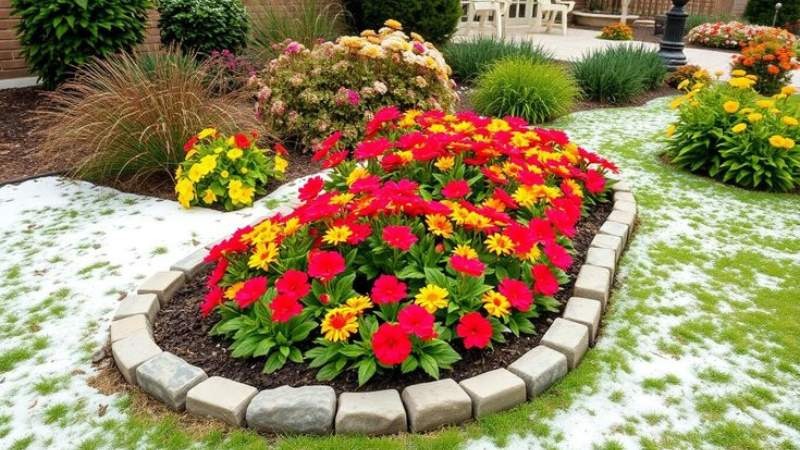
Benefits of Growing Cold Hardy Varieties
Choosing frost tolerant plants offers numerous advantages for dedicated gardeners seeking reliable beauty throughout challenging seasons.
Extended Blooming Seasons
Many cold hardy flowers bloom earlier in spring and later into autumn, dramatically extending your garden’s colorful display. Pansies, hellebores, and ornamental kale provide stunning visual interest when other plants remain dormant.
Reduced Maintenance Requirements
Frost resistant perennials require less protective intervention, saving you time and effort. These resilient plants return faithfully each year without extensive winterization procedures.
Cost Savings Over Time
Investing in hardy varieties eliminates repeated replacement costs associated with tender plants that perish during harsh winters. Your initial investment yields returns for many seasons.
Practical Tips for Protecting Your Garden
Successfully managing flowers and frost requires implementing proven protection strategies before temperatures drop.
Mulching Techniques
Apply three to four inches of organic mulch around plant bases after the ground freezes. This insulation prevents damaging freeze and thaw cycles that heave roots from soil.
Strategic Plant Placement
Position vulnerable plants near south facing walls that absorb and radiate heat. Avoid low lying areas where cold air naturally settles on calm winter nights.
Proper Watering Practices
Hydrated plants withstand cold better than stressed, dry specimens. Water thoroughly before expected freezes, as moist soil retains heat more effectively than dry ground.
Common Challenges and How to Overcome Them
Even experienced gardeners face obstacles when flowers and frost collide unexpectedly.
Late spring freezes catch emerging growth unprepared, often causing more damage than deep winter cold. Keep frost blankets ready and monitor weather forecasts closely during transitional seasons. Container plants prove especially vulnerable since their roots lack ground insulation; move pots to protected locations or wrap them with insulating materials when temperatures threaten your carefully cultivated garden displays.
Conclusion
Mastering the relationship between flowers and frost transforms challenging cold climate gardening into a rewarding experience. Throughout this guide, you’ve discovered how frost affects plant biology, learned about cold hardy varieties, and explored practical winter protection strategies that safeguard your garden investment.
Understanding how flowers and frost coexist empowers you to make informed decisions about plant selection, placement, and seasonal care. By choosing frost tolerant perennials, implementing proper mulching techniques, and monitoring weather conditions, you’ll enjoy beautiful blooms despite freezing temperatures.
Embrace winter gardening confidently, knowing that nature’s resilience combined with your newfound knowledge creates stunning, thriving gardens year round.