
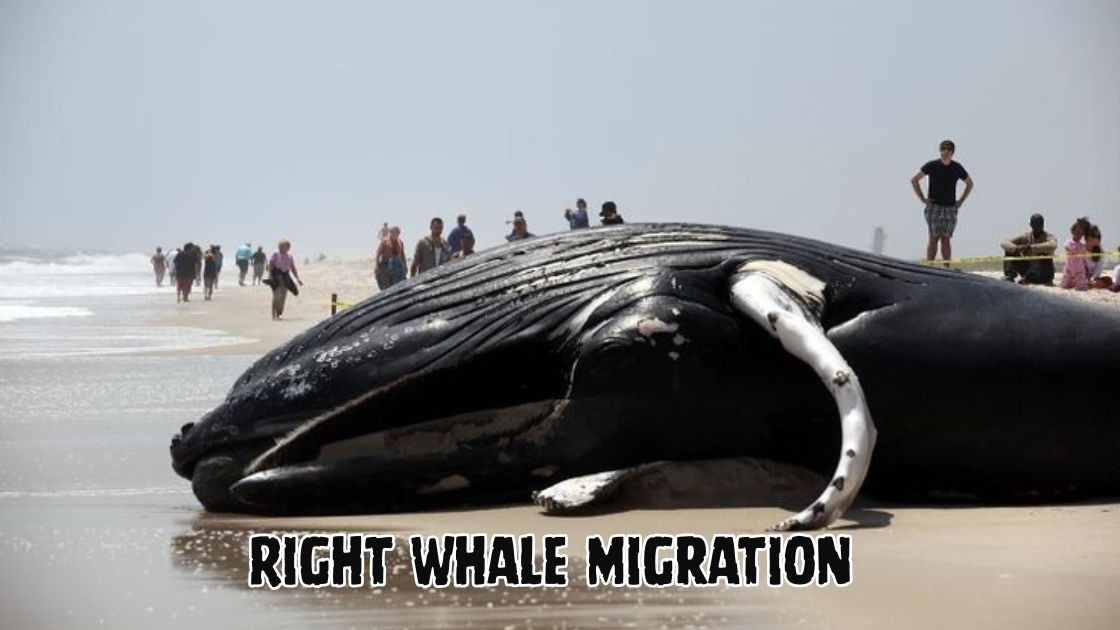
Every year, right whale migration takes these magnificent creatures on an epic 1,000-mile journey along the Atlantic coastline, from the feeding grounds of New England and Canada to the warm calving waters off Georgia and Florida. Yet this ancient voyage has become increasingly perilous for one of the world’s most endangered marine mammals.
With fewer than 400 North Atlantic right whales remaining, protecting their travel routes has never been more urgent. Vessel strikes and entanglement in fishing gear represent the leading causes of death for these critically endangered whales. Climate change is further complicating conservation efforts by pushing whales into unprotected waters where they face heightened risks.
This article explores the threats endangering right whale populations during their seasonal journeys and examines the protective measures being implemented to safeguard their blue corridors for future generations.
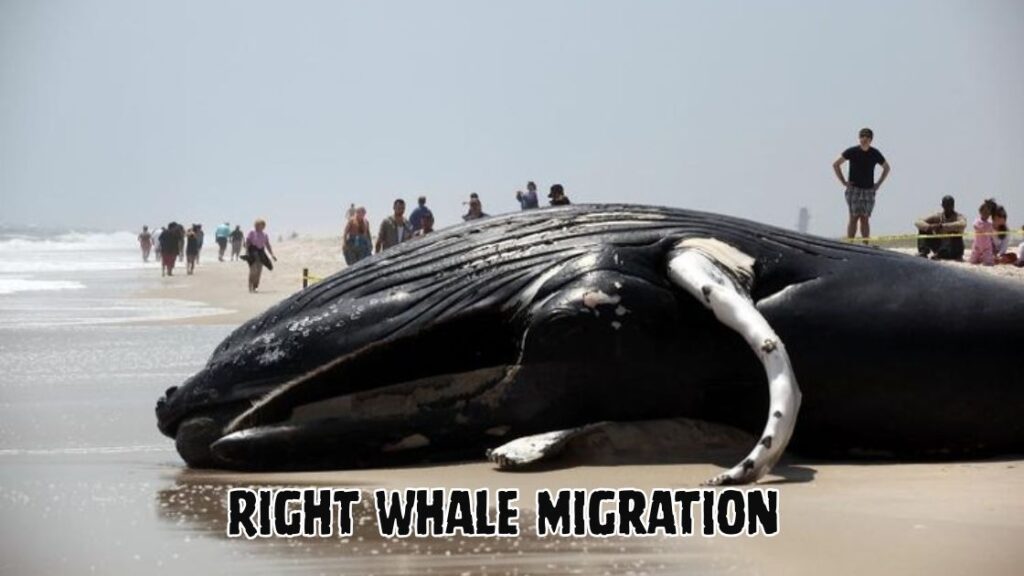
Understanding the North Atlantic Right Whale Migration
The North Atlantic right whale undertakes one of the most remarkable seasonal movements in the marine world. These baleen whales spend spring and summer months feeding on dense concentrations of zooplankton in the nutrient-rich waters of the Gulf of Maine, Cape Cod Bay, and the Bay of Fundy. As temperatures drop, pregnant females begin their southward voyage to the shallow coastal waters stretching from South Carolina to northeastern Florida.
This right whale migration pattern has remained consistent for thousands of years, yet the routes these whales travel have become increasingly dangerous. Newborn calves lack the insulating blubber layer needed to survive in cold northern waters, making the warm southeastern calving grounds essential for their survival during the first weeks of life.
Why Migration Corridors Matter for Whale Conservation
Migration corridors serve as the lifelines connecting critical habitats for endangered whale species. These pathways are not random but represent generations of learned behavior passed from mothers to calves. The significance of protecting these routes extends beyond individual whales to the health of entire ocean ecosystems.
Right whales play a vital role in marine nutrient cycling. Their feeding and waste patterns help fertilize ocean waters, supporting the food chain from microscopic plankton to large predatory fish. When right whale migration is disrupted or populations decline, these ecological benefits diminish across vast stretches of the Atlantic.
Primary Threats Along Migration Routes
Vessel Strikes and Shipping Traffic
Commercial shipping lanes frequently overlap with areas where migrating right whales concentrate. These slow-moving whales often swim just below the surface, making them vulnerable to collisions with large vessels traveling at high speeds. The impact from a cargo ship or tanker can cause fatal injuries including fractured skulls, severed spinal cords, and massive internal bleeding.
Research indicates that vessel strikes account for approximately 40 percent of documented right whale deaths. The problem intensifies as global shipping traffic continues expanding along the Atlantic seaboard. Whales traveling through busy port approaches near Boston, New York, and Savannah face particularly elevated collision risks.
Fishing Gear Entanglement
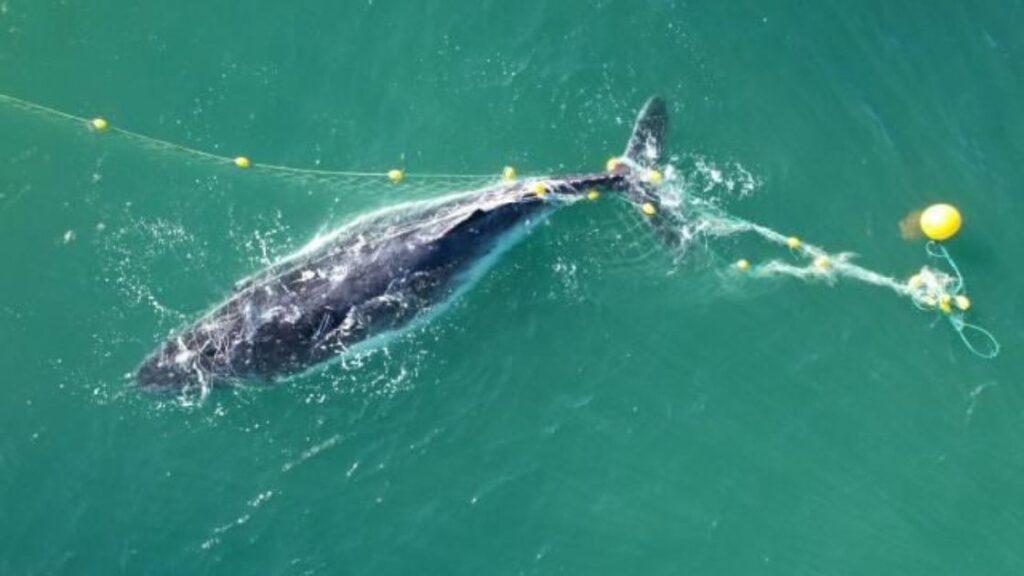
Vertical fishing lines connecting lobster and crab traps to surface buoys create invisible hazards for migrating whales. When a right whale swims into this gear, the ropes can wrap around flippers, tails, or mouths. Severely entangled whales may drown immediately, while others endure prolonged suffering as lines cut deeper into their flesh over months or years.
Studies show that more than 80 percent of right whales bear scars from previous entanglement events. The chronic stress and energy drain from dragging heavy fishing equipment weakens whales, reduces reproductive success, and shortens lifespans considerably.
Conservation Measures Protecting Whale Pathways
Government agencies and conservation organizations have implemented multiple strategies to reduce mortality during right whale migration seasons.
Current protective measures include:
- Seasonal Management Areas requiring vessels 65 feet and longer to slow to 10 knots or less in designated zones along the migration route
- Dynamic Management Areas triggered when whale concentrations are detected, creating temporary slow zones for 15 days
- Mandatory 500-yard approach distances for all vessels, paddleboards, and aircraft including drones
- Fishing gear modifications requiring weak links and specific breaking strengths to allow whales to break free
- Expanded closed areas prohibiting vertical buoy lines in critical habitat regions
The Role of Climate Change
Warming ocean temperatures are reshaping traditional right whale migration patterns in concerning ways. The Gulf of Maine is heating faster than nearly any other marine environment on Earth, causing zooplankton populations to shift northward. Whales following their prey into Canadian waters and previously unused areas encounter fewer protections.
Scientists have documented right whales arriving in Cape Cod Bay earlier each spring and venturing into regions lacking established safety protocols. This behavioral adaptation creates management challenges as right whale migration becomes less predictable.
How Technology Supports Protection Efforts
Modern monitoring systems help researchers track whale movements in near real-time. Acoustic buoys detect right whale vocalizations and alert authorities when animals enter shipping channels. Aerial surveys and satellite tagging provide additional data on right whale migration timing and route preferences.
These technological advances enable dynamic management responses, allowing officials to implement temporary protections precisely where whales are present rather than relying solely on historical patterns that may no longer reflect current behavior.
Conclusion
The survival of North Atlantic right whales depends on our commitment to protecting their ancient travel routes from human-caused threats. With fewer than 400 individuals remaining, every whale lost to vessel strikes or fishing gear entanglement pushes this critically endangered species closer to extinction.
Effective right whale migration protection requires continued collaboration between government agencies, shipping industries, fishing communities, and conservation organizations. By implementing stronger speed restrictions, developing whale-safe fishing gear, and adapting management strategies to address climate-driven habitat shifts, we can help ensure these magnificent marine mammals continue their remarkable right whale migration journeys for generations to come.