
Moving abroad with my two beloved dogs taught me that animal immigration isn’t just paperwork it’s an emotional rollercoaster filled with unexpected hurdles and sleepless nights.
When my family decided to relocate from Pakistan to Canada, I naively assumed bringing our pets would be the easy part. I was wrong. The maze of pet import requirements, veterinary health certificates, quarantine regulations, and CITES documentation quickly overwhelmed me. Each country had different rules, and missing even one vaccination record could mean my dogs getting denied entry at the border.
This article shares my complete journey through the international pet relocation process. You’ll discover the customs clearance procedures I navigated, the costly mistakes I made, and the rabies vaccination timelines that nearly derailed everything. Whether you’re planning a similar move or simply curious about what’s involved, my experience will help you prepare for what lies ahead.
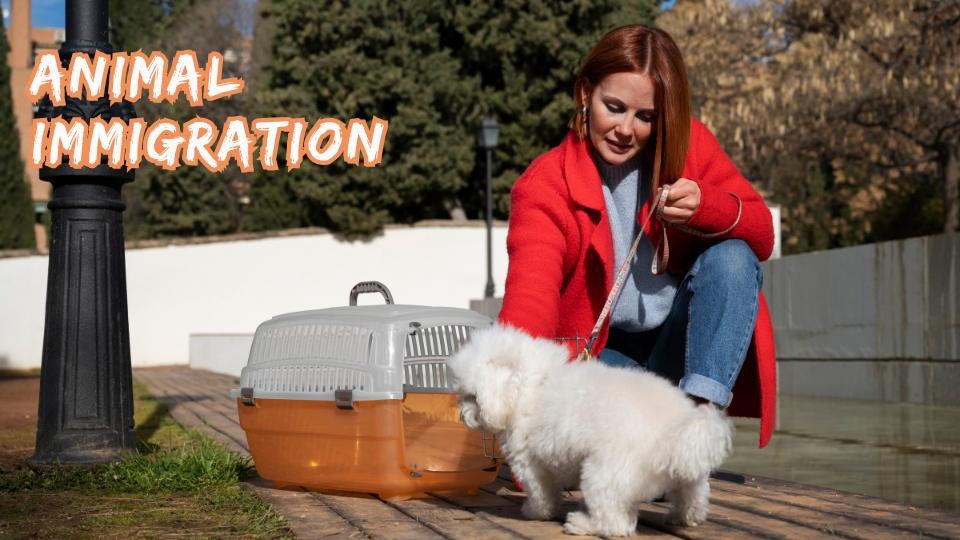
Understanding Animal Immigration: What Every Pet Owner Should Know
Animal immigration refers to the legal process of transporting pets and wildlife across international borders while complying with each country’s health, safety, and customs regulations. Before my move, I had no idea how complex this system truly was.
Every nation maintains strict pet import laws to prevent disease transmission, protect native ecosystems, and ensure animal welfare. These regulations vary dramatically depending on your destination country, the species you’re transporting, and your country of origin. Understanding this framework early saved me from potential heartbreak at the airport.
Why Animal Immigration Regulations Exist
Governments enforce animal immigration rules for several critical reasons. Disease prevention sits at the top of this list. Rabies, avian influenza, and other zoonotic diseases can devastate both human and animal populations if introduced to new regions.
Additionally, these regulations protect local wildlife from invasive species and ensure transported animals receive humane treatment throughout their journey. The CDC import requirements and USDA APHIS guidelines I encountered weren’t bureaucratic obstacles but genuine safeguards designed to protect everyone involved.
My Step-by-Step Journey Through the Pet Relocation Process
Initial Research and Documentation Gathering
My animal immigration journey began six months before our departure date. I quickly learned that starting early wasn’t optional but absolutely essential for international pet travel.
The first step involved contacting the destination country’s embassy and researching their specific pet entry requirements. Canada required an up-to-date rabies vaccination administered at least 30 days before arrival, a valid veterinary health certificate, and proof of microchip identification. Each document needed precise formatting and official veterinary signatures.
Veterinary Appointments and Health Certifications
Securing proper health documentation proved more challenging than anticipated. My regular veterinarian wasn’t USDA-accredited, meaning I needed to find a new vet authorized to issue international health certificates.
The process required multiple appointments spanning several weeks:
- Initial health examination and microchip verification for both dogs
- Blood titer tests to confirm adequate rabies antibody levels
- Updated vaccinations including distemper, parvovirus, and bordetella
- Final health certificate issuance within ten days of travel
- USDA endorsement of all documentation before departure
Missing any single appointment would have pushed back our entire timeline and potentially delayed our family’s move.
Navigating Airline Pet Policies
Beyond government animal immigration requirements, airline regulations added another layer of complexity to our journey. Each carrier maintains different rules regarding pet cabin travel, cargo transport, and breed restrictions.
I discovered that certain brachycephalic breeds face flight bans during summer months due to breathing difficulties at high altitudes. Temperature embargoes also restrict pet cargo transport when ground temperatures exceed specific thresholds. Booking our flights during mild weather months became non-negotiable.

Common Challenges in International Pet Relocation
Unexpected Costs and Financial Planning
The animal immigration process drained my wallet faster than I expected. Between veterinary appointments, government endorsement fees, airline pet charges, and specialized travel crates, expenses accumulated rapidly.
My total costs included examination fees, vaccination updates, microchipping, health certificate charges, USDA endorsement fees, airline cargo booking, and an IATA-approved travel kennel. Planning a dedicated budget for pet transport expenses prevents financial surprises during an already stressful relocation period.
Emotional Stress on Pets and Owners
Perhaps the most underestimated aspect of animal immigration involves the emotional toll on both animals and their families. My dogs experienced visible anxiety during their health examinations, and the separation during cargo transport felt agonizing.
Preparing pets gradually through crate training, maintaining familiar routines, and consulting veterinarians about travel anxiety solutions helped ease this transition. Some owners find that natural calming supplements or prescribed medications make the journey more comfortable for anxious animals.
Essential Tips From My Animal Immigration Experience
Documentation Best Practices
Proper paperwork management determines success or failure in animal immigration situations. I created multiple physical copies and digital backups of every document, organized chronologically in a dedicated folder.
Key tips that saved my sanity include:
- Start the documentation process at least four to six months in advance
- Verify destination country requirements directly through official government websites
- Confirm your veterinarian holds proper accreditation for international certificates
- Schedule USDA endorsement appointments well before your travel date
- Carry original documents in your hand luggage rather than checked baggage
Choosing the Right Pet Transport Method
Deciding between cabin travel, cargo transport, or professional pet relocation services depends on your animal’s size, temperament, and health status. Smaller dogs under airline weight limits can travel in cabin carriers beneath your seat, reducing separation anxiety significantly.
Larger pets require cargo transport in pressurized, climate-controlled compartments. For owners uncomfortable managing animal immigration logistics independently, professional pet shipping companies handle everything from documentation to airport delivery. This convenience comes at premium prices but offers peace of mind during complicated international moves.
Conclusion
Navigating animal immigration requirements transformed from an overwhelming challenge into a manageable process once I understood what each step involved. From gathering veterinary health certificates to meeting quarantine regulations and securing proper USDA endorsements, preparation made all the difference in our successful relocation.
My experience taught me that patience, thorough research, and early planning are essential for any international pet relocation journey. The emotional reunion with my dogs after their flight remains one of my most cherished memories.
Whether you’re moving for work, family, or adventure, understanding animal immigration procedures ensures your furry companions travel safely beside you. Start early, stay organized, and never underestimate the paperwork involved in bringing your beloved pets across borders.