
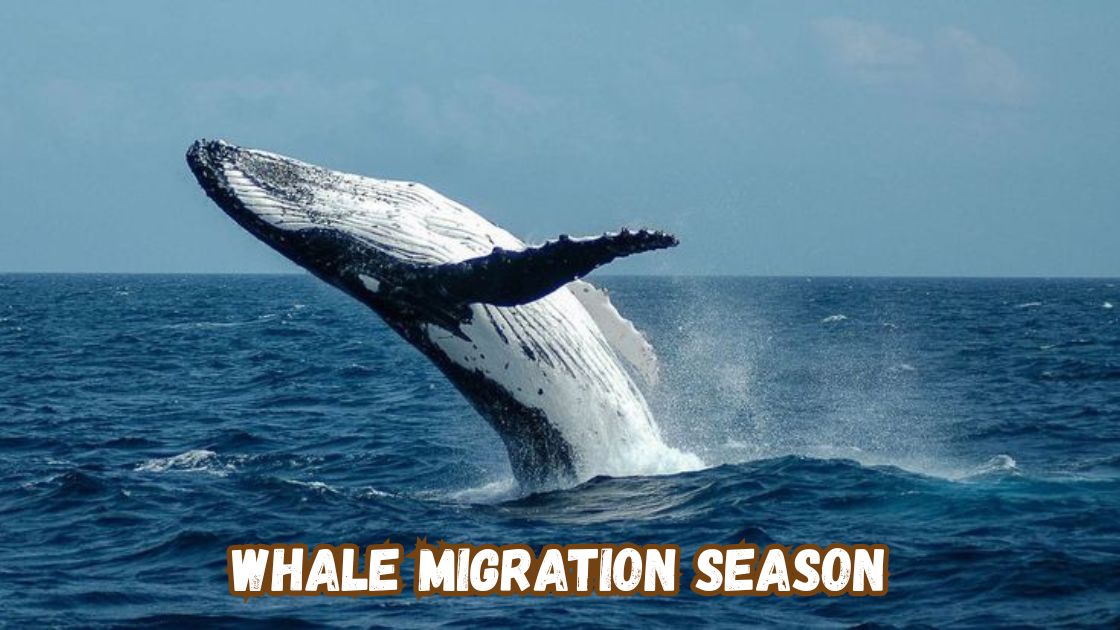
Every year, whale migration season draws thousands of travelers to coastlines around the world, hoping to witness one of nature’s most breathtaking spectacles. These magnificent marine giants travel thousands of miles between their feeding and breeding grounds, creating unforgettable opportunities for wildlife enthusiasts and adventure seekers alike.
Whether you dream of watching humpback whales breach off the Hawaiian coast or spotting gray whales along the Pacific shoreline, understanding when and where to go makes all the difference. This comprehensive guide covers everything you need to plan your perfect whale watching trip. You will discover the best whale watching destinations, peak viewing times, top migration routes, and essential travel tips to maximize your experience. From booking the right tour operators to knowing what gear to bring, we have got you covered for an extraordinary encounter with these gentle ocean giants.
What Is Whale Migration Season and Why Does It Happen
Whale migration season refers to the annual journey that various whale species undertake between their cold water feeding grounds and warm water breeding areas. This natural phenomenon occurs because whales need nutrient rich polar waters to feed during summer months, while warmer tropical waters provide safe environments for giving birth and nursing calves.
The timing of whale migration season varies depending on the species and hemisphere. In the Northern Hemisphere, most whales migrate southward between November and April. Southern Hemisphere whales travel northward during June through November. Understanding these patterns helps travelers plan their trips around peak whale activity periods.
The Science Behind Whale Migration Patterns
Whales possess an incredible internal navigation system that guides them across vast ocean distances. Scientists believe they use a combination of Earth’s magnetic field, ocean currents, water temperature, and even star positions to navigate. Some species travel up to 10,000 miles round trip, making whale migration one of the longest mammal migrations on the planet.
Best Whale Watching Destinations Around the World
Choosing the right destination significantly impacts your whale migration season experience. Different locations offer opportunities to see various species during specific times of the year.
North America’s Premier Whale Watching Spots
The Pacific Coast of North America provides exceptional whale watching opportunities throughout the year. California’s Monterey Bay attracts blue whales and humpbacks during summer, while gray whales pass by during winter months. Alaska’s Inside Passage offers remarkable humpback whale sightings from May through September.
Hawaii remains one of the most popular destinations during whale migration season, with thousands of humpback whales arriving between December and April. The warm Hawaiian waters serve as primary breeding grounds for North Pacific humpback populations.
International Destinations Worth Exploring
Beyond North America, several global destinations offer world class whale watching experiences:
- Baja California in Mexico hosts gray whale calving lagoons where whales approach boats closely
- Iceland and Norway provide opportunities to see orcas and humpbacks in stunning Arctic settings
- South Africa’s Hermanus coast is famous for southern right whale sightings from June to November
- Australia’s east coast sees humpback whales migrating between May and November
- New Zealand’s Kaikoura offers year round sperm whale viewing along with seasonal humpback migrations
Planning Your Whale Watching Trip
Proper planning ensures you maximize your chances of witnessing these majestic creatures during whale migration season. Several factors influence the success of your adventure.
Choosing the Right Time to Visit
Timing your visit correctly is crucial for whale watching success. Research the specific species you want to see and their migration schedules for your chosen destination. Peak season typically offers more frequent sightings, though shoulder seasons sometimes provide less crowded experiences.
Weather conditions also affect whale watching quality. Calmer seas improve visibility and make spotting spouts and breaches easier. Morning tours often experience better conditions before afternoon winds develop.
Selecting Reputable Tour Operators
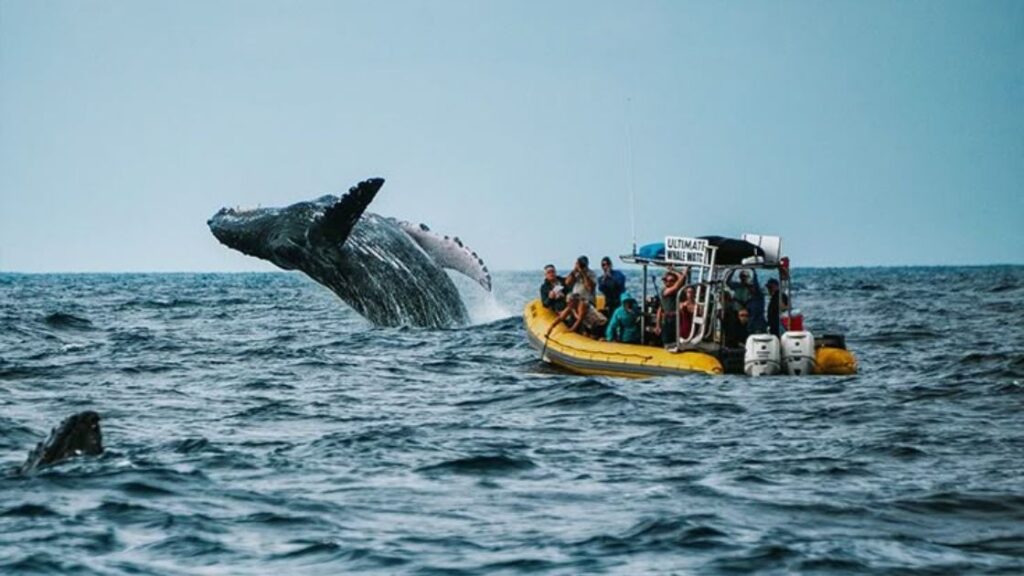
Choosing responsible whale watching companies enhances both your experience and whale welfare. Look for operators that follow marine mammal protection guidelines and maintain respectful distances from whales.
Consider these factors when selecting a tour operator:
- Check reviews and certifications from marine conservation organizations
- Verify they follow local whale watching regulations and guidelines
- Ask about vessel size and passenger limits for comfortable viewing
- Inquire about naturalist guides who provide educational commentary
- Confirm their refund or rebooking policy if no whales are spotted
Essential Gear and Preparation Tips
Preparing properly for your whale watching excursion makes the experience more enjoyable. Bring layers of clothing since ocean temperatures feel cooler than on land. Waterproof jackets protect against spray and unexpected weather changes.
Binoculars help you spot distant whale spouts and observe details when whales surface. Cameras with zoom lenses capture memorable moments, though many experienced watchers recommend putting devices down occasionally to fully absorb the experience.
Motion sickness affects many passengers, so consider taking preventive medication before departure. Staying hydrated and eating light meals before tours also helps minimize discomfort during your whale migration season adventure.
Conservation and Responsible Whale Watching
Supporting conservation efforts during whale migration season protects these species for future generations. Many whale populations are still recovering from historical whaling practices, making responsible tourism increasingly important. Choose eco certified operators, maintain recommended distances, and never attempt to touch or feed wild whales.
Conclusion
Experiencing whale migration season firsthand creates memories that last a lifetime. From the spectacular humpback whale breaches in Hawaii to gray whale encounters in Baja California, countless destinations offer incredible wildlife viewing opportunities. By understanding migration patterns, choosing the right timing, selecting responsible tour operators, and preparing properly, you set yourself up for an unforgettable adventure.
Whether you are a seasoned wildlife enthusiast or planning your first whale watching trip, respecting these gentle giants and their natural habitat remains essential. Start planning your whale migration season journey today and witness one of nature’s most awe inspiring phenomena while supporting important marine conservation efforts.