
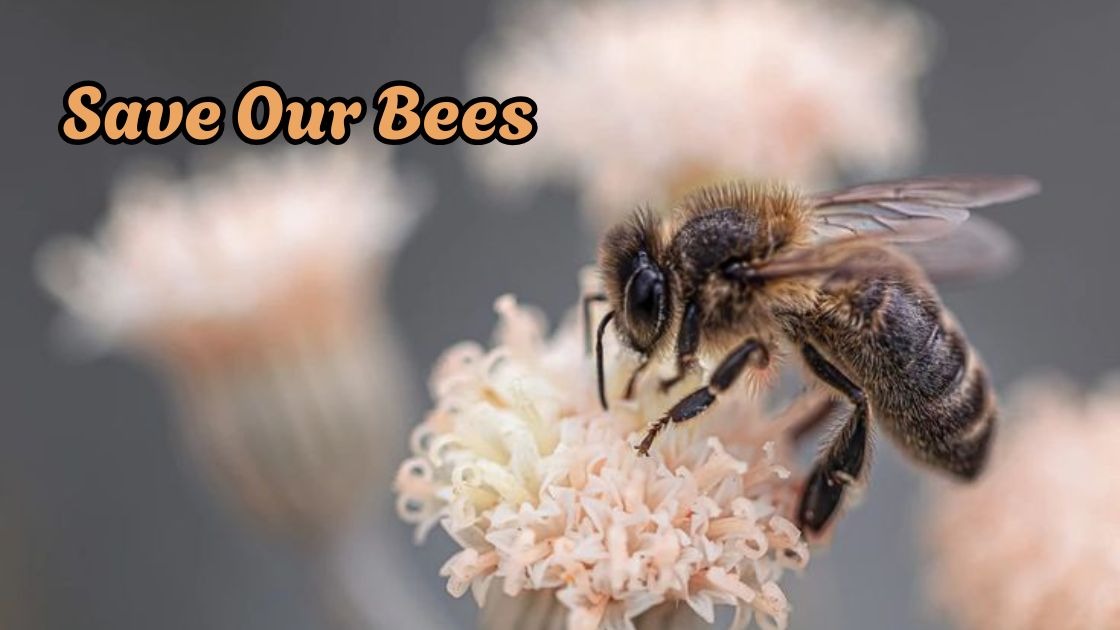
Bees are disappearing at an alarming rate, and the urgent call to save our bees has never been more critical than it is today. These tiny pollinators are responsible for one-third of the food we eat, from apples and almonds to strawberries and cucumbers. Without them, our ecosystems would collapse, grocery prices would skyrocket, and biodiversity would suffer irreversible damage.
The decline in bee populations stems from pesticide exposure, habitat loss, climate change, and disease. But here’s the good news: you have the power to make a difference right from your own backyard.
This article explores why bee conservation matters, the main threats facing pollinator health, and practical steps you can take to protect these essential creatures. Whether you’re a gardener, homeowner, or simply someone who cares about environmental sustainability, you’ll discover actionable ways to support bee-friendly practices starting today.
Understanding Why We Must Save Our Bees: The Crisis That Matters
The global bee population has declined by nearly 40 percent over the past decade, creating an environmental emergency that affects every person on the planet. When we talk about the need to save our bees, we’re discussing the preservation of creatures that pollinate approximately 80 percent of flowering plants worldwide.
Bees aren’t just honey producers. They’re the backbone of agricultural systems and natural ecosystems alike. Without adequate pollination, crop yields decrease dramatically, wild plant species struggle to reproduce, and entire food chains become disrupted. The economic value of bee pollination exceeds $15 billion annually in the United States alone.
The History of Bee Population Decline
Beekeepers first noticed significant colony losses in the mid 2000s when a phenomenon called Colony Collapse Disorder emerged. Entire hives would abandon their queens, leaving behind honey and larvae without explanation. Since then, researchers have identified multiple contributing factors that continue threatening bee survival today.
The situation has worsened as industrial farming expanded, urban development consumed natural habitats, and chemical pesticide use intensified. Understanding this history helps us recognize that reversing the damage requires coordinated effort from individuals, communities, and governments working together.
Major Threats Facing Bee Populations
Pesticides and Chemical Exposure
Neonicotinoid pesticides represent one of the deadliest threats to bee health. These chemicals attack the nervous system of insects, causing disorientation, impaired foraging ability, and eventual death. Even sublethal exposure weakens immune systems and makes bees vulnerable to diseases and parasites.
To save our bees from chemical harm, many countries have implemented partial bans on the most dangerous pesticides. However, enforcement remains inconsistent, and alternative chemicals often pose similar risks to pollinator populations.
Habitat Loss and Fragmentation
Urban sprawl and agricultural monocultures have eliminated millions of acres of wildflower meadows, hedgerows, and native plant habitats that bees depend upon for nutrition. When bees cannot access diverse pollen and nectar sources throughout the growing season, their colonies weaken and become susceptible to collapse.
Creating pollinator corridors and preserving green spaces within cities has become essential for maintaining healthy bee populations in developed areas.
Climate Change Impacts
Rising temperatures disrupt the synchronized timing between flowering plants and bee emergence from winter dormancy. When flowers bloom before bees become active, or vice versa, both species suffer from this ecological mismatch. Extended droughts, severe storms, and unpredictable weather patterns further stress already vulnerable colonies.
How You Can Help Save Our Bees Today
Taking action to protect pollinators doesn’t require expertise or significant financial investment. Small changes in your daily habits and gardening practices can create meaningful impact for local bee populations.
Plant a Bee Friendly Garden
Transforming your outdoor space into a pollinator sanctuary is one of the most effective ways to save our bees in your community. Native flowering plants provide the nutrition bees need while requiring less maintenance than exotic species.
Consider including these bee attracting plants in your garden:
- Lavender provides nectar from late spring through summer and thrives in various climates
- Sunflowers offer abundant pollen and create visual appeal in any landscape
- Clover works excellently as ground cover while feeding bees continuously
- Wildflower mixes support diverse bee species with varied bloom times
- Herbs like thyme, oregano, and mint attract pollinators while serving culinary purposes
Reduce or Eliminate Pesticide Use
Protecting bees means reconsidering how we manage pests in our gardens and lawns. Organic gardening methods, integrated pest management, and natural predator encouragement offer effective alternatives to chemical treatments.
When pesticide use becomes absolutely necessary, apply products during evening hours when bees are less active. Choose targeted treatments rather than broad spectrum chemicals that harm beneficial insects indiscriminately.
Provide Water and Shelter
Bees need fresh water sources just like any other creature. A shallow dish filled with pebbles and water gives bees safe drinking spots without drowning risk. Leaving areas of bare soil, installing bee hotels, and preserving dead wood creates nesting habitat for solitary bee species that don’t live in hives.
Support Local Beekeepers
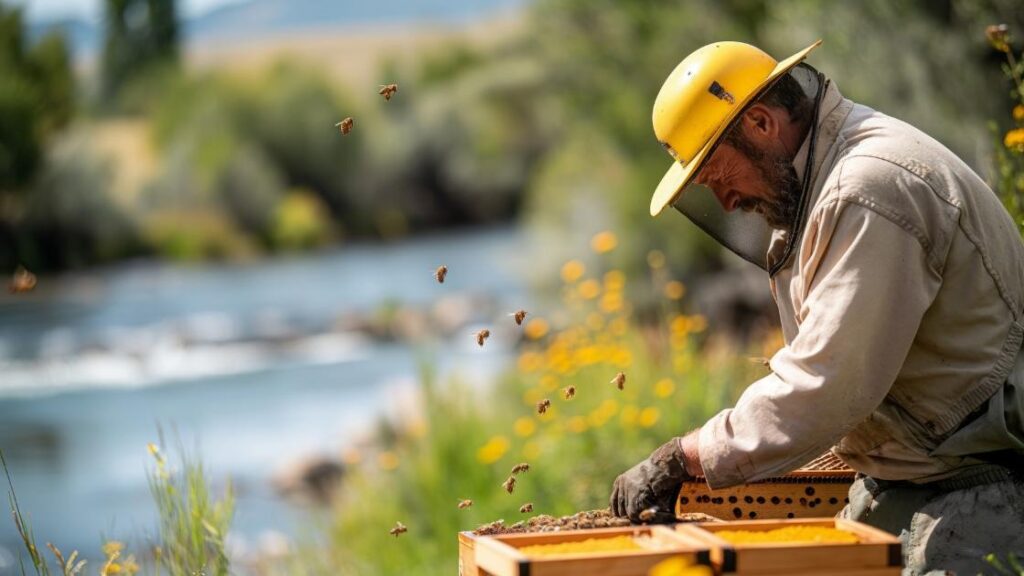
Purchasing honey and beeswax products from local apiaries directly supports those working to save our bees professionally. Local beekeepers maintain healthy colonies, educate communities about pollinator importance, and often rescue swarms that might otherwise be exterminated.
Farmers markets, specialty food stores, and online platforms connect consumers with beekeepers committed to sustainable practices and bee welfare.
Conclusion
The mission to save our bees requires collective action from every individual who values food security, environmental health, and biodiversity preservation. Throughout this article, we’ve explored the causes behind pollinator decline, including pesticide exposure, habitat destruction, and climate change impacts. More importantly, we’ve discovered practical solutions like planting native flowers, reducing chemical use, providing water sources, and supporting local beekeepers.
Every small effort contributes to the larger goal of protecting these essential pollinators. By making bee friendly choices today, you directly support ecosystem balance and agricultural sustainability. The time to save our bees is now because their survival ensures our own.