
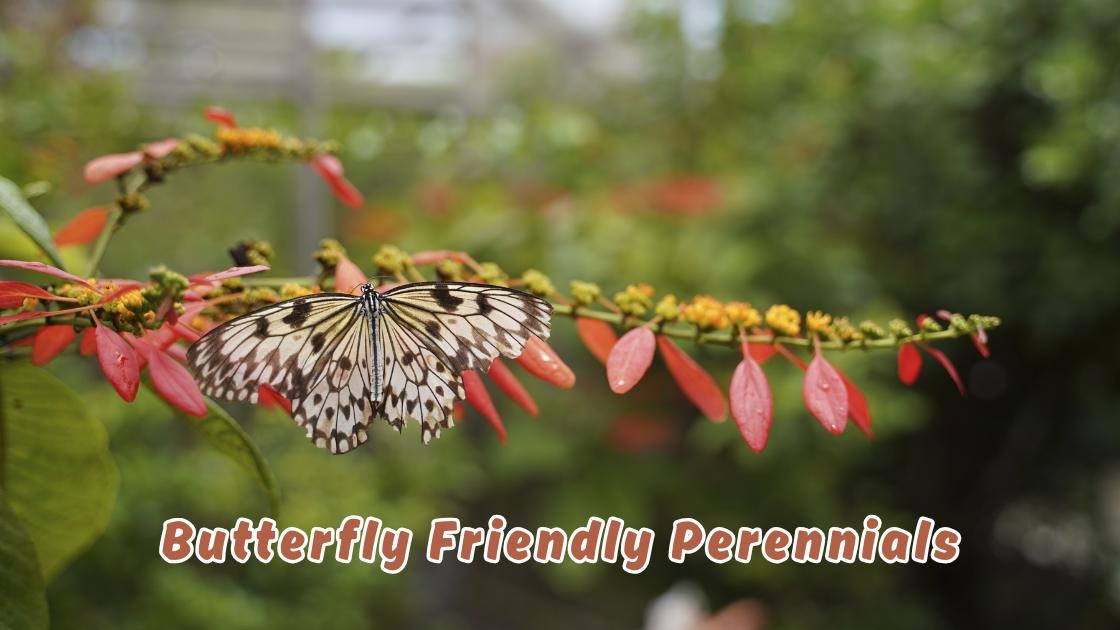
Choosing the right butterfly friendly perennials can transform your outdoor space into a vibrant pollinator sanctuary that returns year after year. As gardeners become more conscious about supporting declining butterfly populations, selecting plants that genuinely attract these delicate creatures has never been more important.
This comprehensive guide draws on professional horticultural expertise to help you build a thriving butterfly garden without guesswork. You’ll discover which nectar-rich flowers perform best across different growing zones, learn about native pollinator plants that monarchs and swallowtails cannot resist, and understand why certain long-blooming varieties outperform others.
Whether you’re starting a new wildlife garden or enhancing an existing perennial border, these expert recommendations will help you create a beautiful, sustainable habitat. Let’s explore the plants that truly deliver results for both gardeners and butterflies alike.
Understanding Butterfly Friendly Perennials and Their Role in Gardens
Butterfly friendly perennials are flowering plants that return each growing season while providing essential nectar and habitat resources for butterflies throughout their lifecycle. Unlike annuals that require yearly replanting, these reliable performers establish deep root systems and create permanent feeding stations that butterflies learn to revisit.
The relationship between butterflies and flowering plants has evolved over millions of years. Butterflies rely on specific bloom shapes, colors, and nectar composition to fuel their flights and reproduction. Gardens featuring the right perennial combinations can support dozens of butterfly species while requiring less maintenance than traditional flower beds.
Why These Plants Matter for Pollinator Conservation
Butterfly populations have declined significantly over recent decades due to habitat loss and pesticide use. Planting nectar rich perennials in home gardens creates vital corridor connections between fragmented wild habitats. Even small urban gardens can make meaningful contributions when planted thoughtfully with pollinator supporting species.
Key Features of Effective Butterfly Attracting Plants
Not every flowering perennial appeals equally to butterflies. Understanding what makes certain plants irresistible helps gardeners make informed choices.
Bloom Characteristics That Butterflies Prefer
Butterflies favor flowers with flat or clustered blooms that provide stable landing platforms. Their long proboscis works best with tubular florets arranged in dense flower heads. Purple, pink, yellow, and orange colors attract butterflies most effectively, while heavily doubled flowers often prove inaccessible despite their beauty.
Extended Blooming Seasons
The most valuable butterfly friendly perennials offer prolonged flowering periods or bloom sequentially throughout the growing season. Early spring through late fall coverage ensures butterflies find sustenance during their entire active period. Strategic plant selection creates continuous nectar availability without garden gaps.
Top Performing Perennials Recommended by Horticulturists
Professional growers and butterfly conservation experts consistently recommend certain species for their proven effectiveness.
Purple Coneflower
This native wildflower ranks among the finest butterfly friendly perennials available. Its sturdy stems support large composite flowers that bloom from midsummer through fall. Monarchs, painted ladies, and fritillaries visit regularly, while the seed heads provide winter bird food.
Butterfly Weed
As a native milkweed species, butterfly weed serves dual purposes. Adult butterflies drink its bright orange nectar clusters while monarchs lay eggs on its foliage. This drought tolerant plant thrives in poor soils where other perennials struggle.
Joe Pye Weed
Reaching impressive heights, Joe Pye weed produces massive mauve flower clusters that become butterfly magnets in late summer. This moisture loving plant works beautifully in rain gardens and naturalized areas where its size creates dramatic effect.
Black Eyed Susan
These cheerful golden blooms attract numerous butterfly species while tolerating various soil conditions. Their long summer flowering period fills important gaps between spring and fall peak bloomers in wildlife gardens.
Sedum
Late blooming sedum varieties provide crucial autumn nectar when few other sources remain available. Their succulent foliage adds textural interest throughout summer before clusters of pink or red flowers open to feed migrating butterflies.
Creating a Successful Butterfly Perennial Garden
Establishing butterfly friendly perennials requires thoughtful planning beyond simply purchasing attractive plants.
Essential Planting Tips for Maximum Success
- Group identical plants in clusters of three or more to create visible targets for passing butterflies.
- Select varieties native to your region whenever possible for best wildlife compatibility.
- Choose sunny locations receiving at least six hours of direct light daily.
- Avoid pesticides entirely as these chemicals harm butterflies at every life stage.
- Include flat stones or bare soil patches where butterflies can bask and absorb minerals.
Seasonal Care Considerations
Butterfly friendly perennials generally require minimal maintenance once established. Water deeply during drought periods rather than frequent shallow irrigation. Leave spent flower stems standing through winter to shelter overwintering insects and provide seed for birds.
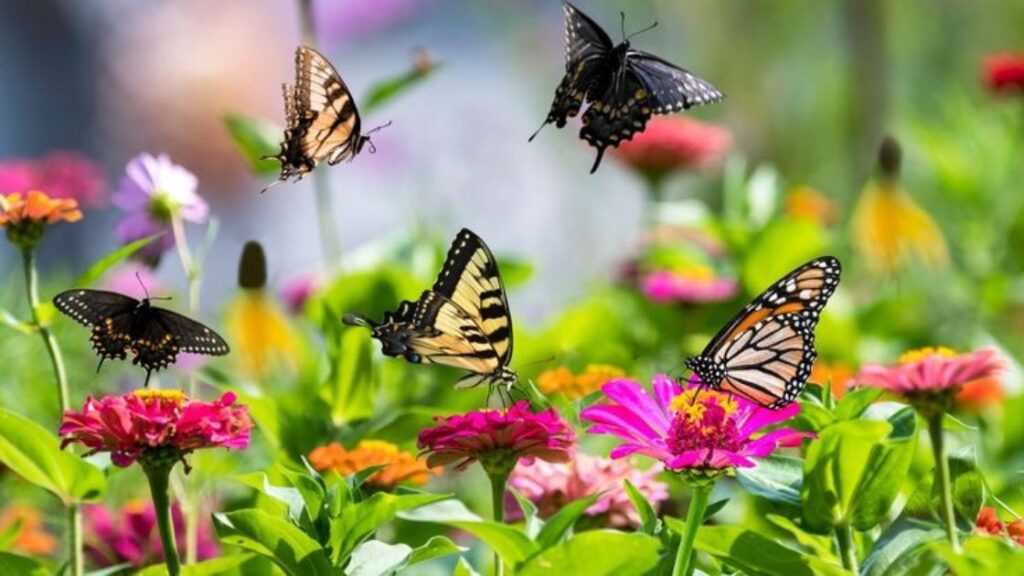
Common Challenges and How to Overcome Them
Dealing with Caterpillar Damage
Gardeners must accept some foliage consumption as part of supporting complete butterfly lifecycles. Host plants like milkweed will show caterpillar feeding damage, which indicates success rather than failure. Planting extra specimens ensures plenty remains for both caterpillars and visual appeal.
Balancing Garden Aesthetics with Wildlife Needs
Some gardeners worry that butterfly friendly perennials appear too wild or unkempt. Combining these plants with ornamental grasses and traditional perennials creates polished designs that satisfy both aesthetic preferences and ecological goals. Defined bed edges and thoughtful color schemes maintain garden structure while welcoming wildlife.
Conclusion
Creating a garden filled with butterfly friendly perennials rewards you with beauty, ecological value, and years of low maintenance enjoyment. By selecting proven performers like coneflowers, milkweed, and sedum, you establish reliable nectar sources that support declining pollinator populations while enhancing your landscape.
Remember that successful butterfly gardens combine sunny locations, pesticide free care, and sequential blooming plants. These native wildflowers and pollinator favorites require patience initially but deliver increasingly impressive results each season.
Start small, choose plants suited to your growing zone, and watch as butterfly friendly perennials transform your outdoor space into a thriving wildlife sanctuary that brings joy throughout the gardening year.