The importance of honey bees in agriculture goes far beyond honey production. These remarkable pollinators enable one out of every three bites of food on your plate, supporting everything from almond orchards and apple farms to backyard vegetable gardens across the globe.
Table of Contents
Yet global bee colonies have declined by nearly 40 percent in the past decade, according to data from the Bee Informed Partnership. Pesticide exposure, vanishing habitats, parasitic infestations, and shifting climate patterns are pushing colonies dangerously close to collapse.
The good news is that practical solutions exist. This guide breaks down exactly why these pollinators matter, what is threatening their survival, and what farmers, gardeners, and everyday consumers can do to turn the tide and save our bees before it is too late.
How Bee Pollination Powers Global Food Production
Pollination occurs when pollen transfers from a flower’s male structures to its female structures, triggering fertilization and allowing fruit and seed development. Honey bees are considered the most efficient agricultural pollinators on the planet because a single colony can visit millions of blooms in just one day.
According to the Food and Agriculture Organization (FAO), roughly 75 percent of the world’s food crops depend at least partly on animal pollination. Honey bees handle the largest share of that workload, making them the foundation of modern crop production.
The Science Behind Flower Fidelity
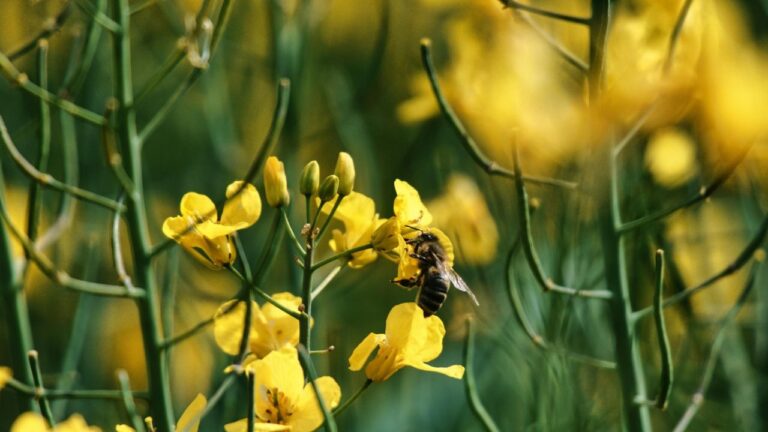
Unlike many other insects that wander between different plant species, honey bees practice a behavior scientists call flower fidelity. During each foraging trip, a bee visits the same crop species repeatedly, which dramatically increases cross pollination success rates.
As a bee lands on a bloom to collect nectar, thousands of tiny hairs on her body pick up pollen grains. She then carries these grains to the next flower, depositing them precisely where fertilization needs to happen. This elegant, efficient system is the biological engine behind fruit and vegetable production worldwide.
Crops That Cannot Survive Without Bee Pollination
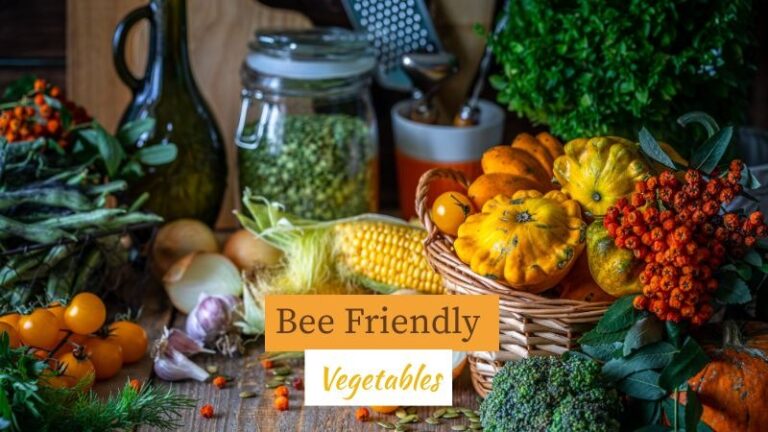
Apples, cherries, blueberries, watermelons, cucumbers, squash, and peppers all require honey bee visits for successful harvests. Without adequate pollination, these crops produce smaller, misshapen fruits or fail to develop entirely.
Almond farming provides the most dramatic example. Every February, roughly 2 million commercial bee colonies are trucked to California’s Central Valley for almond pollination alone. The U.S. Food and Drug Administration reports that this represents nearly 80 percent of all managed honey bee colonies in the country, all dedicated to a single crop.
The Economic Impact of Honey Bee Pollination on Farming
Bee pollination contributes an estimated $15 billion annually to crop values in the United States, according to the United States Department of Agriculture (USDA). Globally, the FAO puts that figure at approximately $235 billion every year, making honey bees the most economically significant insects on Earth.
What Healthy Bee Populations Mean for Farm Revenue
Farms with strong pollinator access consistently report 20 to 30 percent higher crop yields than farms where bee visits are inadequate. That yield gap translates directly into income differences that can determine whether a family farm remains profitable.
Beyond raw volume, bee pollinated crops produce better shaped, larger fruits with longer shelf life. Seed production rates improve for replanting stock, and the genetic diversity created by effective cross pollination strengthens crops against disease and environmental stress. These measurable financial returns explain why pollinator health is treated as a business priority, not just an environmental talking point.
Why Bee Populations Are Declining at an Alarming Rate
Despite their critical role in food systems, honey bee colonies face a constellation of threats that have intensified over the past two decades. Understanding these pressures is the first step toward reversing the decline.
Pesticides and Neonicotinoid Exposure
Neonicotinoid pesticides are among the deadliest chemicals threatening bee survival today. These systemic insecticides attack the central nervous system of insects, causing disorientation, impaired foraging ability, weakened immunity, and death.
A landmark 2017 study published in Science confirmed that neonicotinoid exposure reduces bee reproduction rates and colony survival across multiple countries and crop systems. Even sublethal doses compromise a colony’s ability to fight parasites and disease, setting off a chain reaction of decline.
Habitat Destruction and Monoculture Farming
Urban sprawl and industrial monoculture farming have eliminated millions of acres of wildflower meadows, hedgerows, and native grasslands that bees rely on for nutritional diversity. When colonies are surrounded by a single crop species, they face nutritional deficiency outside the narrow blooming window.
Habitat fragmentation compounds this problem by isolating bee populations from one another, reducing genetic diversity and making recovery from losses much harder.
Climate Change and Seasonal Mismatches
Rising temperatures are disrupting the synchronized timing between flowering plants and bee emergence from winter dormancy. When blooms open weeks before bees become active, or bees emerge before flowers are available, both organisms suffer from this ecological mismatch.
Prolonged droughts, extreme storms, and unpredictable temperature swings put additional stress on colonies already weakened by other factors. Climate models suggest these mismatches will worsen over the coming decades without aggressive intervention.
Varroa Mites and Colony Disease
Varroa destructor mites remain the single most devastating parasitic threat to honey bee colonies worldwide. These external parasites feed on bee fat bodies and transmit multiple deadly viruses including Deformed Wing Virus and Acute Bee Paralysis Virus.
The Bee Informed Partnership’s annual survey data shows that varroa infestations contribute to roughly 40 percent of winter colony losses in the United States each year. Without consistent monitoring and treatment, a single infestation can destroy an entire hive within months.
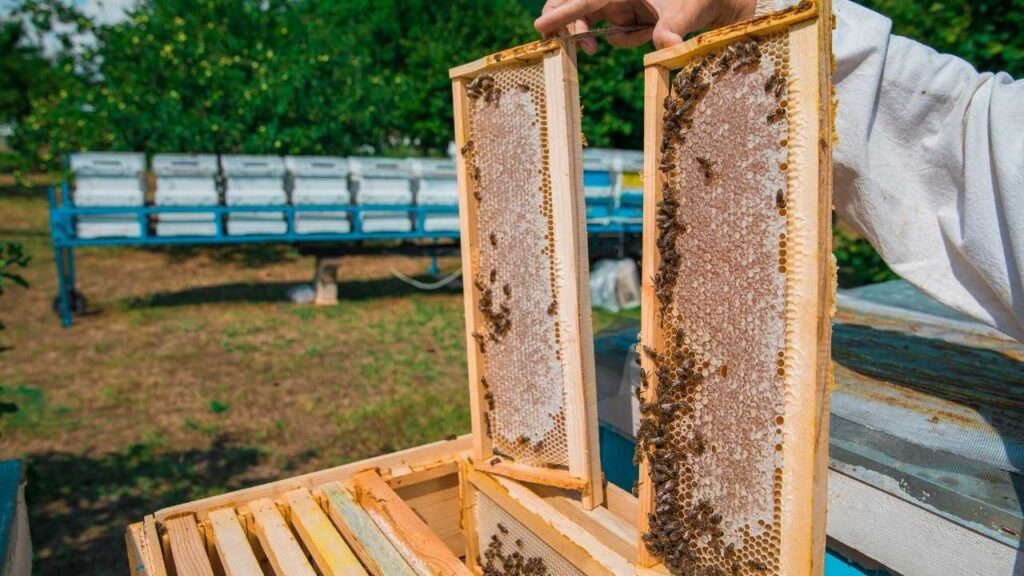
Proven Farming Practices That Protect Pollinators
Agricultural land is the primary habitat where managed honey bees live and work. Farmers who protect pollinators are not just practicing environmental stewardship. They are investing directly in their own crop yields and long term profitability.
Establishing Pollinator Habitat Strips
Planting diverse native wildflower strips along field edges, drainage ditches, and marginal land provides continuous forage for bees throughout the growing season. These habitat buffers are especially critical during mid summer gaps when major crops are not in bloom and bees face food shortages.
Research from the Xerces Society for Invertebrate Conservation shows that farms with dedicated pollinator habitat strips see measurable increases in both wild bee diversity and crop pollination rates within just two to three growing seasons.
Integrated Pest Management Strategies
Integrated pest management combines biological controls, crop rotation, targeted application, and precision technology to manage pests while minimizing chemical exposure to beneficial insects. Applying any necessary treatments during evening hours when bees have returned to their hives dramatically reduces the risk of contact poisoning.
Choosing rapidly degrading, targeted formulations over broad spectrum chemicals that persist in soil and water further shields pollinator populations from unintended harm.
Cover Crops and Diversified Rotations
Cover crops like crimson clover, buckwheat, and phacelia serve dual purposes. They improve soil structure and suppress weeds for the farmer while providing critical nectar and pollen sources for bees between cash crop blooms.
Diversified crop rotations that include flowering species throughout the season ensure bees always have access to nutrition on or near the farm. This year round forage availability supports stronger, more resilient colonies that deliver better pollination when the farmer needs it most.
Simple Ways You Can Help Save Our Bees Today
You do not need to be a farmer to make a real difference for pollinator conservation. Small, practical changes at home create meaningful impact for local bee populations.
Build a Pollinator Friendly Garden
Planting a mix of native flowering species is one of the most effective individual actions you can take to support bees in your area. The key is selecting plants with staggered bloom times so that bees always have something to forage from early spring through late autumn.
Five of the most reliable bee attracting plants for home gardens include:
- Lavender, which produces nectar from late spring through summer across most climates
- Sunflowers, which offer heavy pollen loads and thrive with minimal care
- White clover, which works as ground cover while feeding bees continuously
- Native wildflower mixes, which support diverse bee species with varied bloom windows
- Culinary herbs like thyme, oregano, and mint, which attract pollinators while serving your kitchen
Eliminate Chemical Pesticides at Home
Switching to organic gardening methods, companion planting, and natural predator encouragement removes one of the biggest threats bees face at the neighborhood level. When pest control becomes absolutely necessary, choose targeted organic products and apply them during evening hours when bees are inactive.
Broad spectrum synthetic pesticides do not just kill the pests you are targeting. They destroy the entire beneficial insect community that keeps your garden ecosystem balanced and productive.
Provide Water Stations and Nesting Shelter
A shallow dish filled with pebbles and clean water gives bees safe drinking spots without the risk of drowning. Place these stations near flowering plants where bees are already foraging for easy access.
For solitary bee species that do not live in traditional hives, leaving patches of bare soil, installing bee hotels made from hollow stems or drilled wood blocks, and preserving dead wood all create essential nesting habitat that supports local pollination.
Support Local Beekeepers
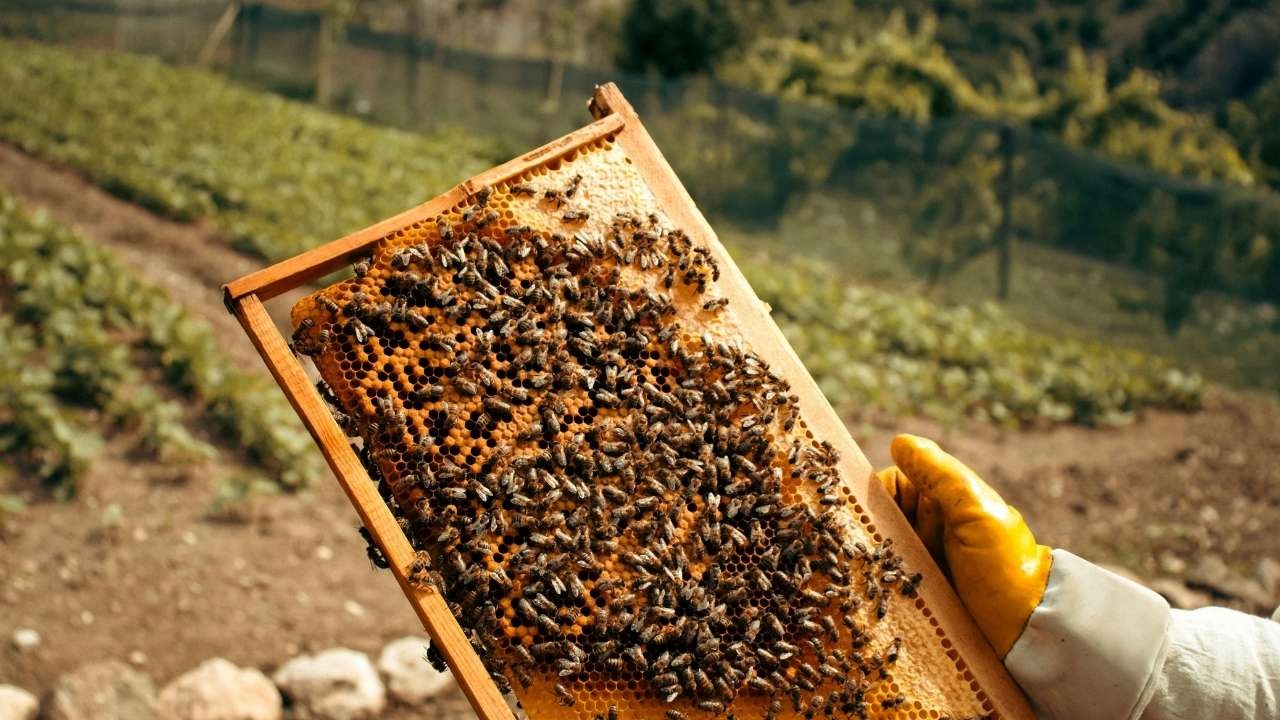
Buying honey, beeswax, and other hive products from local apiaries directly funds the people managing healthy colonies in your region. Local beekeepers also educate their communities, rescue swarms, and provide critical pollination services to nearby farms and gardens. Farmers markets and online platforms make finding and supporting these beekeepers easier than ever.
The Connection Between Bee Health and Global Food Security
With the global population projected to reach nearly 10 billion by 2050, the demand for food will increase by an estimated 50 percent according to the United Nations FAO. Meeting that demand without healthy pollinator populations is virtually impossible.
The importance of honey bees in agriculture is not just a present day concern. It is a defining challenge for the future of sustainable food systems. Every farmer who adopts pollinator friendly practices, every gardener who plants native flowers, and every consumer who supports local beekeeping strengthens the foundation that global food production depends on.
When we choose to save our bees, we are choosing to protect the food supply that feeds humanity. Their survival and ours are inseparable.
Conclusion
The importance of honey bees in agriculture touches every person who eats, every farmer who grows, and every ecosystem that sustains life on this planet. These pollinators support hundreds of billions of dollars in crop value annually, enable the production of the fruits, vegetables, and nuts we depend on, and maintain the biodiversity that holds natural systems together.
The threats they face are serious but solvable. Farmers adopting integrated pest management and pollinator habitat strips are already seeing results. Gardeners planting native wildflowers are creating vital forage corridors in their neighborhoods. Consumers supporting local apiaries are funding the frontline work of colony management and bee health.
The mission to save our bees demands action from everyone, not tomorrow but today. Their future is inseparable from the future of our food, and protecting them is one of the most meaningful contributions any of us can make.
What percentage of food crops depend on honey bee pollination?
Approximately 75 percent of the world’s food crops depend at least partly on animal pollination, with honey bees handling the largest share of that work. In the United States, the USDA estimates that bee pollination directly supports roughly one third of all food consumed by Americans.
Why are honey bee populations declining?
Bee populations are declining due to a combination of neonicotinoid pesticide exposure, habitat loss from urban expansion and monoculture farming, varroa mite infestations, climate change disrupting bloom timing, and nutritional deficiency from limited forage diversity. These factors rarely act alone and typically compound one another.
How much is honey bee pollination worth to the economy?
Bee pollination contributes an estimated $15 billion annually to crop values in the United States and approximately $235 billion globally each year. These figures account only for direct crop pollination value and do not include the downstream economic activity that pollinated food products generate.
What is Colony Collapse Disorder?
Colony Collapse Disorder is a phenomenon first identified in the mid 2000s where worker bees abandon their hive, leaving behind the queen, honey stores, and brood without explanation. While cases of this specific disorder have decreased, the broader pattern of colony losses continues due to multiple overlapping stressors.
What are the best plants to grow for honey bees?
The most effective bee supporting plants include lavender, sunflowers, white clover, borage, phacelia, wildflower mixes, and culinary herbs such as thyme, oregano, rosemary, and mint. Choosing a variety of species that bloom at different times throughout the year ensures continuous forage availability for local bee populations.
Can a single person make a difference for bee conservation?
Planting even a small pollinator garden, eliminating pesticide use in your yard, providing a water station, and purchasing honey from local beekeepers all create measurable impact. When these individual actions multiply across a community, they build the habitat corridors and chemical free zones that bee populations need to recover.