
The importance of honey bees in agriculture extends far beyond producing sweet golden honey these tiny pollinators are responsible for one out of every three bites of food we eat. Without their tireless work, our supermarket shelves would look dramatically different, and farmers worldwide would face devastating crop losses.
In this comprehensive guide, we’ll explore why these remarkable insects have become indispensable partners in modern farming. You’ll discover how bee pollination directly impacts crop production, why colony health matters for food security, and what sustainable farming practices can protect these vital creatures. Whether you’re a farmer seeking to boost yields or simply curious about where your food comes from, understanding this relationship between bees and agriculture will change how you view every meal.
Understanding the Importance of Honey Bees in Agriculture and Pollination
Pollination is the natural process that allows plants to reproduce by transferring pollen from male flower parts to female ones. While wind and other insects contribute to this process, honey bees are the most efficient and reliable pollinators in agricultural systems. A single colony can visit millions of flowers daily, making them invaluable partners for farmers growing everything from almonds to zucchini.
The importance of honey bees in agriculture becomes clear when you consider that approximately 75% of flowering plants depend on animal pollinators. Honey bees work systematically, visiting the same crop species repeatedly during foraging trips. This behavior, called flower fidelity, makes them exceptionally effective at cross pollinating crops and ensuring successful fruit and seed development.
How Bee Pollination Works in Farming
When honey bees land on flowers seeking nectar and pollen for their hive, tiny grains stick to their fuzzy bodies. As they move from bloom to bloom, they unknowingly deposit this pollen where it’s needed most. This simple act triggers fertilization, allowing fruits and vegetables to develop properly.
Farmers often rent commercial bee colonies during peak blooming seasons to maximize pollination efficiency. This practice has become standard in large scale agricultural operations, particularly for crops that cannot self pollinate effectively.
Key Crops That Depend on Honey Bee Pollination
The importance of honey bees in agriculture is most visible when examining specific crops that rely heavily on their services. Without adequate bee populations, these foods would become scarce and expensive.
Fruits and Vegetables
Many beloved fruits require honey bee pollination for successful harvests. Apples, cherries, blueberries, and watermelons all depend on these hardworking insects. Similarly, vegetables like cucumbers, squash, and peppers need bee visits to produce the foods we enjoy daily.
Nuts and Seeds
Almond production in California provides a striking example of bee dependence. Each February, approximately two million bee colonies travel to almond orchards for pollination services. This represents nearly 80% of all commercial honey bee colonies in the United States, highlighting how critical these insects are for nut production.
Economic Value of Honey Bees to Farmers
The importance of honey bees in agriculture translates directly into economic benefits that support farming communities worldwide. Research estimates that bee pollination contributes over $15 billion annually to crop values in the United States alone. Globally, this figure reaches approximately $235 billion each year.
Benefits Farmers Gain From Healthy Bee Populations
- Increased crop yields by 20% to 30% compared to inadequate pollination
- Improved fruit quality with better shape, size, and shelf life
- Higher seed production rates for crops grown for replanting
- Reduced need for manual pollination methods that require expensive labor
- Greater genetic diversity in crops through effective cross pollination
These economic advantages explain why farmers invest significantly in maintaining bee friendly environments on their properties. The return on investment from healthy pollinator populations far exceeds the costs of supporting them.
Challenges Threatening Bee Populations Today
Despite the clear importance of honey bees in agriculture, these essential pollinators face serious threats that concern farmers and scientists alike. Colony Collapse Disorder emerged as a major issue in 2006, causing dramatic losses in commercial hives. While this specific phenomenon has decreased, bee populations continue struggling against multiple pressures.
Major Threats to Honey Bee Health
Pesticide exposure remains a significant concern, particularly neonicotinoids that affect bee nervous systems. Habitat loss reduces wild forage areas where bees find diverse nutrition between crop blooms. Varroa mites parasitize colonies, spreading viruses and weakening hives. Climate change disrupts traditional bloom timing, creating mismatches between bee activity and flower availability. Poor nutrition from monoculture farming limits the varied diet bees need for optimal health.
Sustainable Practices Supporting Bee Populations
Farmers increasingly recognize that protecting pollinators protects their livelihoods. Implementing bee friendly practices has become a priority for sustainable agriculture operations committed to long term productivity.
How Farmers Can Help
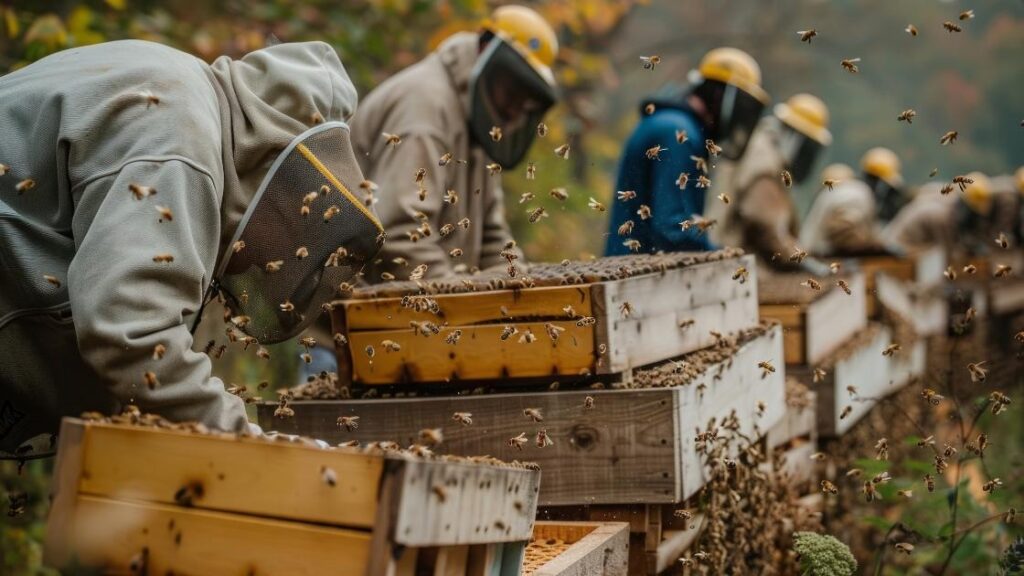
Creating pollinator habitats along field edges provides bees with diverse forage throughout the growing season. Reducing pesticide applications during bloom periods minimizes chemical exposure to visiting bees. Planting cover crops offers additional nutrition sources when main crops aren’t flowering. Working with local beekeepers establishes mutually beneficial relationships that support both parties.
The importance of honey bees in agriculture will only grow as global food demands increase. By understanding and supporting these remarkable insects, farmers secure not only their own futures but also the food security of communities worldwide.
Conclusion
The importance of honey bees in agriculture is undeniable and far reaching. These remarkable pollinators directly impact crop production, food security, and farming economies worldwide. From almonds to apples, countless crops depend on healthy bee colonies for successful harvests and quality yields.
As we’ve explored, protecting honey bee populations through sustainable farming practices benefits everyone. Farmers who prioritize pollinator health see improved productivity while contributing to environmental conservation. The importance of honey bees in agriculture reminds us that our food systems rely on these tiny yet powerful partners. Supporting bee friendly initiatives today ensures abundant harvests for future generations.