
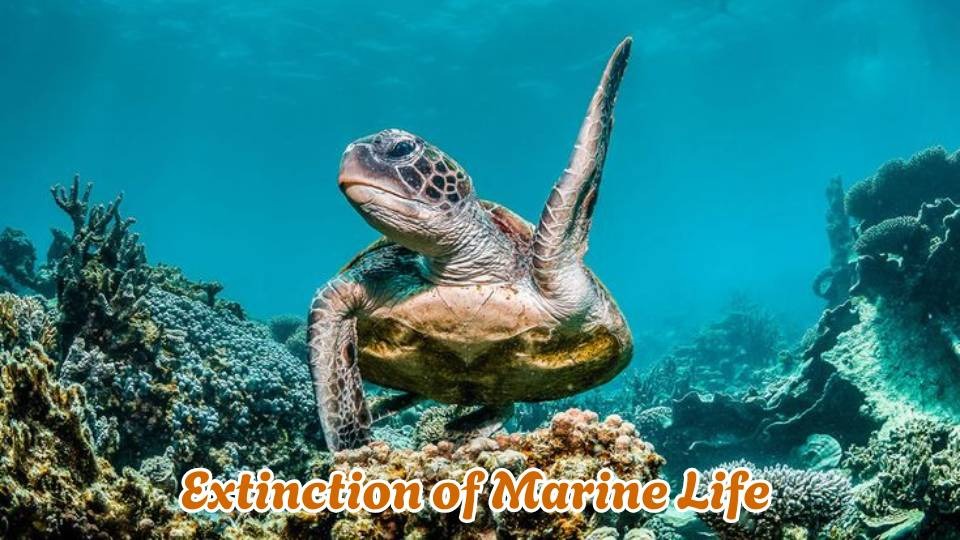
The extinction of marine life represents one of the most pressing environmental crises of our time, yet it remains largely invisible beneath the ocean’s surface. Our seas are home to millions of species that regulate climate, produce oxygen, and sustain billions of people through food and livelihoods. However, ocean biodiversity loss is accelerating at an alarming rate due to overfishing, plastic pollution, climate change, and habitat destruction.
Coral reef degradation alone has wiped out nearly half of the world’s reef systems in just decades. This article explores why the disappearance of sea creatures poses a direct threat to human survival, examining the causes behind this crisis and the ripple effects on global ecosystems. Understanding this underwater emergency is the first step toward meaningful action and ocean conservation efforts that can protect our planet’s future.
Understanding the Extinction of Marine Life: A Growing Global Crisis
The extinction of marine life refers to the permanent disappearance of ocean species due to natural or human caused factors. Unlike land based extinction events that receive widespread media attention, the loss of marine biodiversity often goes unnoticed until ecosystems collapse entirely. Scientists estimate that marine species are disappearing at rates 100 to 1000 times faster than natural background extinction levels.
Our oceans cover more than 70 percent of Earth’s surface and contain approximately 80 percent of all life on the planet. From microscopic plankton to massive whales, every organism plays a vital role in maintaining ecological balance. When species vanish, the entire food web suffers, creating cascading effects that ultimately reach human populations.
Historical Context of Ocean Biodiversity Decline
Marine ecosystems have experienced five major extinction events throughout Earth’s history, with the most recent occurring 66 million years ago. However, scientists now warn we are entering a sixth mass extinction driven primarily by human activities. The industrial revolution marked a turning point when commercial fishing, pollution, and coastal development began fundamentally altering ocean environments.
During the 20th century, whale populations declined by over 90 percent due to commercial hunting. While some species have partially recovered following international protections, many remain critically endangered. This historical pattern demonstrates both the devastating impact of human exploitation and the potential for recovery when conservation measures are implemented.
Primary Causes Behind the Extinction of Marine Life Worldwide
Overfishing and Destructive Fishing Practices
Commercial fishing has pushed numerous fish populations to the brink of collapse. Bottom trawling destroys seafloor habitats, while illegal fishing operations continue depleting already vulnerable stocks. The United Nations reports that over one third of global fish stocks are currently overfished, threatening both marine ecosystems and food security for billions of people.
Climate Change and Ocean Acidification
Rising ocean temperatures force species to migrate toward cooler waters, disrupting established ecosystems and breeding patterns. Meanwhile, increased carbon dioxide absorption is making seawater more acidic, which dissolves the shells of mollusks, corals, and certain plankton species. These changes represent a fundamental threat to marine life survival.
Pollution and Habitat Destruction
Plastic pollution, chemical runoff, and oil spills contaminate marine environments worldwide. An estimated 8 million metric tons of plastic enter our oceans annually, entangling wildlife and entering the food chain. Coastal development destroys critical habitats including mangroves, seagrass beds, and wetlands that serve as nurseries for countless species.
Why Marine Extinction Threatens Human Survival
The extinction of marine life directly impacts human wellbeing in ways many people fail to recognize. Ocean ecosystems provide essential services that sustain life on Earth.
- Oxygen production accounts for over 50 percent of the air we breathe, generated primarily by marine phytoplankton
- Food security depends on healthy fish populations that provide protein for more than 3 billion people globally
- Climate regulation occurs as oceans absorb approximately 30 percent of human produced carbon dioxide
- Economic livelihoods support over 200 million jobs worldwide in fishing, tourism, and related industries
- Medical discoveries continue emerging from marine organisms, including treatments for cancer and infections
The Ripple Effect on Global Ecosystems
When keystone species disappear, entire ecosystems can collapse rapidly. Sea otters, for example, control sea urchin populations that would otherwise destroy kelp forests. Without these predators, coastal ecosystems lose their foundation, affecting hundreds of dependent species and accelerating the extinction of marine life across interconnected habitats.
Conservation Strategies and Solutions
Establishing Marine Protected Areas
Marine protected areas allow damaged ecosystems to recover by restricting fishing and development. Currently, only about 8 percent of oceans have protected status, though scientists recommend expanding this to at least 30 percent by 2030. These sanctuaries have proven effective at restoring fish populations and rebuilding coral reef systems.
Sustainable Practices for Ocean Health
Addressing the extinction of marine life requires collective action at individual, community, and governmental levels.
- Supporting sustainable seafood choices reduces pressure on vulnerable fish populations
- Reducing plastic consumption prevents pollution from entering marine environments
- Advocating for stronger environmental policies protects critical habitats
- Participating in beach cleanups removes harmful debris from coastal areas
- Educating others spreads awareness about ocean conservation needs
The Role of International Cooperation
No single nation can solve this crisis alone. International agreements like the United Nations Ocean Treaty represent crucial steps toward protecting marine biodiversity in international waters. Collaborative research efforts help scientists monitor species populations and identify emerging threats before they become irreversible.
Conclusion
The extinction of marine life stands as one of the most critical environmental challenges facing humanity today. From overfishing and plastic pollution to climate change and habitat destruction, multiple threats are pushing ocean ecosystems toward collapse. The consequences extend far beyond underwater realms, affecting oxygen production, food security, climate stability, and global economies. However, hope remains through marine protected areas, sustainable fishing practices, and international cooperation. By taking immediate action to address the extinction of marine life, we can preserve ocean biodiversity for future generations. The time to protect our seas is now, before irreversible damage occurs.