
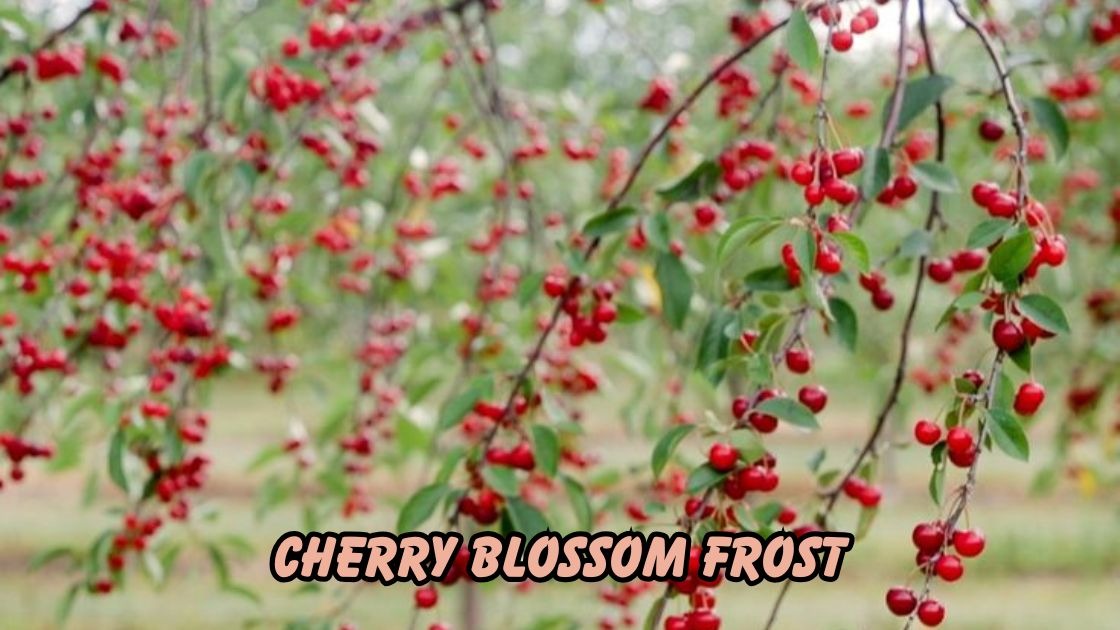
Cherry blossom frost has become an escalating threat to orchards and ornamental gardens worldwide, catching many growers off guard during what should be the most beautiful time of year. As climate patterns shift unpredictably, those delicate pink and white blooms face greater risk from sudden temperature drops than ever before. Early spring warmth now tricks trees into blooming weeks ahead of schedule, leaving fragile flowers vulnerable when cold snaps inevitably return.
This article explores why late spring freeze events are becoming more frequent and severe, examining the connection between climate change and erratic weather patterns. You’ll discover practical cold protection strategies that commercial orchardists and home gardeners are using to safeguard their trees. From frost cloth techniques to site selection wisdom, we’ll cover proven adaptation methods that can mean the difference between a stunning bloom season and devastating crop loss.
Understanding Cherry Blossom Frost and Its Growing Impact
Cherry blossom frost refers to freezing temperatures that damage or destroy cherry tree blooms during their vulnerable flowering period. When temperatures drop below 28°F for extended periods, the delicate reproductive structures within each flower can suffer irreversible harm. This phenomenon affects both ornamental flowering cherries and commercial sweet and tart cherry varieties, making it a concern for landscapers and fruit producers alike.
The significance of cherry blossom frost extends beyond aesthetic disappointment. For commercial growers, a single severe frost event during peak bloom can eliminate an entire year’s harvest. Japan’s famous sakura festivals face increasing uncertainty as unpredictable freezes threaten the precise timing these celebrations require. Home gardeners investing years in establishing beautiful cherry specimens watch helplessly as overnight freezes turn promising blooms brown and lifeless.
Why Cherry Blossom Frost Events Are Becoming More Frequent
Climate scientists have identified a troubling pattern that explains the rise in cherry blossom frost damage. Global warming creates warmer winters and earlier springs, prompting cherry trees to break dormancy and bloom sometimes three to four weeks ahead of historical schedules. However, the risk of late spring freezes has not decreased proportionally, creating a dangerous mismatch between bloom timing and frost occurrence.
This phenomenon, sometimes called false spring, leaves trees exceptionally vulnerable. When cherry buds swell and flowers open during an unusually warm February or March, they lose the cold hardiness that protected them during dormancy. A subsequent cold snap that would have caused no damage to dormant buds can devastate open blossoms completely.
Regional Variations in Frost Risk
Different growing regions experience cherry blossom frost challenges in distinct ways. The Pacific Northwest faces threats from arctic air masses that sweep down unexpectedly during March and April. Midwestern orchards contend with radiational frost events on clear, calm nights following warm days. Southern regions where cherry cultivation was previously marginal now attempt growing these trees, only to discover that erratic temperature swings create substantial frost risk.
How Cherry Blossom Frost Damages Trees and Blooms
Understanding the mechanics of frost injury helps growers respond appropriately. Cherry blossom frost causes damage through ice crystal formation within delicate plant cells. When temperatures drop slowly, water moves out of cells before freezing, causing dehydration injury. Rapid freezes trap water inside cells where expanding ice crystals rupture cell membranes and destroy tissue.
The most vulnerable flower parts include the pistil and ovary, which must survive undamaged for fruit to develop. Even when petals appear unharmed after a frost event, internal reproductive damage may have already occurred. Growers often must wait several days before cutting flowers open to assess the true extent of ovary browning and pistil death.
Proven Strategies for Protecting Against Cherry Blossom Frost
Commercial orchardists and experienced gardeners have developed multiple approaches to minimize cherry blossom frost damage. Success often requires combining several methods based on specific site conditions and available resources.
- Wind machines and helicopters circulate warmer air from thermal inversions down to tree level during radiation frost events
- Overhead sprinkler systems release latent heat as water freezes, maintaining bud temperatures near 32°F
- Orchard heaters and smudge pots raise air temperatures in smaller plantings
- Site selection on slopes allows cold air to drain away from trees
- Delayed pruning techniques can slow bloom development by one to two weeks
Selecting Frost Tolerant Varieties
Growers adapting to increased cherry blossom frost risk should consider variety selection carefully. Late blooming cultivars naturally avoid many frost events by flowering after the highest risk period passes. Some varieties also demonstrate greater cold tolerance in their flower buds, withstanding temperatures that would damage more sensitive selections.
Long Term Adaptation for Changing Conditions
The increasing frequency of cherry blossom frost demands strategic thinking from growers planning orchards or landscapes. Diversifying bloom times by planting multiple varieties spreads risk across the spring season. Installing permanent frost protection infrastructure becomes more economically justified as damaging events occur more regularly.
Monitoring weather forecasts and phenological development together allows growers to anticipate dangerous combinations of advanced bloom stages and approaching cold fronts. Many successful orchardists now use temperature monitoring systems with automated alerts to ensure rapid response when cherry blossom frost threatens their investment.
Conclusion
Cherry blossom frost presents an increasingly serious challenge as climate patterns continue shifting unpredictably. The combination of earlier bloom timing and persistent late spring freeze events demands proactive adaptation from both commercial orchardists and home gardeners. By understanding critical temperature thresholds, selecting appropriate planting sites, and implementing active cold protection methods, growers can significantly reduce their vulnerability to devastating crop losses.
Success requires combining multiple strategies rather than relying on any single approach. Whether you manage a large orchard or tend a few backyard trees, preparing for cherry blossom frost before temperatures drop remains essential for protecting your investment and enjoying beautiful spring blooms year after year.