
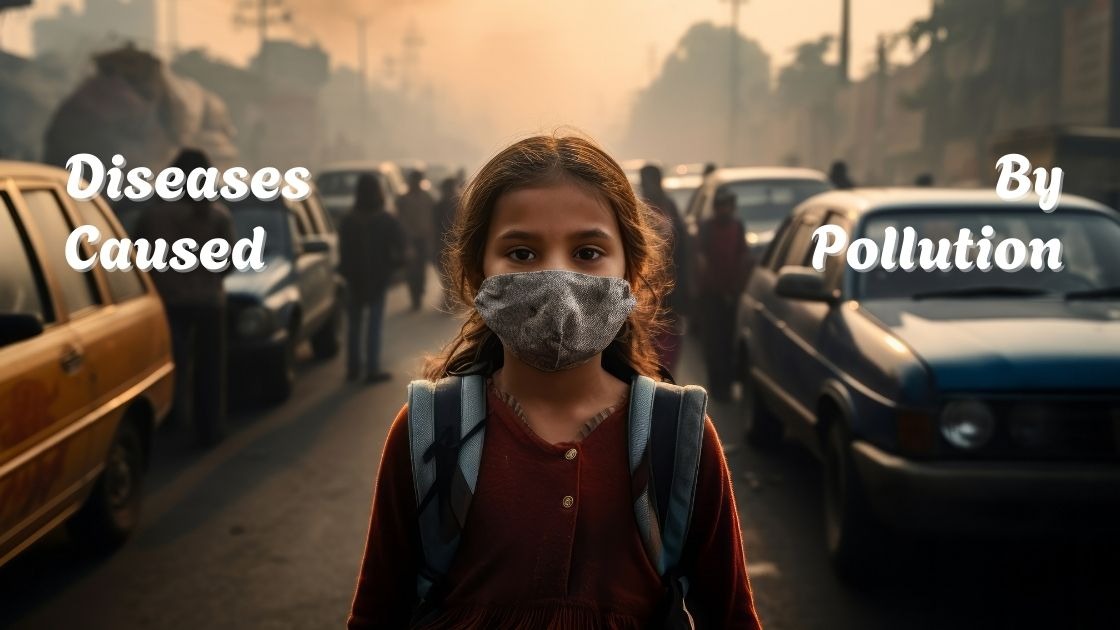
Every breath you take could be slowly harming your body diseases caused by pollution have become one of the most pressing health concerns of our time. From the air we breathe to the water we drink, environmental contaminants are silently attacking our respiratory system, cardiovascular health, and immune function. The World Health Organization estimates that pollution-related illnesses claim millions of lives annually, yet many people remain unaware of the invisible dangers surrounding them.
In this comprehensive guide, we’ll explore how toxic emissions, contaminated water sources, and chemical exposure contribute to chronic conditions like asthma, lung cancer, and heart disease. You’ll discover the warning signs to watch for, which populations face the greatest risk, and practical steps you can take to protect yourself and your loved ones from these preventable health threats.
Understanding Pollution and Its Impact on Human Health
Pollution occurs when toxic substances enter the environment and negatively impact the health of all living beings. Diseases caused by pollution develop when our bodies are repeatedly exposed to toxic chemicals, particulate matter, and hazardous waste products. These environmental toxins enter our system through inhalation, ingestion, and skin absorption, gradually damaging vital organs and disrupting normal bodily functions.
The connection between environmental contamination and human illness has been documented for centuries, but the industrial revolution dramatically accelerated this health crisis. Today, rapid urbanization, increased vehicle emissions, and industrial expansion have created unprecedented levels of environmental pollutants that threaten public health worldwide.
Why This Topic Matters Now
The significance of understanding pollution related health problems cannot be overstated. According to recent studies, environmental factors contribute to approximately 24% of global deaths annually. Children, elderly individuals, and those with compromised immune systems face heightened vulnerability to these toxic exposures. Recognizing this connection empowers communities to advocate for cleaner environments and adopt protective measures.
Types of Pollution That Cause Health Problems
Air Pollution and Respiratory Disorders
Air pollution stands as the most dangerous form of environmental contamination affecting human health. Diseases caused by pollution in the atmosphere include chronic obstructive pulmonary disease, bronchitis, and lung cancer. Fine particulate matter known as PM2.5 penetrates deep into lung tissue, causing inflammation and permanent damage over time.
Vehicle exhaust, industrial smokestacks, and burning fossil fuels release nitrogen dioxide, sulfur dioxide, and carbon monoxide into the atmosphere. These airborne toxins irritate the respiratory tract, trigger asthma attacks, and increase susceptibility to pneumonia and other infections.
Water Pollution and Gastrointestinal Illnesses
Contaminated water sources harbor bacteria, viruses, heavy metals, and chemical compounds that cause serious digestive and systemic diseases. Diseases caused by pollution in water supplies include cholera, typhoid fever, hepatitis A, and lead poisoning. Industrial runoff, agricultural pesticides, and improper sewage disposal contribute to water contamination affecting billions of people globally.
Soil Pollution and Long Term Health Effects
Toxic substances in soil enter the food chain through crops and livestock, eventually reaching human consumers. Heavy metals like mercury, arsenic, and cadmium accumulate in the body over time, causing neurological damage, kidney disease, and various cancers.
Common Diseases Linked to Environmental Pollution
The range of illnesses attributed to environmental toxins continues expanding as research reveals new connections. Diseases caused by pollution affect nearly every organ system in the human body.
- Asthma and chronic respiratory conditions affecting breathing capacity
- Cardiovascular diseases including heart attacks and strokes
- Various cancers particularly lung, bladder, and skin malignancies
- Brain related conditions including memory problems and delayed childhood development
- Reproductive health issues including infertility and birth defects
How Pollution Damages the Body
Environmental toxins trigger harmful biological processes that compromise health at the cellular level. Oxidative stress occurs when pollutants generate free radicals that damage cell membranes and DNA. Chronic inflammation develops as the immune system continuously responds to toxic irritants, eventually harming healthy tissues.
Diseases caused by pollution often develop gradually over years or decades of exposure. This delayed onset makes it challenging to connect specific health conditions to environmental factors, though scientific evidence increasingly confirms these relationships.
Protecting Yourself from Pollution Related Illnesses
Taking proactive steps significantly reduces your risk of developing diseases caused by pollution. While systemic change requires policy intervention, individual actions provide meaningful protection.
- Monitor local air quality indexes and limit outdoor activities during high pollution days
- Install HEPA filter air purifiers indoors to breathe cleaner and healthier air
- Install water filtration systems to remove contaminants from drinking water
- Select naturally grown fruits and vegetables to reduce harmful pesticide intake
- Support environmental regulations and clean energy initiatives in your community
Vulnerable Populations Requiring Extra Precautions
Certain groups face elevated risks from environmental toxin exposure. Pregnant women must be especially cautious as pollutants can cross the placental barrier and affect fetal development. Children breathe more air relative to their body weight and have developing organs more susceptible to damage. Elderly individuals and those with preexisting conditions like diabetes or heart disease experience amplified effects from pollution exposure.
The Global Health Burden of Environmental Contamination
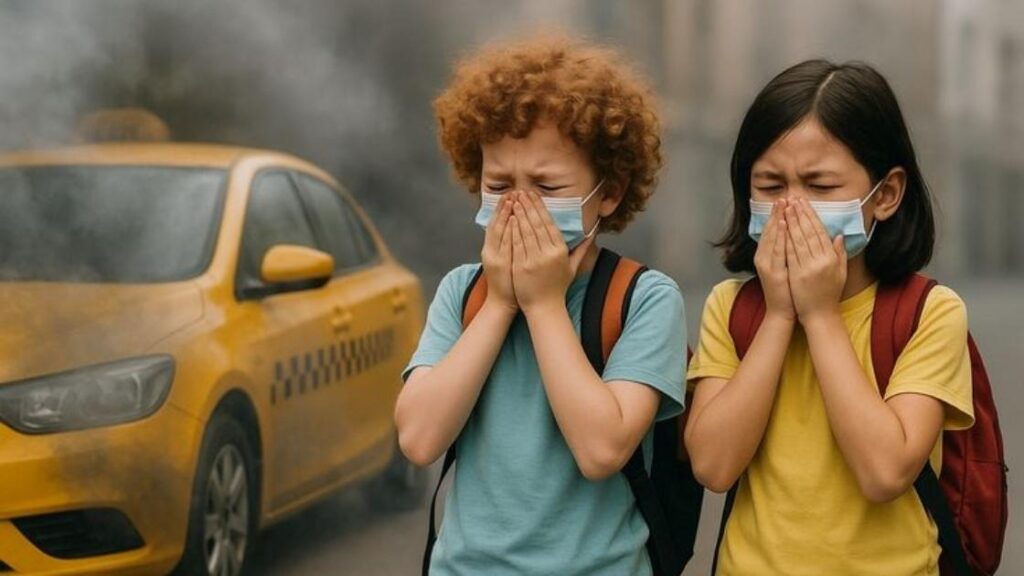
Diseases caused by pollution represent a significant public health challenge requiring coordinated international response. Low and middle income countries bear disproportionate burdens due to less stringent environmental regulations and limited healthcare infrastructure. However, pollution respects no borders, making this a truly global concern demanding collective action from governments, industries, and individuals alike.
Conclusion
Diseases caused by pollution represent a serious and growing threat to global public health that demands immediate attention. From respiratory illnesses and cardiovascular problems to cancers and neurological disorders, environmental toxins are silently compromising our wellbeing every day. Understanding the connection between air pollution, water contamination, and soil toxicity empowers you to take protective measures for yourself and your family.
While individual actions like using air purifiers and filtering drinking water help reduce exposure, addressing diseases caused by pollution ultimately requires collective effort. Supporting clean energy policies, advocating for stricter environmental regulations, and raising community awareness can create lasting change for healthier future generations.