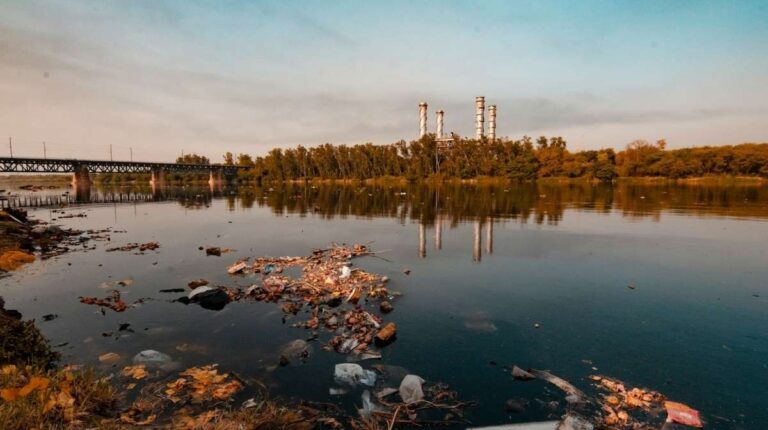
Diseases caused by pollution now kill more people annually than war, tuberculosis, malaria, and HIV combined. That single fact transformed the direction of my research career over a decade ago, and it should transform the way you think about the air you breathe, the water you drink, and the soil that grows your food.
Table of Contents
According to the Lancet Commission on Pollution and Health, environmental contamination contributes to roughly nine million premature deaths every year worldwide. That figure accounts for one in six deaths globally, making toxic exposure one of the leading preventable causes of illness on the planet.
This guide explains exactly how environmental toxins attack your respiratory, cardiovascular, and neurological systems. It covers threats from contaminated air, water, and soil, identifies who faces the greatest danger, and provides actionable steps grounded in scientific evidence to reduce your risk starting today.
The Staggering Scale of Pollution-Related Health Emergencies
The World Health Organization estimates that 99 percent of the global population breathes air exceeding recommended safety limits. That is not a statistic confined to heavily industrialized cities. Suburban communities, agricultural regions, and even remote areas experience hazardous pollutant levels from wildfire smoke, pesticide drift, and transboundary emissions.
In 2019 alone, outdoor air contamination contributed to 4.2 million premature deaths, while household air pollution from cooking fuels claimed an additional 3.8 million lives. Low and middle income nations shoulder approximately 92 percent of this burden, according to WHO data. These numbers are not abstract. They represent parents, children, and workers whose lives were shortened by preventable exposure.
The economic toll is equally devastating. The World Bank reports that pollution-related welfare losses cost the global economy over 4.6 trillion dollars annually, equivalent to roughly 6.2 percent of global economic output. When communities invest in cleaner environments, the return appears not only in saved lives but in reduced healthcare spending and increased productivity. Understanding the full scope of diseases caused by pollution is essential for grasping why these investments matter.
How Air Pollution Affects Human Health Through the Respiratory System
Your lungs serve as the first point of contact between your body and airborne toxins. Every inhalation draws in a mixture of gases and particles, and when that mixture contains elevated concentrations of pollutants, the damage begins immediately.
Fine particulate matter classified as PM2.5 represents the most dangerous component. These particles measure less than 2.5 micrometers in diameter, roughly thirty times thinner than a human hair. Their microscopic size allows them to bypass the body’s natural filtration defenses, penetrate deep into the alveoli, and cross directly into the bloodstream.
Chronic Lung Conditions Driven by Toxic Air
Chronic obstructive pulmonary disease stands among the most widespread diseases caused by pollution affecting the respiratory system. The Global Burden of Disease Study found that ambient air contamination was responsible for approximately 50 percent of COPD cases in developing countries. Patients experience progressive, irreversible loss of breathing capacity that severely limits daily activity.
Asthma rates tell an equally alarming story. Research published by the European Respiratory Society demonstrated that children living within 200 meters of major roadways face a 40 percent higher risk of developing asthma compared to those in cleaner neighborhoods. Nitrogen dioxide from vehicle exhaust inflames the airways, triggering attacks that send millions to emergency rooms annually.
Lung cancer risk also rises substantially with prolonged exposure. The International Agency for Research on Cancer officially classifies outdoor air contamination as a Group 1 carcinogen, placing it in the same category as tobacco smoke and asbestos.
Why Children and the Elderly Face Elevated Respiratory Danger
Children breathe approximately 40 to 60 times per minute compared to the adult average of 12 to 20. This faster respiratory rate means they inhale proportionally more pollutants relative to their body weight. UNICEF reports that approximately 600 million children worldwide breathe severely toxic air every day.
Their lungs are still developing, which means toxic exposure during early years can cause permanent structural changes that reduce breathing capacity for life. Elderly individuals face a different but equally serious vulnerability. Aging weakens the respiratory immune defenses, making older adults far more susceptible to pollution-triggered pneumonia, bronchitis, and exacerbations of existing conditions. Respiratory conditions remain among the most frequently diagnosed diseases caused by pollution in both age groups.
The Hidden Cardiovascular Damage From Environmental Contamination
Most people associate pollution with coughing and breathing difficulties. Few realize that environmental toxins pose an equally severe threat to your heart and circulatory system. This connection represents one of the most critical findings in modern environmental health research.
When PM2.5 particles enter the bloodstream through the lungs, they provoke systemic inflammation that damages arterial walls. This inflammation accelerates atherosclerosis, the gradual buildup of fatty deposits that narrow blood vessels and restrict blood flow to vital organs.
Heart Attack and Arterial Disease
A landmark study published in the New England Journal of Medicine tracked over 65,000 women for six years and found that every 10 microgram per cubic meter increase in PM2.5 exposure raised the risk of cardiovascular death by 76 percent. That is not a minor elevation. It represents a dramatic shift in mortality risk from something most people cannot even see.
The American Heart Association has formally recognized air contamination as a modifiable cardiovascular risk factor alongside smoking, high cholesterol, and obesity. Populations living near highways, power plants, and industrial facilities consistently show higher rates of heart attacks, atherosclerosis, and sudden cardiac death. Cardiovascular conditions now rank among the deadliest diseases caused by pollution globally.
Stroke and Blood Pressure Complications
Chronic exposure to nitrogen dioxide and sulfur dioxide elevates blood pressure by triggering persistent vascular inflammation and oxidative stress. A 2021 meta-analysis covering over 28 million participants confirmed a statistically significant association between long-term pollutant exposure and increased stroke incidence.
The mechanism is straightforward. Toxins enter the blood, damage the endothelial lining of vessels, promote clot formation, and raise systemic blood pressure. Over years, this repeated assault makes catastrophic cardiovascular events far more likely, particularly among adults over fifty.
Neurological and Cognitive Consequences of Toxic Exposure
Perhaps the most alarming frontier in pollution research involves the brain. Scientists have discovered that ultrafine particles and certain volatile compounds cross the blood-brain barrier, depositing toxic material directly within neural tissue.
This finding has profound implications. It means that the air you breathe does not just harm your lungs and heart. It can fundamentally alter how your brain functions, develops, and ages. Neurological disorders are among the most underrecognized diseases caused by pollution in clinical practice today.
Brain Development in Children
A major study conducted by the Barcelona Institute for Global Health tracked over 2,600 children and found that those exposed to higher traffic-related pollution levels scored significantly lower on working memory and attention tests. The cognitive differences were measurable and persistent.
These impacts during critical developmental windows can shape educational outcomes, career trajectories, and quality of life across an entire lifespan. When a child’s brain is exposed to neurotoxic particles during the years of peak neural growth, the damage often becomes permanent.
Dementia and Cognitive Decline in Adults
For older adults, the risks are equally serious. Research published in The Lancet Planetary Health found that long-term PM2.5 exposure increased dementia risk by approximately 40 percent. Inflammation markers discovered in the brain tissue of individuals from highly polluted regions directly correlated with their lifetime exposure levels.
Depression, anxiety, and Parkinson’s disease have also been linked to chronic environmental toxin exposure. The neurological dimension of pollution-related illness remains underrecognized by both patients and physicians, meaning countless cases go undiagnosed or are attributed to other causes.
Waterborne and Soil-Based Threats You Cannot Ignore
Airborne contamination dominates public conversation, but water and soil pollution pose equally devastating risks that receive far less attention. These pathways deliver toxins directly into your digestive system and food supply, contributing to a wide range of diseases caused by pollution that many people never connect to environmental sources.
Contaminated Drinking Water and Digestive Illness
The WHO estimates that at least two billion people worldwide use drinking water sources contaminated with fecal matter. Industrial runoff, agricultural chemicals, and aging infrastructure compound the problem by introducing heavy metals, pharmaceutical residues, and synthetic compounds into water supplies.
Cholera, typhoid, hepatitis A, and dysentery remain leading causes of childhood death in developing regions. Even in industrialized nations, contamination events like the Flint, Michigan water crisis demonstrated that lead poisoning from aging pipes can devastate entire communities, causing irreversible neurological damage in thousands of children.
How Soil Toxins Enter Your Food Supply
Contaminated soil transfers hazardous substances into crops and livestock through root absorption and grazing. Heavy metals like cadmium, mercury, and arsenic accumulate in agricultural products and eventually reach your plate without any visible sign of contamination.
Persistent organic pollutants and pesticide residues in soil contribute to chronic kidney disease, liver dysfunction, hormonal disruption, and several types of cancer. These conditions typically develop over years of low-level dietary exposure, making the connection between contaminated food and chronic illness extremely difficult for most people to recognize.
Reproductive Disorders and Multigenerational Health Impacts
Environmental toxins disrupt the endocrine system by mimicking or blocking natural hormones. This interference causes measurable harm to reproductive health in both men and women, including reduced fertility, menstrual irregularities, and diminished sperm quality. Reproductive complications represent a growing category of diseases caused by pollution that demands greater public awareness.
Pregnant women face particular danger. Research from the National Institute of Environmental Health Sciences demonstrates that pollutants cross the placental barrier and directly affect fetal development. Studies link prenatal exposure to low birth weight, premature delivery, birth defects, and elevated risk of childhood asthma.
These findings transform pollution from a single-generation problem into a multigenerational health threat. The toxic exposure a mother experiences today can shape her child’s health outcomes for decades.
Who Faces the Greatest Risk From Pollution-Related Illness
While environmental toxins threaten every person on the planet, certain populations experience disproportionately severe consequences. Recognizing these vulnerable groups helps direct protective efforts where they matter most and highlights the unequal distribution of diseases caused by pollution across communities.
Children inhale more air per kilogram of body weight than adults, and their still-developing organs absorb toxins at significantly higher rates. Their physical proximity to ground level, where heavier pollutants settle, further amplifies exposure.
Elderly individuals possess weakened immune defenses that struggle to neutralize environmental contaminants, and preexisting conditions like diabetes, cardiovascular disease, and chronic respiratory illness are worsened dramatically by ongoing toxic exposure.
Pregnant women must exercise exceptional caution because pollutants cross the placental barrier and directly impact fetal organ development, brain growth, and long-term health outcomes.
Communities near industrial zones, major highways, and waste disposal sites face chronic elevated exposure levels, with residents in low-income neighborhoods often lacking both the resources and political influence to demand cleaner environments.
Proven Strategies to Reduce Your Pollution Exposure Today
Understanding how air pollution affects human health empowers you to take meaningful, evidence-based protective action. Preventing diseases caused by pollution starts with daily habits that reduce your toxic burden. While large-scale policy reform remains essential, individual strategies can significantly lower your daily exposure.
Check your local air quality index every morning using platforms like AirNow or IQAir before planning outdoor activities, and stay indoors during high-pollution alerts.
Invest in a certified HEPA air purifier for your bedroom and primary living spaces to filter out PM2.5 and other fine particulates from indoor air.
Schedule outdoor exercise during early morning hours when vehicle emission levels are lowest, and choose routes away from major roads and intersections.
Install a multi-stage water filtration system to remove heavy metals, chlorine byproducts, and microbial contaminants from your household drinking supply.
Improve indoor ventilation by servicing HVAC systems annually, using exhaust fans while cooking, and minimizing chemical-based cleaning products that release volatile organic compounds.
Choose organically grown produce when possible, especially for high-pesticide crops identified in the Environmental Working Group’s annual Dirty Dozen list.
Advocate for stronger environmental regulations in your community by supporting clean energy initiatives, attending local planning meetings, and holding elected officials accountable for air and water quality standards.
Why Indoor Air Quality Deserves Equal Attention
Most people assume their homes are safe zones, but indoor environments sometimes contain pollutant concentrations two to five times higher than outdoor levels, according to the EPA. Cooking fumes, mold spores, off-gassing from furniture and building materials, tobacco residue, and inadequate ventilation all contribute to poor indoor air. Many of the diseases caused by pollution that affect respiratory and cardiovascular health can be traced back to chronic indoor exposure.
Simple interventions make a measurable difference. Opening windows during low-pollution hours, maintaining clean air filters, removing shoes at the door, and introducing air-purifying houseplants all help reduce the toxic load inside your living spaces.
Final Thoughts
The scientific evidence is unambiguous. Diseases caused by pollution attack virtually every organ system in your body, from the airways and arteries to the brain and reproductive organs. Respiratory illness, cardiovascular disease, neurological decline, waterborne infections, and developmental disorders all trace directly back to the toxic substances saturating our air, water, and soil.
You do not have to wait for governments to act before protecting yourself. Monitoring air quality, filtering your water, improving indoor ventilation, choosing cleaner food sources, and advocating for policy reform are all steps within your reach today. Every action you take reduces the cumulative toxic burden on your body and the bodies of those you love.
The fight for cleaner environments is ultimately a fight for human health. It begins with understanding the threat, and it continues with the daily choices that determine whether pollution controls your future or you control your exposure to it.
What are the most common diseases caused by pollution worldwide?
The most widespread illnesses linked to environmental contamination include chronic obstructive pulmonary disease, asthma, lung cancer, ischemic heart disease, stroke, and various gastrointestinal infections from contaminated water. The Lancet Commission reports that these conditions collectively account for the majority of the nine million annual pollution-related deaths globally.
How does air pollution damage the heart if you breathe it into your lungs?
Fine particles smaller than 2.5 micrometers penetrate through lung tissue and enter the bloodstream directly. Once circulating, these particles trigger inflammation in arterial walls, promote plaque buildup, and increase clot formation risk. The American Heart Association recognizes this pathway as a significant and modifiable cardiovascular risk factor.
Are children more vulnerable to pollution than adults?
Yes, significantly. Children breathe faster, inhale more air relative to their size, and have immature immune and respiratory systems. UNICEF data shows approximately 600 million children breathe severely polluted air daily, and exposure during developmental years can cause permanent cognitive and respiratory damage.
Can indoor air be more polluted than outdoor air?
Absolutely. The EPA reports that indoor air pollutant concentrations can reach two to five times higher than outdoor levels. Cooking without proper ventilation, chemical cleaning products, mold, tobacco smoke, and off-gassing from synthetic materials all contribute to degraded indoor air quality.
What is the single most effective thing I can do to reduce my exposure?
Monitoring daily air quality through platforms like AirNow and adjusting outdoor activity accordingly is the simplest high-impact habit. Pairing this with a HEPA air purifier indoors creates a substantial reduction in your daily particulate matter intake, which research shows meaningfully lowers cardiovascular and respiratory risk over time.
Does pollution only affect people in cities?
No. Agricultural burning, pesticide application, wildfire smoke, and industrial emissions travel across vast distances. Rural communities face their own pollution profiles, and the WHO confirms that 99 percent of the global population, regardless of location, breathes air that fails to meet recommended safety guidelines.