
The ocean has always fascinated humanity with its mysteries, beauty, and depth. Covering over 70% of the Earth’s surface, the sea is more than just a vast body of water it is a world full of secrets waiting to be discovered. Scientists continue to uncover incredible insights about marine life, ocean currents, ecosystems, and natural phenomena. In this article, we’ll dive into some of the most fascinating Sea Science Facts that highlight the ocean’s importance and its role in sustaining life on our planet.
Why Learning Sea Science Facts Matters
The ocean is a life-support system for Earth. It produces more than half of the oxygen we breathe, regulates global climate, and provides food and resources for billions of people. By exploring Sea Science Facts, we gain a deeper understanding of how interconnected our lives are with marine ecosystems. This knowledge not only sparks curiosity but also inspires efforts to protect the ocean from threats like pollution, overfishing, and climate change.
The Ocean’s Immense Depth and Size
One of the most incredible Sea Science Facts is the sheer size of the ocean. The Pacific Ocean alone is larger than all the continents combined, while the Mariana Trench, the deepest point on Earth, plunges nearly 11 kilometers below sea level. To put this in perspective, if Mount Everest were placed inside the trench, its peak would still be underwater. Despite advances in technology, scientists estimate that more than 80% of the ocean remains unexplored.
Oxygen Factories Beneath the Waves
When people think of oxygen, they often picture trees and forests. However, one of the most surprising Sea Science Facts is that marine phytoplankton—tiny plant-like organisms in the ocean—produce most of the world’s oxygen. These microscopic organisms use photosynthesis to create oxygen while absorbing carbon dioxide, making them essential for maintaining Earth’s atmosphere. Without them, life as we know it would not exist.
Extraordinary Marine Life
The sea is home to millions of species, many of which remain undiscovered. From giant blue whales to tiny bioluminescent plankton, the diversity of marine life is astonishing. Among the most fascinating Sea Science Facts is that more than 90% of ocean creatures live in the dark, cold depths below sunlight’s reach. Some species have developed incredible adaptations, such as glowing in the dark, surviving extreme pressures, or creating their own light to attract prey.
The Role of Ocean Currents
Another set of important Sea Science Facts revolves around ocean currents. These massive, continuous flows of water act as conveyor belts, distributing heat across the globe. Warm currents bring mild climates to coastal areas, while cold currents support nutrient-rich waters that sustain fisheries. Without currents, Earth’s climate would be far less stable, and marine ecosystems would struggle to survive.

The Ocean as a Carbon Sink
Climate scientists often emphasize the importance of the sea in fighting global warming. One of the most vital Sea Science Facts is that the ocean absorbs nearly one-third of human-produced carbon dioxide. This natural carbon sink slows the pace of climate change but also causes ocean acidification, which threatens coral reefs, shellfish, and other marine species. Understanding this process helps us recognize the ocean’s role in protecting our planet.
Sounds of the Deep
Unlike land, where sound fades quickly, the ocean is a perfect medium for carrying sound over vast distances. Among the most surprising Sea Science Facts is that whales communicate using low-frequency sounds that can travel hundreds of miles underwater. Scientists also use sonar technology to study ocean depth, map the seafloor, and detect marine life. However, noise pollution from ships and industrial activity is now interfering with marine animals’ ability to navigate and communicate.
The Ocean’s Hidden Treasures
The ocean floor is filled with valuable resources such as minerals, oil, and natural gas. Yet one of the most overlooked Sea Science Facts is that the ocean provides renewable resources as well. From tidal energy to offshore wind farms, marine environments are key to building a sustainable energy future. If used responsibly, the ocean can help meet human needs without destroying ecosystems.
Strange but True Sea Science Facts
- The pressure at the bottom of the Mariana Trench is over 1,000 times greater than sea level pressure.
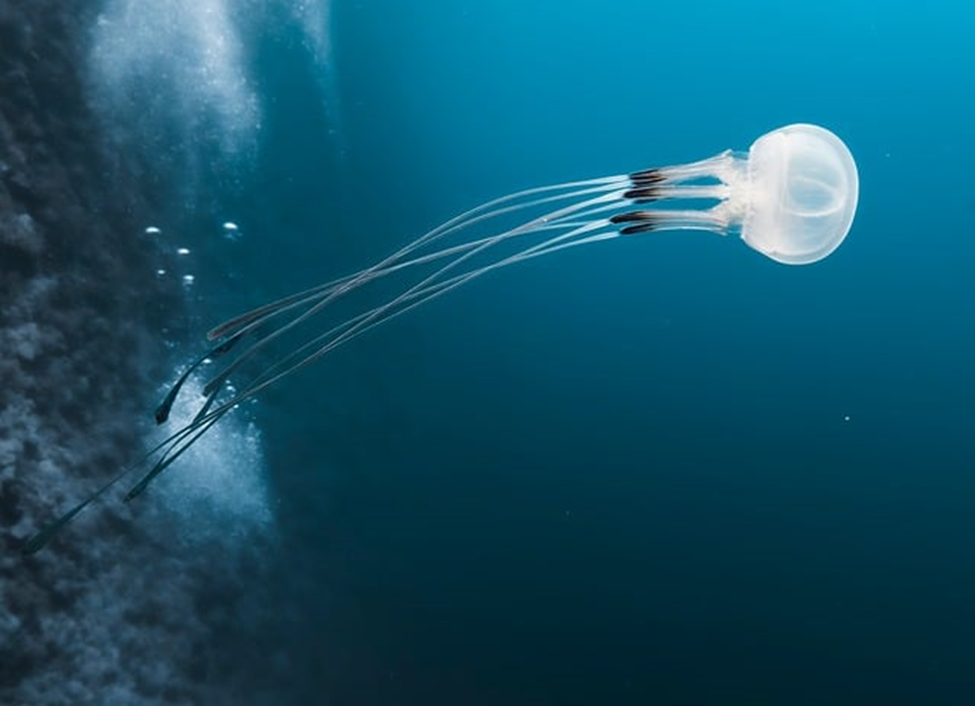
- Some jellyfish species are considered biologically “immortal” because they can revert to earlier stages of life.
- There are underwater lakes and rivers formed by dense salty water that flows separately from the surrounding sea.
These unusual Sea Science Facts show just how much mystery still lies beneath the waves.
Threats to the Ocean
While the sea is powerful and vast, it is not invincible. Among the most concerning Sea Science Facts is that human activity is causing irreversible damage. Plastic pollution alone kills over one million marine animals each year. Rising sea levels, coral bleaching, and declining fish populations also threaten the balance of marine ecosystems. Protecting the ocean is not just about saving sea life it is about preserving human survival as well.
Conclusion
The ocean is a source of wonder, inspiration, and survival. By learning about Sea Science Facts, we gain a new perspective on the essential role the sea plays in our lives. From producing oxygen to regulating the climate and sustaining incredible biodiversity, the ocean truly is Earth’s beating heart. As we uncover more of its secrets, we must also take responsibility for protecting it. After all, the future of humanity depends on the health of the sea, and the knowledge we gain today can guide us toward a more sustainable tomorrow.