
Every year, over 400 million tons of plastic waste enters our environment, making plastic pollution information more urgent than ever before. From the deepest ocean trenches to remote mountain peaks, synthetic materials have infiltrated every corner of our planet. The crisis affects marine ecosystems, wildlife habitats, and ultimately human health in ways many people still don’t fully understand.
This comprehensive guide draws on findings from leading environmental researchers and peer-reviewed studies to give you the facts that matter most. You’ll discover how microplastics enter food chains, why single-use plastics remain so problematic, and what ocean contamination means for coastal communities worldwide. We’ll also explore practical waste reduction strategies and examine current recycling challenges facing municipalities globally. Whether you’re a student, educator, or concerned citizen, understanding these environmental realities empowers you to make informed decisions and contribute to meaningful change. Now I have comprehensive research data. Let me write the main body section.
What Is Plastic Pollution Information and Why Does It Matter
Understanding plastic pollution information begins with recognizing the scale of this environmental crisis. Plastic pollution refers to the accumulation of synthetic polymer materials in natural environments where they cause harm to ecosystems, wildlife, and human health. In 2023, global plastic production reached 436 million metric tons, with 75% of all plastic ever produced becoming waste that often leaks into oceans and ecosystems.
The environmental contamination from plastic waste has reached unprecedented levels. Since 1950, plastics production and use has increased 230 fold, creating significant environmental and health risks especially for short lived applications. Scientists now find synthetic debris in virtually every corner of the planet, from deep ocean trenches to remote polar regions. This widespread distribution makes understanding plastic pollution information essential for anyone concerned about ecological preservation and public health protection.
The Science Behind Plastic Breakdown and Persistence
How Plastics Fragment Into Microparticles
When plastic items enter the environment, they don’t simply disappear. Plastic never goes away but just breaks down into finer and finer particles, according to researchers studying this phenomenon. Sunlight, wave action, and physical weathering gradually fragment larger items into smaller pieces called microplastics, which measure less than five millimeters in diameter.
Plastics with greater density than seawater sink and accumulate in deep sea canyons and trenches, while floating plastics are transported by waves, wind, and currents, sometimes aggregating in areas like the Great Pacific Garbage Patch. These tiny particles persist in the environment for centuries because most plastic polymers resist natural biodegradation processes.
Chemical Composition and Environmental Risks
The market and marine litter are dominated by six plastic types: polypropylene, polyethylene, polyvinylchloride, polyurethane, polyterephthalate, and polystyrene, which together comprise approximately 80 percent of total plastics production. Each type carries different chemical additives that can leach into surrounding soil and water, creating additional contamination concerns beyond the physical debris itself.
Types and Sources of Plastic Contamination
Land Based Sources
Most marine debris, approximately 80%, comes from trash and debris in urban runoff and other land based sources including litter from construction, ports, commercial facilities, and trash blown from garbage containers and landfills. Urban areas generate substantial quantities of packaging materials, beverage containers, and disposable items that enter waterways through storm drains and improper disposal.
Ocean Based Sources
Ocean based activities account for approximately 20% of plastic contamination entering marine environments, stemming from routine shipping operations, unintentional spills, and discarded fishing equipment commonly referred to as ghost gear by researchers. Discarded fishing nets continue trapping marine life long after abandonment, a process researchers call ghost fishing.
Health Implications Scientists Have Discovered
Recent research has produced alarming plastic pollution information regarding human health impacts. Microplastics have been found throughout the human body, including in brain tissue, testicles, heart, stomach, lymph nodes, and placenta, as well as in urine, breastmilk, semen, and meconium.
Documented Health Concerns
Toxic effects of microplastics documented in experimental models include oxidative stress, DNA damage, organ dysfunction, metabolic disorder, immune response, neurotoxicity, and reproductive and developmental toxicity. These findings have prompted urgent calls for additional research into long term exposure consequences.
The health effects extend to cardiovascular concerns as well. A recent study found heart disease patients with microplastics in the blood vessels on either side of their neck were twice as likely to suffer a heart attack or stroke and more likely to die over the following three years.
Five Critical Facts About Global Plastic Waste
- In 2024, 220 million tons of plastic waste was generated globally, averaging 28 kilograms per person worldwide, with one third becoming mismanaged and entering the natural environment.
- Global plastic manufacturing has exceeded 8.3 billion tonnes since the 1950s, and alarmingly, nearly 79% of this material has ended up in landfills or scattered across natural environments around the world.
- Plastic accounts for 85% of marine litter, with volumes expected to nearly triple by 2040.
- Between 1950 and 2020, 32 million tonnes of plastics accumulated in the ocean, equivalent to the weight of over 200,000 blue whales.
- Under business as usual scenarios, pollution is predicted to double to 44 million metric tons annually by 2060.
Practical Solutions and Prevention Strategies
Addressing synthetic waste contamination requires action at multiple levels. Gathering accurate plastic pollution information empowers individuals, communities, and governments to implement effective strategies.
Individual Actions That Make a Difference
Consumers can reduce microplastic exposure by filtering water at home, avoiding plastic cutting boards, and microwaving food in glass containers rather than plastic or takeaway containers which can release millions of microplastic particles.
Policy and Industry Approaches
Preventing accumulation of plastic pollutants, implementing the 3Rs framework of Reduce Recycle Reuse, building awareness and capacity, and establishing producer responsibility are practical approaches toward addressing plastic contamination. Extended producer responsibility programs are gaining traction worldwide, requiring manufacturers to manage their products throughout the entire lifecycle.
Five Steps Communities Can Take Now
- Implement comprehensive waste management infrastructure with proper collection and sorting systems
- Support legislation banning unnecessary single use plastic items in retail and food service
- Invest in research and development of sustainable biodegradable alternatives
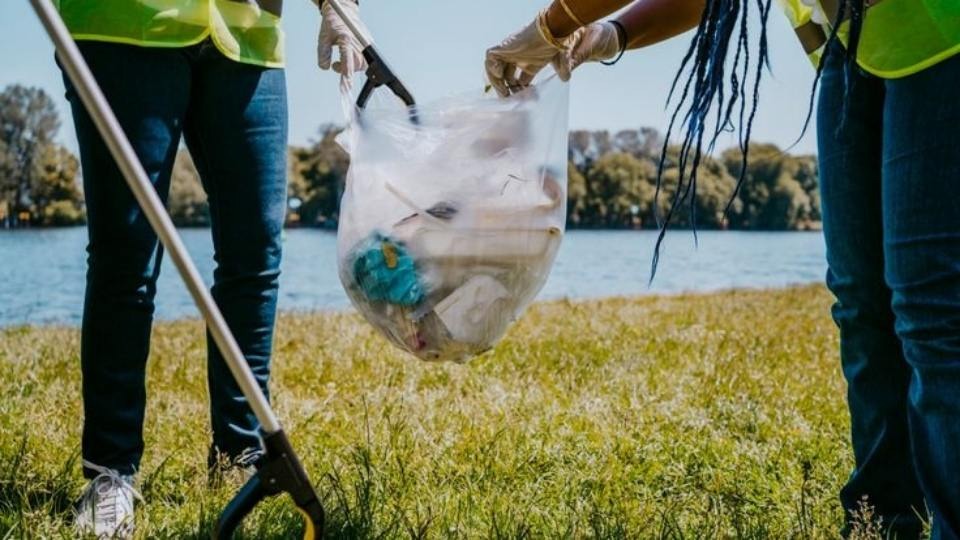
- Organize regular community cleanup events along waterways and coastal areas
- Educate residents about proper recycling practices and contamination prevention
Current Challenges in Waste Management
The scale of the challenge remains significant, with global efforts to address plastic risks having not been enough despite increased policies and initiatives. Recycling infrastructure struggles to keep pace with production volumes, and many regions lack adequate facilities for processing collected materials.
Twelve countries including China, Russia, India, Brazil, and Mexico are responsible for 60% of the world’s mismanaged plastic waste, highlighting the need for targeted international cooperation. Developing nations often receive exported waste from wealthier countries but lack capacity to process these materials safely.
Understanding plastic pollution information reveals that while challenges remain substantial, meaningful progress is possible through coordinated action. Recommended actions could cut annual production of new plastic by 44% by 2040 compared with current projections, achieving a 14% reduction from 2025 levels while maintaining the same level of service for consumers and businesses. The path forward requires commitment from governments, industries, and individuals working together toward shared environmental goals.
Conclusion
The evidence is clear: plastic pollution information shared by environmental scientists reveals an urgent crisis demanding immediate attention. From microplastics infiltrating human organs to ocean ecosystems choking on synthetic debris, the consequences of inaction grow more severe each year. However, meaningful solutions exist through improved waste management, reduced single use consumption, and stronger producer responsibility policies.
Understanding plastic pollution information empowers communities to make informed decisions about environmental protection. By combining individual lifestyle changes with systemic policy reforms, we can reduce marine contamination, protect wildlife habitats, and safeguard public health for future generations. The time for action is now.