
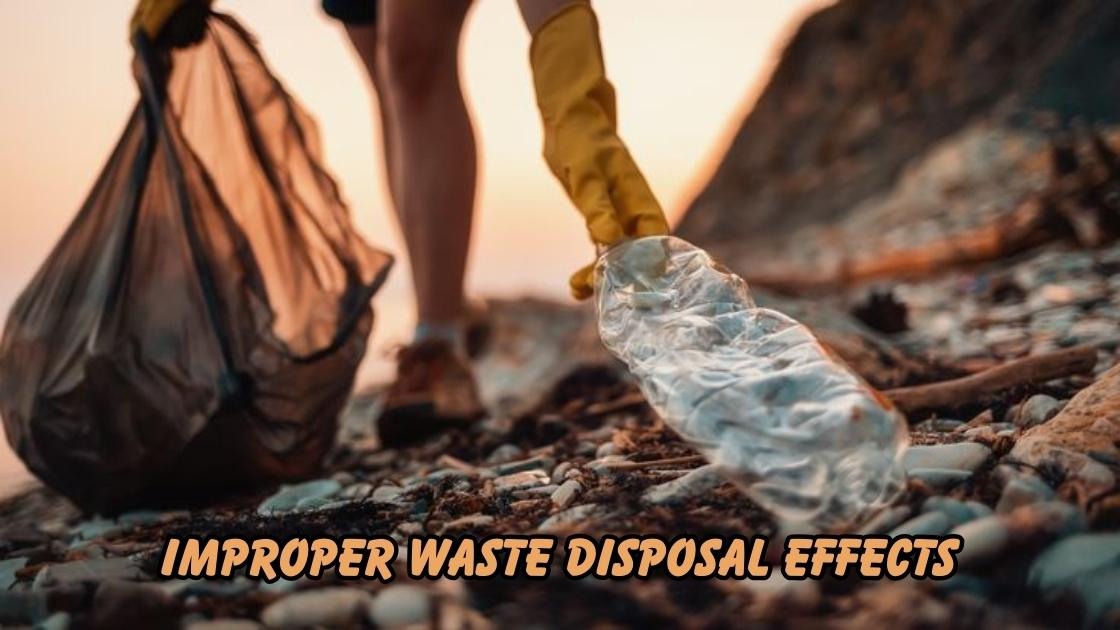
Every year, billions of tons of garbage end up in landfills, oceans, and illegal dump sites, and the improper waste disposal effects are far more devastating than most people realize. From contaminated drinking water to toxic soil that can no longer grow crops, the consequences touch every aspect of our daily lives.
Environmental scientists have spent decades studying how poor waste management practices harm ecosystems, wildlife, and human health. The findings are alarming yet often overlooked by the general public.
This article breaks down exactly what happens when waste isn’t handled correctly. You’ll learn about groundwater pollution, air quality degradation, disease transmission, and the long-term environmental damage that communities face worldwide. Whether you’re a concerned homeowner, student, or sustainability advocate, understanding these impacts is the first step toward meaningful change and protecting our planet for future generations.
Understanding Improper Waste Disposal Effects and Why Scientists Are Concerned
Improper waste disposal refers to the careless or illegal dumping of garbage, hazardous materials, and recyclable items in ways that violate environmental regulations. This includes throwing trash in open areas, burning waste without proper controls, and dumping chemicals into water bodies.
This issue has escalated dramatically in recent decades. Rapid urbanization, population growth, and increased consumption have created more waste than ever before. Many communities lack adequate infrastructure to handle this surge, leading to widespread environmental contamination and public health crises.
Environmental scientists emphasize that understanding this issue is crucial because waste doesn’t simply disappear. It transforms, breaks down, and releases harmful substances that affect everything around it for years or even centuries.
How Improper Waste Disposal Effects Damage Our Environment
Soil Contamination and Land Degradation
When waste accumulates in unauthorized areas, toxic substances leach into the ground. Heavy metals like lead, mercury, and cadmium seep deep into the soil, making it unsuitable for agriculture. Farmers in affected regions often report reduced crop yields and contaminated produce that poses health risks to consumers.
The improper waste disposal effects on soil are particularly concerning because remediation is expensive and time consuming. Once contaminated, land may take decades to recover naturally, leaving communities with unusable terrain and diminished property values.
Water Pollution and Aquatic Ecosystem Destruction
Perhaps the most alarming consequence involves our water sources. Improperly discarded waste often finds its way into rivers, lakes, and underground aquifers. Plastic debris, chemical runoff, and organic waste create a toxic mixture that devastates aquatic life.
Marine pollution from poor garbage management has reached crisis levels. Fish populations are declining, coral reefs are dying, and microplastics have entered the food chain. Scientists estimate that by 2050, oceans could contain more plastic than fish if current trends continue.
Air Quality Deterioration
Open burning of garbage releases dangerous pollutants including carbon monoxide, dioxins, and particulate matter. These emissions contribute to respiratory diseases and worsen climate change. Communities near illegal dump sites often experience higher rates of asthma and other breathing problems.
The improper waste disposal effects on air quality extend beyond local areas. Wind carries pollutants across regions, meaning irresponsible practices in one location affect populations far away.
Health Consequences That Environmental Experts Have Documented
Direct Human Health Impacts
Exposure to improperly managed waste creates serious health risks. Medical researchers have linked contaminated environments to various conditions that affect millions worldwide.
- Respiratory infections from inhaling toxic fumes and particulate matter released by decomposing or burning garbage
- Skin diseases caused by direct contact with hazardous materials in contaminated soil and water
- Gastrointestinal illnesses from consuming food or water tainted by waste runoff
- Neurological disorders linked to heavy metal exposure, particularly affecting children’s development
- Increased cancer rates in communities living near poorly managed landfills and dump sites
Disease Vector Proliferation
Accumulated garbage creates breeding grounds for disease carrying organisms. Mosquitoes, rats, and flies thrive in waste piles, spreading illnesses like dengue fever, leptospirosis, and cholera. The improper waste disposal effects on public health multiply when these vectors establish themselves in residential areas.
Economic and Social Impacts Communities Face
Poor waste management practices create significant financial burdens. Municipalities spend millions on cleanup efforts, healthcare costs rise, and tourism suffers in polluted areas. Property values decline near contaminated sites, affecting homeowners and local economies.
The social implications are equally troubling. Low income communities often bear the heaviest burden because illegal dumping frequently occurs in marginalized neighborhoods. This environmental injustice perpetuates cycles of poverty and health disparities.

Types of Waste That Cause the Most Damage
Different waste categories create unique environmental challenges when improperly handled.
- Electronic waste contains toxic components like lead and mercury that contaminate soil and groundwater
- Medical waste poses biohazard risks and can spread infectious diseases throughout communities
- Industrial chemicals cause severe water pollution and long term ecosystem damage
- Plastic waste persists for centuries, breaking into microplastics that enter food chains
- Organic waste generates methane, a potent greenhouse gas contributing to climate change
Understanding these categories helps communities prioritize proper disposal methods and reduce the improper waste disposal effects that threaten environmental and human health worldwide.
Conclusion
The improper waste disposal effects discussed throughout this article highlight an urgent environmental crisis demanding immediate attention. From soil contamination and water pollution to serious public health risks, the consequences of poor garbage management affect every living organism on our planet.
Environmental scientists continue warning that without significant changes in how we handle trash, hazardous materials, and recyclables, these problems will only worsen. Each community, household, and individual plays a vital role in reducing waste pollution and protecting ecosystems.
Taking action today through proper recycling, supporting waste management infrastructure, and raising awareness can help minimize improper waste disposal effects for future generations. The time for change is now.