
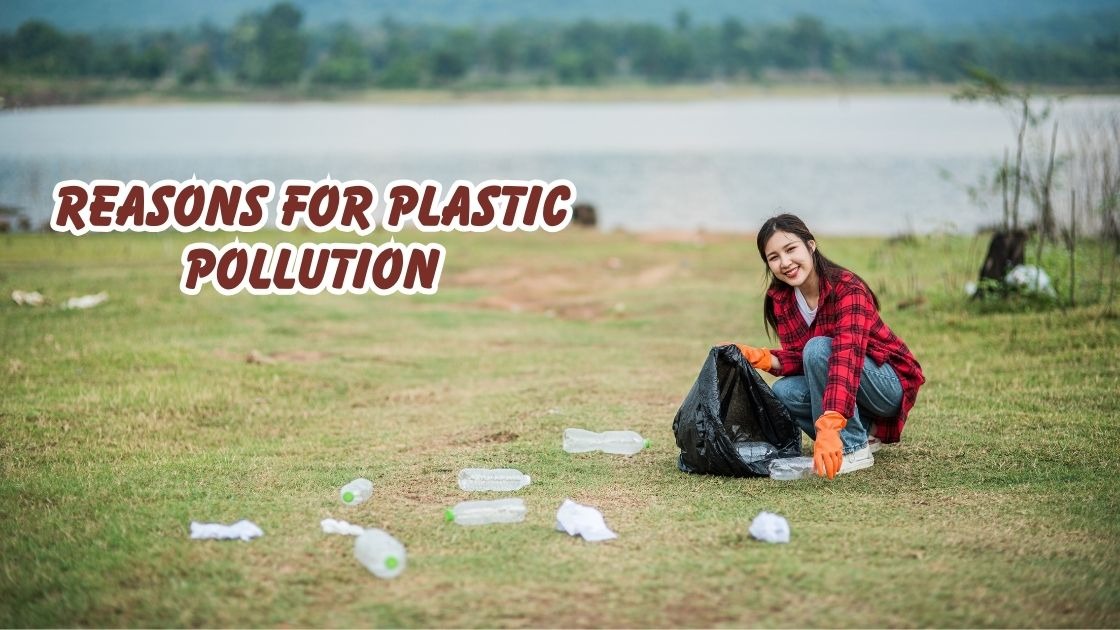
Every year, over 400 million tons of plastic waste enters our environment, yet the reasons for plastic pollution extend far beyond what most people realize. While we often blame visible culprits like plastic bags and bottles, the hidden sources quietly contributing to this environmental crisis go unnoticed in our daily routines.
From synthetic clothing fibers released during laundry to microplastics in personal care products, the origins of ocean contamination and environmental degradation are surprisingly embedded in modern conveniences. Single-use packaging, industrial waste, and poor recycling infrastructure compound this growing problem worldwide.
This article uncovers the overlooked causes of plastic waste that silently damage marine ecosystems and human health. By understanding these lesser-known contributors to plastic contamination, you can make informed choices and take meaningful action toward reducing your environmental footprint starting today.
Understanding Plastic Pollution and Its Global Impact
Plastic pollution refers to the accumulation of plastic materials in the environment, causing harm to wildlife, ecosystems, and human health. Since the 1950s, humans have produced approximately 8.3 billion metric tons of plastic, with nearly 60 percent ending up in landfills or natural habitats. The reasons for plastic pollution are deeply rooted in consumer behavior, industrial practices, and systemic failures in waste management.
This environmental crisis affects every corner of our planet, from the deepest ocean trenches to remote mountain peaks. Understanding the causes behind this problem helps us identify practical solutions and make better choices for our planet’s future.
Primary Reasons for Plastic Pollution You Should Know
Excessive Single Use Plastic Consumption
One of the leading reasons for plastic pollution is our dependence on disposable plastic items. Convenience has become a priority in modern society, leading to widespread use of plastic bags, straws, cutlery, and food containers. These items serve their purpose for mere minutes but persist in the environment for hundreds of years.
The packaging industry alone accounts for nearly 40 percent of all plastic production globally. Fast food chains, grocery stores, and e-commerce businesses contribute significantly to plastic waste generation through excessive packaging materials that consumers discard immediately after purchase.
Inadequate Recycling Infrastructure
Despite growing awareness about environmental protection, recycling systems worldwide remain inefficient. Only 9 percent of all plastic ever produced has been recycled, revealing a massive gap between production and proper disposal. This infrastructure failure represents one of the critical reasons for plastic pollution continuing to escalate.
Many communities lack access to recycling facilities, while others face contamination issues that render collected materials unrecyclable. The complexity of plastic types further complicates sorting processes, making effective recycling challenging even in developed nations.
Industrial Manufacturing Practices
Manufacturing industries contribute substantially to plastic contamination through production waste and microplastic release. Factories processing raw plastic materials often discharge tiny particles into waterways, contributing to ocean pollution and marine ecosystem damage.
The textile industry deserves particular attention as synthetic fabrics like polyester and nylon shed microfibers during production and consumer use. These microscopic plastic particles escape wastewater treatment plants and accumulate in aquatic environments worldwide.
Hidden Contributors to Plastic Waste Accumulation
Microplastics in Personal Care Products
Many everyday products contain hidden plastic ingredients that most consumers never consider. Exfoliating scrubs, toothpaste, and cosmetics often include microbeads that wash directly into water systems. These tiny particles represent overlooked reasons for plastic pollution affecting freshwater and marine habitats.
Synthetic Clothing and Laundry Discharge
Each laundry cycle releases thousands of microfibers from synthetic garments into wastewater systems. A single wash can discharge up to 700,000 plastic fibers, making household laundry a surprising contributor to environmental contamination. This hidden source of plastic waste often escapes public awareness and discussion.
Tire Wear and Road Runoff
Vehicle tires contain synthetic rubber and plastic compounds that gradually wear down during driving. These particles become airborne or wash into storm drains, eventually reaching rivers and oceans. Transportation infrastructure contributes to plastic pollution in ways most people completely overlook.
Key Factors Accelerating the Plastic Crisis
The following elements intensify reasons for plastic pollution across communities worldwide:
- Rapid population growth increasing consumer demand for packaged goods
- Limited government regulations on plastic production and disposal
- Low cost of virgin plastic compared to recycled alternatives
- Insufficient public education about proper waste management
- Global trade transporting plastic waste to countries with poor disposal systems
Environmental and Health Consequences
Plastic waste creates devastating effects on wildlife and human populations alike. Marine animals ingest or become entangled in plastic debris, causing injury and death to millions of creatures annually. The breakdown of larger items into microplastics introduces toxic substances into food chains, ultimately reaching human consumers.
Communities near landfills and waste processing facilities face elevated health risks from plastic contamination. Air and water quality suffer as plastics release harmful chemicals during degradation, making reasons for plastic pollution a public health concern beyond environmental damage.

Practical Steps Toward Reducing Plastic Waste
Addressing the reasons for plastic pollution requires collective action from individuals, businesses, and governments. Consider implementing these changes:
- Switch to reusable shopping bags, water bottles, and food containers rather than throwaway items
- Support brands committed to sustainable packaging solutions
- Properly sort recyclable materials and reduce contamination
- Advocate for improved waste management policies locally
- Educate family and friends about hidden sources of plastic waste
Small daily choices accumulate into significant environmental impact when adopted by communities worldwide. Understanding why plastic pollution occurs empowers everyone to become part of the solution.
Conclusion
Understanding the reasons for plastic pollution empowers us to tackle this environmental crisis effectively. From single use plastic consumption and inadequate recycling systems to hidden microplastics in everyday products, the sources of contamination are diverse and often overlooked. Marine ecosystems, wildlife, and human health suffer consequences from our collective plastic dependency.
Taking meaningful action requires awareness of these reasons for plastic pollution combined with practical lifestyle changes. By choosing sustainable alternatives, supporting better waste management policies, and educating others about plastic contamination, we can collectively reduce our environmental footprint. Every small choice matters in protecting our planet for future generations.