
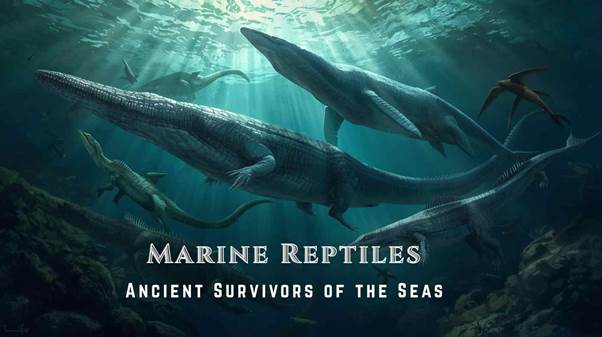
Marine reptiles have fascinated scientists and nature enthusiasts for centuries. These incredible creatures, adapted to life in the water, include both ancient giants like ichthyosaurs and modern survivors such as sea turtles. Marine reptiles represent one of nature’s most remarkable evolutionary stories, thriving in oceans while maintaining traits of their terrestrial ancestors.
Table of Contents
In this article, we’ll explore the definition and history of marine reptiles, highlight their importance to ecosystems, examine the benefits they bring to biodiversity, discuss the challenges they face, and provide real-world examples of these ocean dwellers. By the end, you’ll gain a clear understanding of why marine reptiles are essential for maintaining balance in Earth’s aquatic environments.
Marine Reptiles Defined: Understanding Their Unique Traits
Marine reptiles are cold-blooded vertebrates that spend much or all of their lives in aquatic environments. Unlike fish or marine mammals, they breathe air through lungs, lay eggs (some species), and rely on the sun or environment to regulate body temperature. Modern examples include sea turtles, sea snakes, and marine iguanas, while extinct species such as plesiosaurs and mosasaurs once ruled prehistoric oceans.
Key features of marine reptiles include:
- Streamlined bodies for swimming efficiency
- Lungs for breathing at the surface
- Salt glands to manage excess salt intake
- Adaptations for diving and navigating underwater environments
Marine Reptiles History: From Prehistoric Giants to Modern Survivors
The history of marine reptiles stretches back over 250 million years. During the Mesozoic Era, species such as ichthyosaurs, plesiosaurs, and mosasaurs dominated marine ecosystems. These reptiles evolved incredible adaptations, from long necks for catching prey to dolphin-like bodies for fast swimming.
When the mass extinction event at the end of the Cretaceous period wiped out most marine reptiles, only a few lineages survived. Today, sea turtles, crocodiles, and certain snakes carry forward this ancient legacy. Their survival underscores their resilience in the face of Earth’s ever-changing climate and ecosystems.
Marine Reptiles Importance: Why They Matter in Oceans
Marine reptiles play a critical role in maintaining the health of aquatic ecosystems. They contribute to:
- Biodiversity balance: Sea turtles help control jellyfish populations and maintain healthy seagrass beds.
- Nutrient cycling: Marine reptiles move nutrients from oceans to coastal regions, enriching food webs.
- Ecosystem stability: Predators such as crocodiles regulate fish and other prey populations.
Without marine reptiles, oceanic ecosystems would lose critical balance, leading to disruptions that affect countless other species, including humans.
Marine Reptiles Benefits: Ecological and Human Value
Beyond their ecological role, marine reptiles offer benefits that extend to human societies:
- Tourism and economy: Sea turtles and marine iguanas attract ecotourism, supporting coastal economies.
- Scientific research: Studying marine reptiles provides insight into evolution, adaptation, and climate resilience.
- Cultural significance: In many coastal communities, marine reptiles hold symbolic and traditional value.
These benefits highlight why conservation efforts for marine reptiles are not only about biodiversity but also about sustaining human livelihoods.
Marine Reptiles Challenges: Struggles in the Modern World
Despite their resilience, marine reptiles face mounting challenges that threaten their survival:
Habitat loss: Coastal development and pollution destroy nesting beaches for sea turtles.
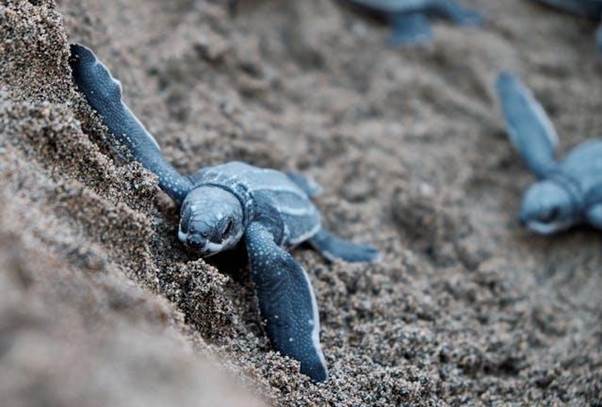
Climate change: Rising temperatures affect sex ratios in turtle hatchlings, destabilizing populations.
Overfishing and bycatch: Many reptiles are accidentally caught in fishing nets.
Plastic pollution: Ingesting plastic bags and waste is fatal to species like sea turtles.
Conservation efforts, including protected nesting sites, sustainable fishing practices, and pollution control, are essential to reverse these threats.
Marine Reptiles Examples: Iconic Species of the Seas
Several modern marine reptiles stand out as representatives of this ancient group:
- Sea turtles: Found worldwide, these reptiles migrate thousands of miles and play key ecological roles.
- Marine iguanas: Native to the Galápagos Islands, they are the only iguanas that forage in the sea.
- Sea snakes: With over 60 species, they thrive in Indo-Pacific waters and are highly adapted for aquatic life.
- Saltwater crocodiles: The largest living reptiles, capable of long-distance ocean travel.
These species demonstrate the diversity and adaptability of marine reptiles across the globe.
Marine Reptiles Conservation: Protecting Ancient Ocean Dwellers
Protecting marine reptiles requires global collaboration and long-term commitment. Conservation strategies include:
- Establishing marine protected areas
- Enforcing laws against illegal hunting and trade
- Promoting awareness campaigns in coastal communities
- Supporting scientific research for better monitoring
By prioritizing conservation, humanity ensures that marine reptiles continue to thrive as part of our shared natural heritage.
Conclusion
Marine reptiles are more than just remnants of the past they are vital players in today’s ecosystems. From prehistoric giants to modern-day survivors like sea turtles and crocodiles, their story reflects resilience, adaptation, and ecological importance. Protecting these species is not only about preserving biodiversity but also about safeguarding the health of oceans that humans depend on. To explore further, stay informed about conservation initiatives and support sustainable practices that keep marine reptiles alive for generations to come.