
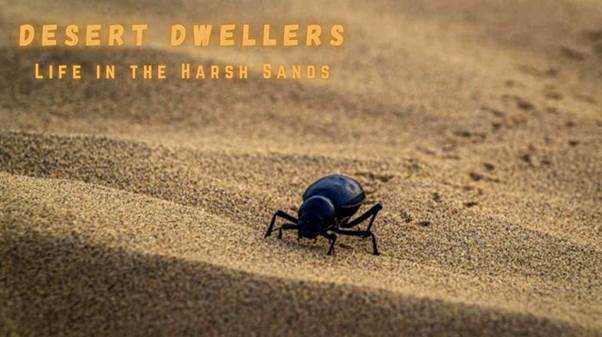
The resilience of desert dwellers has fascinated humans for centuries. These unique survivors whether plants, animals, or people endure some of the harshest conditions on Earth. In a world where water is scarce, temperatures are extreme, and resources are limited, desert dwellers showcase extraordinary adaptations that make survival possible. From nomadic tribes who build sustainable lives in arid lands to camels that cross vast dunes and cacti that thrive with minimal water, these species are living proof of nature’s ingenuity.
Table of Contents
This article explores the definition of desert dwellers, their history and evolution, ecological and cultural importance, remarkable adaptations, the challenges they face, and real-world examples of resilience, ending with conservation efforts that can secure their survival.
Related article: Desert Sands: Nature’s Timeless Landscapes
Defining Desert Dwellers
Who Are Desert Dwellers?
Desert dwellers are organisms and communities that live in arid and semi-arid regions defined by extreme heat during the day, cold nights, and very little rainfall. They include plants like succulents, animals such as camels, snakes, and foxes, and human populations like the Tuareg and Bedouins. All share one common trait adaptability in the face of scarcity.
Distinctive Features
To thrive in these unforgiving conditions, desert dwellers rely on:
• Physiological mechanisms such as water storage in cacti or fat-storing humps in camels
• Behavioral strategies like nocturnal activity among animals to avoid heat
• Cultural practices by humans, including mobility and sustainable use of limited resources
Evolution and Background of Desert Dwellers
Ancient Survival Strategies
The story of desert dwellers stretches back thousands of years. Early humans living in deserts built settlements around oases, devised irrigation channels, and practiced seasonal migrations. These strategies allowed civilizations to survive where life seemed impossible. For example, the ancient Egyptians relied on the Nile’s seasonal flooding to farm in desert conditions.
Nature’s Adaptive Evolution
Animals and plants evolved unique traits to cope with desert challenges. Lizards developed tough, water-retaining skin. Birds learned to extract water from their food. Mammals like fennec foxes evolved oversized ears that radiate heat away. Plants such as desert succulents developed thick cuticles and shallow root systems that absorb water quickly after rainfall.
Ecological and Cultural Importance of Desert Dwellers
Ecological Roles
Desert dwellers contribute significantly to their ecosystems:
• Vegetation prevents soil erosion and slows desertification
• Predators maintain prey balance, ensuring ecosystem stability
• Seed dispersers like rodents and birds contribute to biodiversity
Cultural Significance
Human desert dwellers enrich cultural heritage with art, music, and oral traditions. The Bedouins of Arabia, Tuareg of the Sahara, and San people of the Kalahari pass down knowledge about navigation, survival, and natural medicine. Their lifestyles reveal harmony with the environment and offer lessons for sustainable living.
Adaptations of Desert Dwellers
Physical Adaptations
Desert animals and plants have evolved extraordinary physical traits:
• Camels store fat in their humps, enabling long journeys without food or water
• Cacti replace leaves with spines to reduce evaporation
• Kangaroo rats extract water entirely from seeds, eliminating the need to drink
• Lizards and snakes regulate body temperature by basking or burrowing
Behavioral Adaptations
Equally important are behavioral adjustments:
• Owls, snakes, and foxes hunt at night to avoid daytime heat
• Desert nomads migrate seasonally to follow water and grazing routes
• Burrowing animals escape surface temperatures by living underground
• Birds such as sandgrouse travel long distances daily to fetch water for chicks
Challenges Faced by Desert Dwellers
Human-Induced Threats
Desert dwellers increasingly face threats caused by human activity:
• Overgrazing by livestock depletes fragile vegetation
• Expansion of cities and farms encroaches on natural habitats
• Poor water management drains aquifers and dries out oases
• Illegal hunting and trade put rare desert species at risk
Climate Change Pressures
Rising global temperatures amplify the hardships of desert life. Longer droughts, shrinking vegetation, and hotter conditions threaten both wildlife and people. For instance, bats and insects that form vital food chains are declining, while nomadic tribes find it harder to sustain livestock. Without intervention, many desert dwellers risk losing their survival edge.
Real-World Examples of Desert Dwellers
Camels: Ships of the Desert
Camels symbolize endurance, capable of surviving weeks without water and traveling across vast dunes. They provide milk, meat, and transportation, making them indispensable for human desert dwellers.
Cacti: Silent Water Reservoirs
Cacti are classic desert dwellers, storing water in their stems and minimizing loss through spines. They stabilize soil and provide food and shelter for wildlife.
Human Desert Dwellers
The Bedouins, Tuareg, and San communities demonstrate human ingenuity. They use traditional knowledge for finding water, navigating dunes, and protecting resources, ensuring their survival for generations.
Other Notable Species
• Fennec foxes with large ears for heat dissipation
• Sidewinder snakes that move efficiently across hot sand
• Scorpions that glow under UV light, thriving in the dark desert nights
Conservation of Desert Dwellers
Protection Strategies
Conserving desert dwellers requires:
• Protecting natural habitats and migration corridors
• Promoting sustainable grazing and farming practices
• Expanding protected reserves in arid regions
• Encouraging eco-tourism that highlights desert biodiversity
Role of Local Communities
Empowering local communities is essential. Combining traditional survival knowledge with modern conservation science can ensure that desert ecosystems remain resilient. When people see desert dwellers as valuable, both for heritage and economy, conservation becomes a shared goal.
Conclusion
Desert dwellers are remarkable survivors, thriving in environments that test the limits of life. From camels and cacti to nomadic tribes, they demonstrate how adaptation and ingenuity can overcome scarcity. Yet, threats such as climate change, overexploitation, and habitat destruction put these ecosystems at risk. Safeguarding desert dwellers is not only about protecting species but also about preserving ancient cultures and ensuring ecological balance. By learning from their resilience and protecting their habitats, we secure a sustainable future where desert life continues to inspire and endure.
1 Comment
Add Yours →[…] Related article: Desert Dwellers: Life in the Harsh Sands […]