
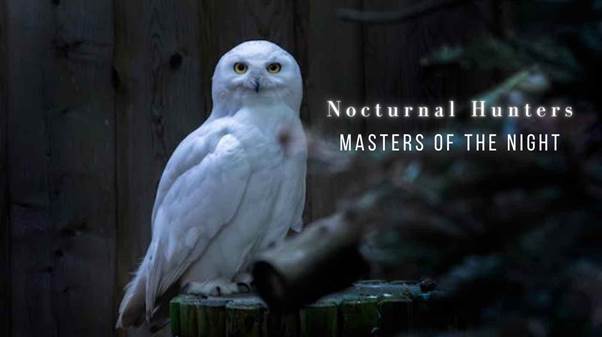
The mysterious world of nocturnal hunters has long fascinated humans. These animals, ranging from owls to big cats, have evolved incredible adaptations to thrive in the darkness. Unlike daytime predators, nocturnal hunters rely on heightened senses, stealth, and unique hunting techniques to capture prey under the cover of night. Their existence plays a vital role in balancing ecosystems, controlling populations of prey animals, and shaping the dynamics of the natural world. This article explores the definition, evolution, significance, and challenges of nocturnal hunters, while highlighting some extraordinary examples that showcase their power and importance.
Table of Contents
Defining Nocturnal Hunters
Nocturnal hunters are animals that primarily hunt and feed during nighttime hours. These species often possess special adaptations such as enhanced vision, acute hearing, or exceptional sense of smell that allow them to navigate and succeed in low-light environments. Common examples include owls, wolves, leopards, bats, and snakes. By focusing their activity at night, they avoid competition with daytime predators and take advantage of unsuspecting prey.
Evolution and Background of Nocturnal Hunters
Origins of Night Predation
The evolutionary success of nocturnal hunters can be traced back millions of years. Many species evolved night-hunting strategies to exploit ecological niches where fewer competitors existed. For instance, early mammals that survived alongside dinosaurs often became nocturnal to avoid detection and predation.
Adaptations Through Time
Over generations, nocturnal hunters developed features such as:
• Large eyes with increased rod cells for superior night vision
• Sensitive whiskers and echolocation for detecting movement
• Silent flight in owls, reducing noise when attacking prey
These evolutionary traits gave them distinct advantages in dark environments.
Ecological Importance of Nocturnal Hunters
Balancing Ecosystems
Nocturnal hunters play a crucial role in maintaining ecological balance by controlling prey populations. For example, owls reduce rodent numbers, preventing crop destruction, while wolves regulate herbivore populations to maintain healthy forests.
Benefits to Humans
Humans indirectly benefit from the activities of nocturnal hunters:
• Pest control by predators like owls and bats
• Protection of crops and food sources
• Maintenance of biodiversity in natural habitats
By ensuring prey populations remain balanced, these predators contribute to food security and ecosystem stability.
Adaptations of Nocturnal Hunters
Sensory Mastery
The senses of nocturnal hunters are among the most refined in the animal kingdom:
• Owls can rotate their heads nearly 270 degrees and detect prey with pinpoint accuracy
• Bats use echolocation to identify insects mid-flight
• Big cats rely on enhanced night vision and sharp hearing for stealth attacks
Behavioral Strategies
In addition to sensory adaptations, nocturnal hunters use behaviors that maximize hunting success:
• Ambush strategies used by leopards
• Cooperative hunting among wolf packs
• Energy conservation through resting during the day
Together, these traits allow them to dominate night ecosystems.
Challenges Faced by Nocturnal Hunters
Human-Induced Threats
Modern human activity poses growing dangers to nocturnal hunters:
• Light pollution disrupts natural hunting patterns
• Habitat destruction reduces access to prey and shelter
• Poaching and illegal trade threaten predator populations
Climate Change Pressures
Changing weather patterns and warming temperatures affect prey availability and disrupt nocturnal activity cycles. For example, altered insect populations impact bats, while shifting prey ranges challenge large carnivores.
Real-World Examples of Nocturnal Hunters
Owls: Silent Predators of the Sky
Owls are iconic nocturnal hunters, with specialized feathers that enable noiseless flight. Their keen eyesight and directional hearing allow them to detect prey even in total darkness.
Bats: Aerial Insect Controllers
Bats represent one of the most effective groups of nocturnal hunters. By consuming massive amounts of insects each night, they protect crops and reduce the spread of pests, offering immense ecological and economic value.
Big Cats: Stealthy Night Stalkers
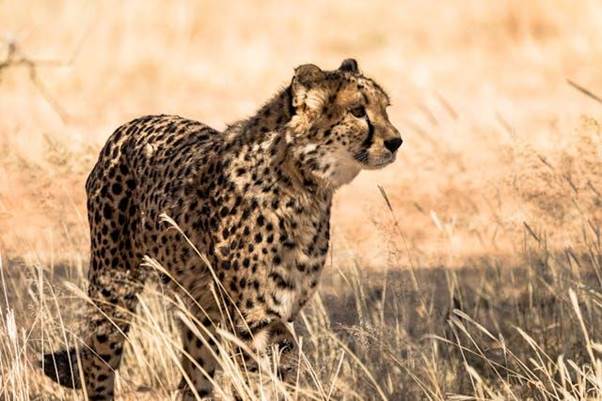
Leopards, jaguars, and tigers often hunt at night, using stealth to surprise prey. Their sharp senses and agility make them some of the most formidable nocturnal hunters in the animal kingdom.
Snakes: Ambush Predators
Many snakes rely on thermal sensing and ambush tactics. Pit vipers, for instance, can detect body heat in complete darkness, making them highly efficient nocturnal predators.
Conservation of Nocturnal Hunters
Protection Strategies
To safeguard nocturnal hunters, conservation efforts focus on:
• Preserving habitats and migration corridors
• Reducing artificial light in sensitive areas
• Strengthening anti-poaching laws and enforcement
Community Involvement
Local communities play a key role by adopting sustainable farming practices, protecting roosting sites, and supporting eco-tourism initiatives that highlight nocturnal hunters as valuable assets.
Conclusion
Nocturnal hunters are extraordinary animals that showcase the wonders of evolution and adaptation. From owls and bats to big cats and snakes, their role in regulating ecosystems and supporting biodiversity is undeniable. Despite modern challenges such as habitat destruction and climate change, these night predators continue to thrive in many regions. Protecting nocturnal hunters is not only about preserving predators but also about maintaining the natural balance that sustains life on Earth. By understanding and valuing them, we ensure that the silent guardians of the night continue their crucial work for generations to come.