
Few natural creations are as fascinating and essential as bee hives. These intricate homes are more than just shelters they are centers of survival, teamwork, and balance. Inside, thousands of honeybees work in harmony, each with a role that sustains the colony and supports the broader environment. Bee hives not only produce honey and beeswax but also ensure global food security through pollination. From their origins in the wild to modern beekeeping innovations, bee hives showcase nature’s brilliance.
Table of Contents
This article explores their definition, history, structure, ecological importance, challenges, and conservation, giving a complete look at why bee hives are vital for ecosystems and humans alike.
Defining Bee Hives
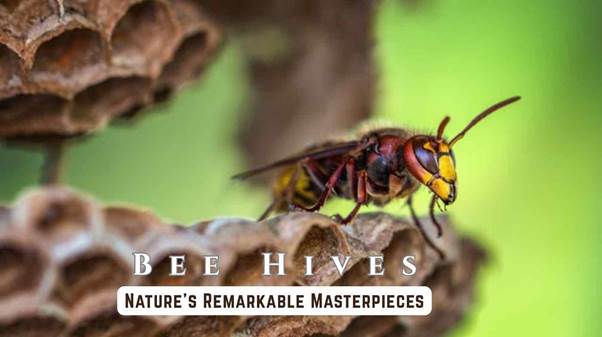
A bee hive is the communal dwelling of a colony of honeybees, functioning as both a home and a production center. Natural hives are usually found in hollow trees, crevices, or sheltered spaces, while managed hives are built by beekeepers for honey harvesting and pollination services. Within the hive, bees create honeycombs hexagonal wax cells used to store honey, pollen, and larvae. This structure represents one of the most efficient designs in the animal world, perfectly balancing strength, storage, and energy use.
History and Evolution of Bee Hives
Natural Beginnings
Wild bees have built hives for millions of years. Early humans discovered these natural stores of honey and risked great danger to collect it. Ancient rock art in Spain, dating back about 8,000 years, depicts honey hunters climbing to reach bee hives, proving their long-standing connection with human culture.
Beekeeping Innovations
Civilizations such as the Egyptians, Greeks, and Romans developed primitive hives from clay pots, woven baskets, and logs. The most transformative invention came in 1852 with Lorenzo Langstroth’s movable-frame hive, which allowed honey to be collected without destroying the colony. This advancement made beekeeping more sustainable, shaping the practices still in use across global apiaries today.
Importance of Bee Hives in Ecosystems
Ecological Contributions
Bee hives are central to pollination, a process that ensures the reproduction of flowering plants. Nearly 75% of crops and wild plants rely on bees, making their hives a foundation of biodiversity. Without pollination, food chains would collapse, and agricultural yields would decline dramatically.
Human Benefits
- Honey as a natural food and medicinal product
- Beeswax for candles, skincare, and household goods
- Propolis valued for its healing and antibacterial qualities
- Pollination services critical for crops like almonds, apples, and cucumbers
Thus, bee hives are not only vital for ecosystems but also essential for human industry and survival.
Structure and Function of Bee Hives
Social Organization
Inside a hive, bees live in a structured society:
- The Queen produces thousands of eggs, ensuring colony growth
- Workers gather nectar, care for young, and maintain the hive
- Drones mate with queens to ensure species survival
The Honeycomb
Honeycombs are an architectural wonder. Their hexagonal design maximizes space, uses minimal wax, and provides durability. This efficiency allows bees to store honey and pollen while conserving energy.
Adaptations and Communication in Bee Hives
Climate Control
Bee hives are remarkably adaptable. In summer, worker bees fan their wings to cool the hive, while in winter, they cluster tightly to conserve heat. This regulation ensures that larvae survive and food reserves remain stable year-round.
The Waggle Dance
One of the most fascinating aspects of hive life is the waggle dance. By performing this movement, worker bees communicate directions to nectar sources, guiding others to food with remarkable accuracy. This unique behavior highlights the cooperative intelligence of bee hives.
Challenges Faced by Bee Hives
Environmental Pressures
Modern bee hives face multiple threats:
- Pesticides that weaken immune systems
- Habitat destruction due to farming and urbanization
- Climate change disrupting flowering cycles
Diseases and Parasites
Bee hives are also vulnerable to pests such as Varroa mites, fungal infections, and the devastating phenomenon of colony collapse disorder (CCD). These factors have led to widespread concern about declining bee populations and their effect on global food security.
Real-World Examples of Bee Hives
Cultural Practices
In many rural areas, communities still harvest honey from wild hives using traditional methods, keeping ancient practices alive.
Agriculture and Apiaries
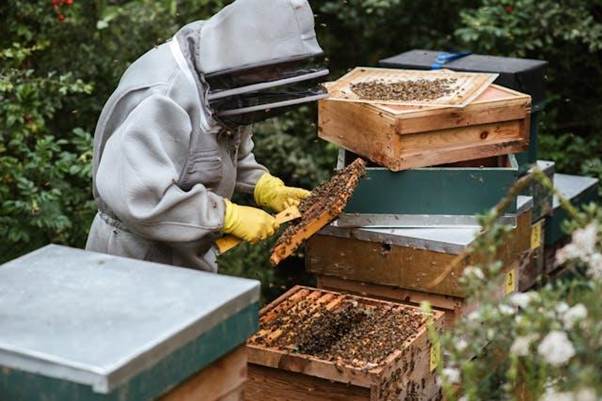
Modern farming depends heavily on managed bee hives. For example, California’s almond industry alone requires millions of hives each spring for successful pollination.
Urban Beekeeping
Cities are increasingly embracing rooftop and backyard hives. Urban beekeeping projects in places like London and New York not only supply local honey but also raise awareness about the importance of protecting pollinators.
Conservation of Bee Hives
Habitat Protection
Preserving wildflower fields, forests, and meadows provides natural nesting sites and food sources for bees.
Sustainable Beekeeping
Eco-friendly beekeeping practices such as limiting honey extraction, avoiding harmful pesticides, and supporting biodiversity help maintain healthy colonies.
Global Initiatives
Movements like “Save the Bees” promote planting pollinator-friendly gardens, supporting local beekeepers, and pushing for stronger environmental policies. These actions directly benefit the survival of bee hives worldwide.
Conclusion
Bee hives are much more than homes for bees they are vital engines of biodiversity, agriculture, and human well-being. From ancient wild nests to modern apiaries, these structures have always played a central role in sustaining ecosystems. Yet, growing threats such as pesticides, disease, and habitat loss endanger their future. Protecting bee hives is crucial not only for the bees but also for global food security and environmental balance. By adopting sustainable practices and supporting conservation, we can ensure these natural masterpieces continue to thrive for generations to come.
Q 1: What is the main purpose of bee hives?
Bee hives serve as homes for honeybee colonies, providing shelter, storage for honey, and a space for reproduction and colony growth.
Q 2: Why are bee hives important for humans?
Bee hives are vital for pollination, honey production, beeswax, and maintaining biodiversity, all of which directly support food security and ecosystems.
Q 3: How can we protect natural bee hives?
Protecting bee hives involves reducing pesticide use, planting pollinator-friendly plants, supporting conservation programs, and preserving natural habitats.