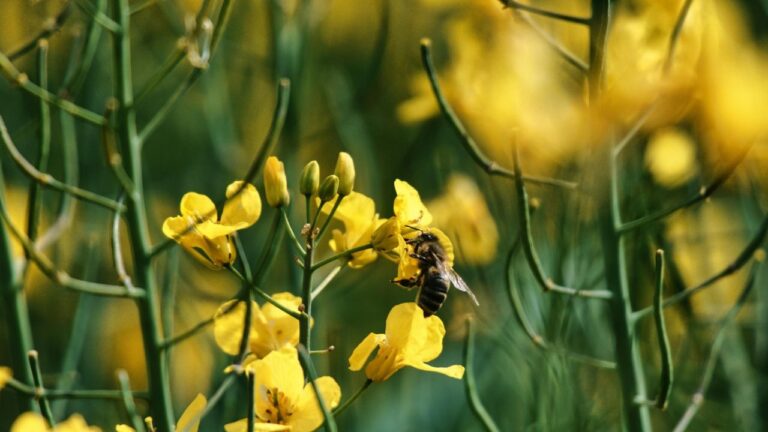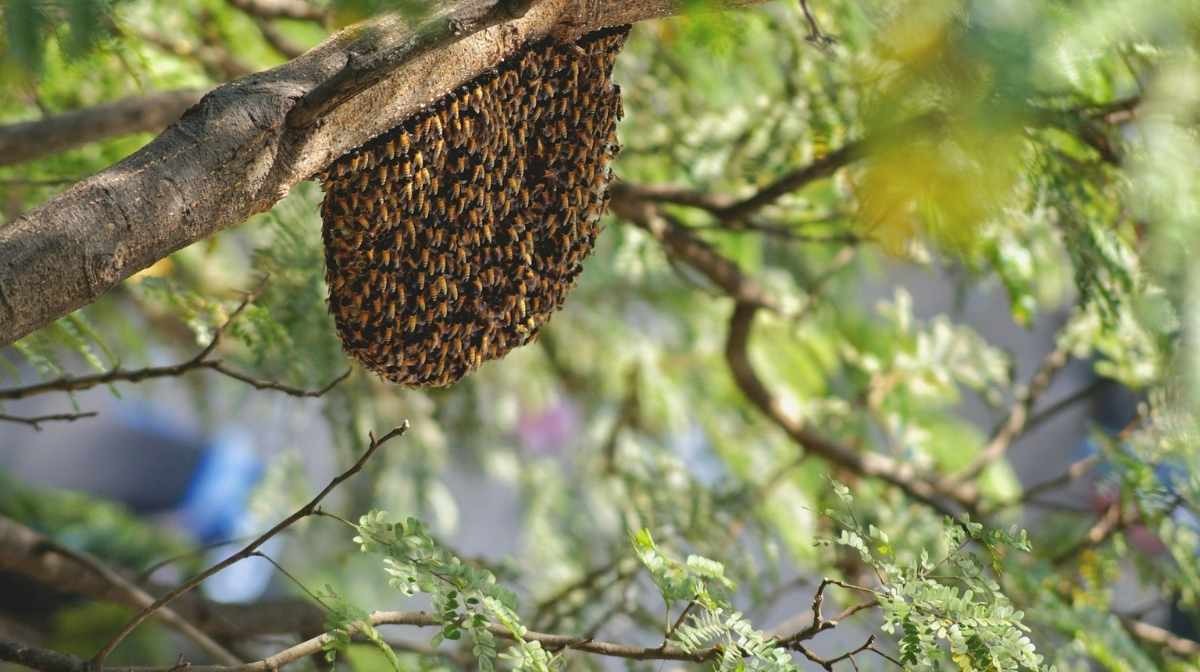
Bee hives are among the most extraordinary structures found anywhere in the natural world, serving as homes, factories, and survival centers for thousands of honeybees working in perfect coordination. These intricate dwellings do far more than shelter insects they drive pollination, produce honey and beeswax, and play a critical role in global food security. From ancient wild nests hidden inside hollow trees to the carefully managed apiaries of modern agriculture, bee hives represent a remarkable intersection of biology, engineering, and ecology.
Table of Contents
Bee hives are remarkable structures built by honeybees to serve as their home and workplace. These intricate colonies house thousands of bees, each playing a vital role in maintaining the hive’s survival. Inside, bees produce honey, store pollen, and raise their young within perfectly crafted hexagonal wax cells. Hives function as highly organized communities led by a queen bee, supported by worker bees and drones. Beyond honey production, bee hives are essential for pollination, making them crucial to agriculture and ecosystems worldwide. Understanding bee hives helps us appreciate nature’s extraordinary engineering and teamwork.
What Are Bee Hives and Why Do They Matter?
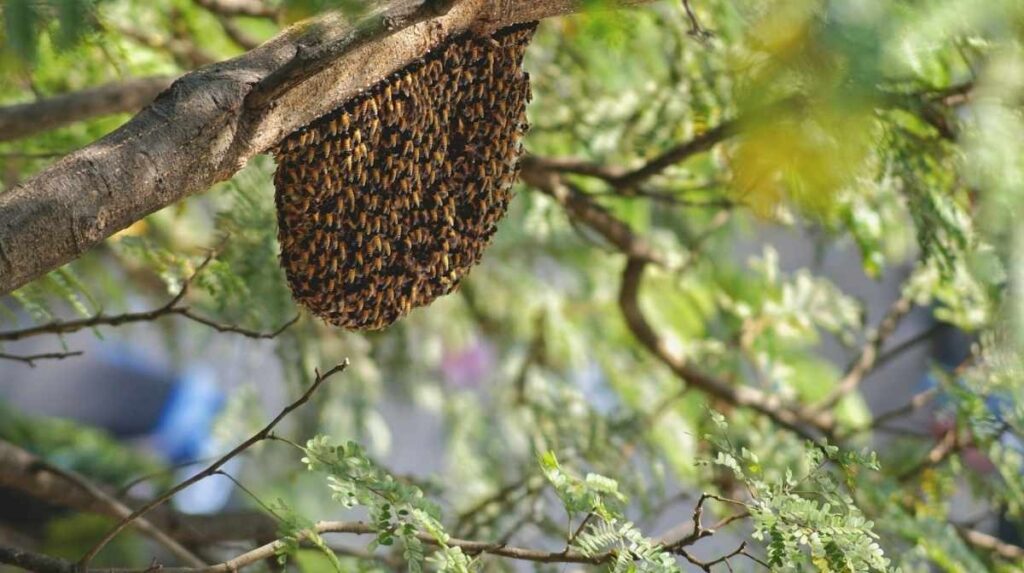
Bee hives are structured enclosures where honey bee colonies live, raise brood, store honey, and carry out their complex social behaviors. Whether found in the wild as natural cavities inside trees or built by beekeepers as managed wooden boxes, these structures are essential to both the survival of bees and the global food supply.
Around the world, there are roughly 102 million managed colonies, according to data published by Statista and the FAO. Each colony housed within those hives can contain anywhere from 10,000 to 60,000 individual bees, making the total managed bee population staggering.
These structures are not just about honey. Roughly 75% of crop production depends on pollinators, according to the World Animal Foundation, which means the food on your plate is deeply connected to the health of bee colonies and the hives they call home.
How Does a Bee Hive Work?
A bee hive functions as a highly organized living system. The queen bee lays eggs, worker bees forage for nectar and pollen, and nurse bees tend to developing larvae. Every member of the colony has a defined role, and the physical structure of the hive supports each of those functions.
Inside a typical managed hive, bees build wax comb on removable frames. The lower section, called the brood box, is where the queen lays her eggs. The upper sections, known as honey supers, are where workers deposit surplus honey that beekeepers eventually harvest.
Ventilation, temperature regulation, and moisture control all happen naturally inside a well-designed hive. Worker bees fan their wings to cool the interior during summer and cluster tightly together to generate heat during winter.
Most Common Types of Bee Hives
Choosing the right hive style is one of the first decisions every beekeeper faces. Each design has strengths and trade-offs depending on your climate, experience level, and goals.
Langstroth Hive
The Langstroth is the most widely used hive design in the world. It uses vertically stacked boxes with removable frames that respect “bee space,” the precise gap bees need to move freely without sealing frames together with propolis. Langstroth hives are modular, meaning you can add or remove boxes as the colony grows or shrinks. They are ideal for honey production and are the standard used by most commercial beekeepers.
Top Bar Hive
Top bar hives take a horizontal approach. Bees build their own comb downward from individual bars placed across the top of a long trough. This design is more affordable to build, easier on the beekeeper’s back since there is no heavy lifting, and it lets bees draw natural comb without pre-made foundation. However, honey yields tend to be lower compared to Langstroth setups.
Warré Hive
Sometimes called “the people’s hive,” the Warré was designed by French beekeeper Abbé Émile Warré to mimic a hollow tree. Boxes are added to the bottom rather than the top, which aligns more closely with how bees naturally expand their nest downward. Warré hives require less frequent inspections, making them appealing to hands-off beekeepers.
Layens Hive
The Layens hive is gaining renewed interest, especially among beekeepers looking for heavily insulated, single-box designs. A 2025 grassroots survey conducted by Wild Hives found that Layens beekeepers experienced an average winter loss rate of just 26%, significantly lower than the national average. The design mimics tree cavity thermodynamics, which may give colonies a survival advantage in cold climates.
How to Set Up a Bee Hive: Step by Step
Setting up your first hive correctly saves you from costly problems later. Here is a practical breakdown of the process.
1. Choose Your Location Place your hive in a spot that gets morning sunlight, has a windbreak on the north side, and sits slightly elevated off the ground to prevent moisture buildup. Make sure there is a clean water source within a short flight distance.
2. Assemble Your Equipment At minimum, you need the hive body (boxes and frames), a bottom board, an inner cover, an outer cover or telescoping lid, a smoker, a hive tool, and protective clothing. Quality matters here because flimsy equipment leads to maintenance headaches.
3. Install Your Bees Most beginners purchase a package of bees (roughly 10,000 workers plus a mated queen) or a nucleus colony, often called a “nuc,” which includes frames already populated with brood, bees, and a laying queen. Nucs give colonies a head start since the queen is already accepted and laying.
4. Feed If Necessary New colonies often need supplemental sugar syrup (a 1:1 ratio of sugar to water in spring) until they establish enough comb and forage to sustain themselves.
5. Monitor and Inspect Check your hive every 7 to 10 days during the active season. Look for eggs (a sign the queen is healthy), adequate food stores, signs of disease, and evidence of pests like varroa mites.
The Current State of Colony Health: Why It Matters Now
If you are keeping bee hives in 2026, understanding colony health trends is not optional. The numbers paint a sobering picture.
The U.S. Beekeeping Survey estimated that 55.6% of managed honey bee colonies were lost between April 2024 and April 2025, marking the highest loss rate since annual tracking began. Winter losses were especially severe, reaching an estimated 40.2% of colonies, exceeding all historical averages.
Commercial beekeeping operations reported losing an average of 62% of their colonies between June 2024 and February 2025, a reversal of the historical trend where large-scale operations typically fared better than hobbyists.
The primary culprits behind these losses include varroa mite infestations, poor nutrition caused by habitat loss, pesticide exposure, and unpredictable weather patterns. For anyone managing colonies, proactive pest management and strong nutritional support are no longer luxuries. They are survival strategies.
Essential Management Tips for Every Season
Healthy colonies require year-round attention, with specific tasks tied to each season.
Spring Management
Spring is when colonies ramp up brood production. Inspect your hive early for queenrightness, check food stores, and treat for varroa mites if counts are high. This is also the best time to split strong colonies to prevent swarming.
Summer Management
During peak nectar flow, add honey supers to give bees room to store surplus. Monitor for overcrowding, ensure adequate ventilation, and keep water sources nearby. In hot climates, excessive heat can cause bees to “beard” outside the hive entrance, which is normal but worth watching.
Fall Management
Fall preparation determines whether your colony survives winter. Reduce hive entrances to guard against robbing by other bees or wasps. Assess honey stores and leave enough for the colony (at least 60 to 80 pounds in cold climates). Perform a final varroa mite treatment before bees form their winter cluster.
Winter Management
Avoid opening the hive during cold months. Instead, check that the entrance is clear of dead bees or snow, and consider adding insulation or a moisture quilt on top. Isolation starvation, where bees in a winter cluster cannot reach nearby honey because temperatures drop too low for them to move, is a leading cause of winter die-offs.
Common Problems and How to Fix Them
Every beekeeper encounters challenges. Recognizing problems early makes the difference between losing a hive and saving one.
Varroa Mites: These parasitic mites attach to bees and transmit viruses like Deformed Wing Virus. Integrated pest management, including alcohol wash monitoring and treatments such as oxalic acid or formic acid, is essential. In 2025, researchers noted that varroa mites have developed genetic resistance to Amitraz, the most widely used commercial treatment, making alternative strategies more important than ever.
Small Hive Beetles: These pests lay eggs in comb, and their larvae can destroy frames of honey. Keeping colonies strong, reducing excess space inside the hive, and using beetle traps all help.
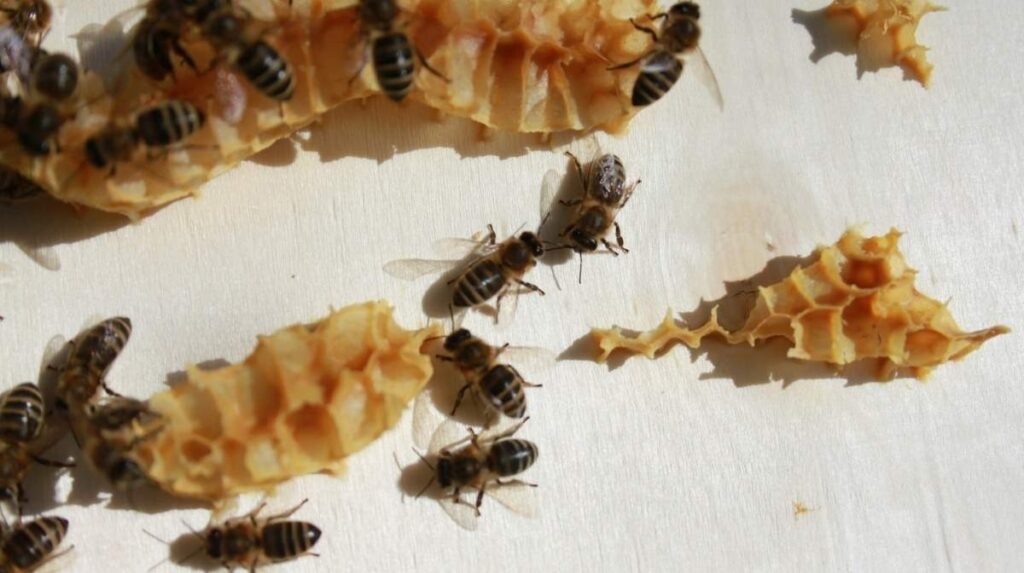
Wax Moths: Weak colonies are vulnerable to wax moth larvae tunneling through comb. The best defense is maintaining a populous, healthy colony that can patrol and protect its own comb.
Queen Failure: If the queen stops laying or disappears, the colony will decline rapidly. Look for a spotty brood pattern, multiple eggs per cell (a sign of laying workers), or queen cells. Requeening promptly can save the colony.
The Role of Managed Hives in Pollination and Food Security
Managed bee hives are not just about honey production. They are a cornerstone of agriculture, transported across regions to pollinate crops like almonds, blueberries, apples, and watermelons. Without this service, yields for many crops would drop dramatically.
The U.S. beekeeping industry generates an estimated $640.2 million in revenue in 2025, but the true economic value of pollination services extends far beyond that figure. The USDA has estimated the economic contribution of honey bee pollination to U.S. agriculture at over $15 billion annually.
As colony losses continue climbing, the pressure on remaining hives to meet pollination demand grows. Supporting colony health through better land management, reduced pesticide use, and diversified floral resources benefits everyone who eats.
Conclusion: Your Colonies Deserve Informed Care
Whether you are setting up your first bee hive or managing dozens, the fundamentals remain the same. Choose the right hive type for your climate and goals, stay consistent with seasonal inspections, and take varroa management seriously. The data from the past two years should motivate every beekeeper to be more attentive, not less.
Colonies are resilient systems when given proper support. By staying informed, investing in good equipment, and connecting with your local beekeeping community, you can keep your colonies thriving even in a challenging era for bees.
If this guide helped you, share it with a fellow beekeeper or drop a comment below with your biggest hive management question. The more we learn together, the better our bees will do.
What is the best type of bee hive for beginners?
The Langstroth is the most recommended option for beginners because of its modular design, wide availability of parts, and extensive community support. Most beekeeping courses and resources are built around the Langstroth system, making it the easiest to learn with.
How much does it cost to start a hive?
A basic setup including the hive, bees, protective gear, and tools typically costs between $400 and $700 for a single colony. Prices vary depending on whether you buy new or used equipment and whether you start with a package of bees or a nucleus colony.
How many hives can I keep in a backyard?
Most suburban backyards can comfortably support two to four hives, depending on local regulations, lot size, and available forage. Always check your city or county ordinances, as some areas have specific limits or registration requirements.
When is the best time to start keeping bees?
Spring is the ideal time in most climates. Installing bees in April or May gives them the full growing season to build comb, raise brood, and store enough honey to survive their first winter.
How much honey does one hive produce?
A healthy, well-managed colony in a favorable climate can produce 30 to 60 pounds of surplus honey per year. First-year colonies may produce little or no harvestable honey since they need to build up their own food reserves first.
Why are colonies dying at such high rates?
Colony losses are driven by a combination of varroa mite infestations, pesticide exposure, habitat loss reducing available forage, diseases, and climate-related stress. Addressing these factors requires effort from both individual beekeepers and broader agricultural policy changes.