
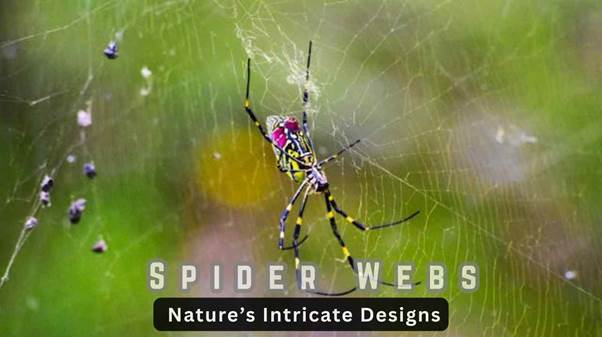
Have you ever paused to admire the delicate threads of spider webs glistening in the morning sunlight? These silky networks are far more than simple traps for insects; they represent one of nature’s most advanced survival strategies. A spider web is not only a hunting tool but also a shelter, a nursery, and a protective barrier. Scientists continue to study spider silk because of its incredible strength, flexibility, and potential uses for humans.
Table of Contents
In this article, we will explore the definition and history of spider webs, examine their ecological importance, highlight the benefits they provide, and uncover the challenges spiders face in a changing world. We’ll also look at fascinating real-world examples that prove just how extraordinary these structures are. By the end, you’ll see spider webs not just as sticky nets, but as natural masterpieces woven with purpose and resilience.
Definition and History of Spider Webs
Spider webs are structures created from silk proteins produced by glands in a spider’s abdomen. Each thread is both lightweight and durable, allowing spiders to build elaborate designs in trees, shrubs, and even inside human homes.
Fossil records suggest spiders have been spinning webs for over 100 million years. Ancient cultures often regarded webs as symbols of patience, fate, and creativity. From myths about weaving goddesses to modern scientific studies, webs have always captured human imagination.
Types of Spider Webs in Nature
Not all spider webs look the same. Each species creates a design suited to its hunting style:
- Orb webs – The circular, wheel-shaped webs most commonly seen in gardens.
- Cobwebs – Irregular, tangled webs built by house spiders.
- Sheet webs – Horizontal layers of silk with a hidden retreat below.
- Funnel webs – Cone-shaped webs with tunnels where spiders wait.
- Triangle webs – Three-sided designs efficient for trapping flying insects.
These diverse patterns highlight the adaptability of spiders and their ability to survive in various environments.
Importance of Spider Webs in Ecosystems
Spider webs are crucial for maintaining balance in ecosystems. By trapping insects such as mosquitoes, moths, and flies, spiders naturally regulate pest populations. This helps reduce crop damage and the spread of insect-borne diseases.
Additionally, webs indirectly provide food for other creatures. Birds, wasps, and even some mammals consume spider silk or reuse abandoned webs. Without spider webs, insect populations could explode, leading to ecological imbalance.
Unique Properties of Spider Silk
The silk used in spider webs is one of the strongest natural fibers known to science. Its remarkable qualities include:
- High tensile strength – Stronger than steel of the same thickness
- Flexibility – Can stretch significantly before breaking
- Lightweight – Almost invisible yet capable of holding heavy prey
- Biodegradable – Environmentally friendly compared to synthetic fibers
Researchers are exploring spider silk for applications in medicine, textiles, and engineering, from artificial ligaments to eco-friendly fabrics.
Benefits of Spider Webs for Spiders and Humans
For spiders, webs serve multiple essential purposes:
- Hunting traps that immobilize prey
- Shelters from predators and weather
- Egg protection through carefully wrapped silk sacs
For humans, spider webs have surprising benefits. In ancient times, people used webs as natural bandages because of their antiseptic qualities. Today, biomimicry allows scientists to mimic spider silk for future innovations such as medical stitches, lightweight armor, and biodegradable materials.

Challenges Facing Spider Webs in Modern Times
Despite their resilience, spider webs face growing threats from human activities and environmental changes:
- Urbanization reduces natural spaces for web building
- Pollution weakens silk and disrupts spider health
- Climate change alters insect populations, limiting prey availability
In cities, webs are often destroyed by cleaning, construction, or pesticide use, forcing spiders to adapt by spinning in hidden places such as window frames or basements.
Real-World Examples of Spider Web Wonders
Nature is full of fascinating examples of spider webs:
- The Darwin’s bark spider of Madagascar weaves webs up to 80 feet wide across rivers.
- Orb-weaving spiders can rebuild a damaged web within hours.
- Some species recycle silk by eating old webs to conserve resources.
These examples prove that webs are not static creations but dynamic tools that spiders continually adapt to their needs.
Conclusion:
Spider webs are marvels of natural engineering, blending strength, flexibility, and beauty into a single structure. Beyond serving as survival tools for spiders, they benefit ecosystems by controlling insect populations and inspiring scientific innovations. While modern challenges threaten their existence, spiders demonstrate resilience by adapting their web-building strategies. Recognizing the importance of these structures reminds us of the ingenuity of nature. By protecting the habitats where spiders thrive, we preserve one of the most delicate yet powerful wonders woven into the natural world.
Q 1: What are spider webs made of?
Spider webs are made of silk proteins secreted from specialized glands. This silk is lightweight, flexible, and stronger than steel by weight.
Q 2: Why are spider webs important to the ecosystem?
Spider webs control insect populations by trapping prey, helping maintain ecological balance and reducing the spread of pests naturally.
Q 3: Can spider webs benefit humans?
Yes, spider webs inspire innovations in medicine, textiles, and engineering due to their remarkable strength, flexibility, and eco-friendly design.