
The world of insects is filled with fascinating adaptations, and one of the most impressive features is found in beetle shells. Within the first few seconds of observing a beetle, its glossy, often colorful shell stands out as a defining characteristic. These protective covers are not just for show they are marvels of evolutionary engineering. The beetle shells provide defense, regulate water loss, and even play a role in communication and survival.
Table of Contents
This article explores the definition, history, functions, ecological importance, and challenges faced by beetles and their unique armor, highlighting why these natural shields are such an extraordinary subject of study.
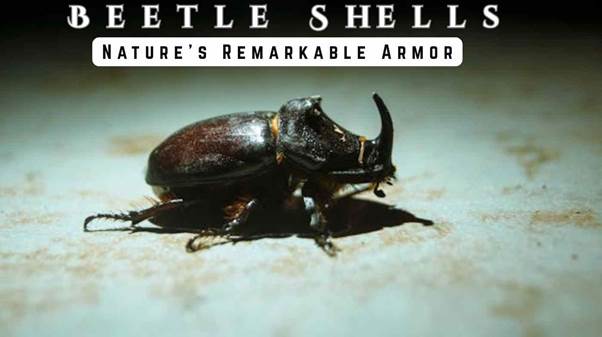
What Are Beetle Shells?
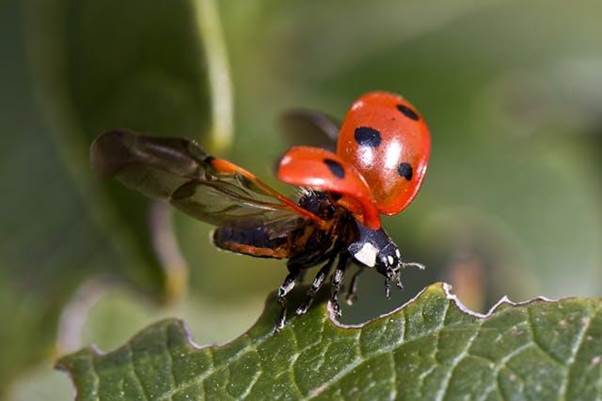
Beetle shells refer to the hardened forewings known as elytra, which cover and protect the delicate hind wings and soft abdomen beneath. Unlike many insects, beetles rely on these shells as both armor and structural support. The elytra are not used for flight; instead, they lift when the beetle spreads its hind wings to take off. Their design is a perfect blend of strength and lightness, allowing beetles to survive in diverse habitats ranging from forests and deserts to rivers and even underground environments.
The Evolution and History of Beetle Shells
The origins of beetle shells date back over 250 million years. Beetles are among the oldest and most successful insect groups, with over 350,000 known species. Scientists believe that the development of hardened elytra gave beetles a unique survival advantage during their evolutionary history. These adaptations helped them withstand predators, harsh climates, and environmental challenges. Over time, the shells diversified in shape, size, and coloration, enabling beetles to occupy almost every ecosystem on Earth.
Functional Importance of Beetle Shells
The functions of beetle shells go far beyond protection. Some of their key roles include:
- Physical defense: Acting as armor against predators and injuries.
- Water conservation: Preventing dehydration in arid environments.
- Camouflage: Blending into surroundings to evade detection.
- Display and signaling: Brightly colored shells can ward off predators or attract mates.
- Structural support: Providing rigidity to the beetle’s body while housing the wings safely underneath.
This combination of functions demonstrates why the beetle is often regarded as one of nature’s most successful survivors.
Beetle Shells and Their Diversity
Beetle shells are incredibly diverse in color and texture. Some are dull brown, mimicking soil or bark, while others shimmer with iridescence, like the jewel beetles. Species such as ladybugs use bright red and black shells as warning signals, a phenomenon known as aposematism. Scarab beetles, on the other hand, are known for their metallic, jewel-like shells, which have even inspired art and jewelry throughout human history. This diversity reflects both ecological adaptation and evolutionary artistry.
Ecological Benefits of Beetle Shells
The impact of beetle shells extends into ecosystems, where they contribute in multiple ways:
- Pollination: Certain beetles, shielded by their shells, pollinate flowers.
- Decomposition: Beetles with tough shells often thrive in environments where they break down organic material.
- Predator-prey balance: Their shells enable them to survive long enough to regulate insect populations.
By acting as both protectors and ecological enablers, beetle shells ensure the insect’s continued role in maintaining biodiversity.
Challenges Faced by Beetle Shells
Despite their durability, beetle shells are not invincible. Beetles face a variety of threats that can weaken or compromise their protective covering:
- Habitat destruction reduces the environments where beetles thrive.
- Pollution can damage the structural strength of shells, especially in aquatic species.
- Climate change forces beetles to adapt their shell functions, such as heat regulation and water conservation.
- Predation pressure continues to evolve, with some predators learning how to bypass or crack through beetle armor.
These challenges emphasize the fragile balance between evolutionary advantages and modern environmental pressures.
Real-World Uses and Human Inspiration
Humans have long been inspired by beetle shells. Ancient Egyptians revered scarab beetles, creating amulets from their likeness. Today, researchers study the microscopic structures of beetle shells to design durable materials, water-repelling surfaces, and even futuristic color technologies. Their lightweight yet strong design has influenced fields like aerospace and robotics, proving that nature’s engineering often surpasses human innovation.
Beetle Shells as Symbols in Culture
Beyond science, beetle shells hold cultural meaning. In many traditions, beetles symbolize resilience and rebirth, largely due to their protective armor. The brilliance of certain beetle shells has been used in jewelry and clothing, reflecting status and beauty. This blending of biology and culture shows how beetles have captured human imagination for centuries.
Conclusion
Beetle shells are more than insect armor they are intricate tools of survival, communication, and inspiration. From their evolutionary history to their role in ecosystems and human culture, these natural shields represent resilience at its finest. As environmental changes continue to impact beetle populations, studying and appreciating their shells reminds us of the delicate balance between nature and survival. By learning more about beetles and their unique adaptations, we can better protect both the species and the ecosystems they support.
Q 1: What is the purpose of beetle shells?
Beetle shells, also called elytra, protect the insect’s wings and body from predators, harsh weather, and environmental challenges.
Q 2: Why are beetle shells so strong?
Beetle shells are made of chitin, a durable natural polymer that combines strength and flexibility, making them ideal for survival in diverse habitats.
Q 3: How do beetle shells inspire humans?
Scientists and engineers study beetle shells to design lightweight armor, sustainable materials, and innovative technologies in bio-inspired engineering.