
Dragonfly flight are among the most fascinating insect in the natural world, renowned for their extraordinary ability to move with unmatched aerial agility. Dragonfly flight has intrigued scientists and nature enthusiasts alike for centuries, offering insights into aerodynamics, evolution, and ecological importance. With wings that operate independently, dragonflies can hover, fly backward, and even perform swift midair maneuvers unmatched by most flying creatures.
This article explores the structure, history, benefits, challenges, and real-world significance of dragonfly flight, uncovering why these winged predators continue to inspire admiration and scientific study.
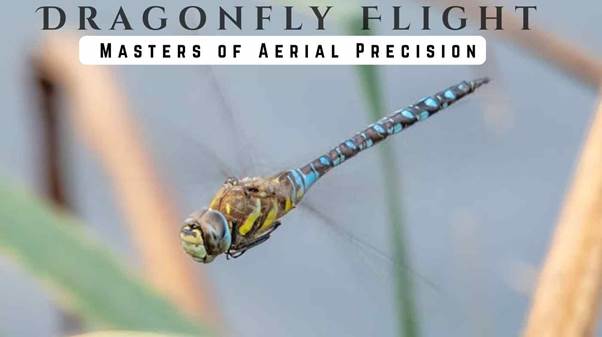
Definition and Unique Traits of Dragonfly Flight
Dragonfly flight refers to the specialized way dragonflies use their two pairs of wings to achieve precise and flexible aerial movements. Unlike most insects, dragonflies can flap their forewings and hindwings either in unison or alternately, giving them complete control over their speed and direction. This unique adaptation allows them to hover like helicopters, dart quickly, or even glide efficiently.
Their wings are lightweight yet strong, with a delicate network of veins that provide both flexibility and stability. This structural design reduces turbulence, enabling dragonflies to remain steady in midair while conserving energy.
History of Dragonfly Flight in Evolutionary Context
Dragonflies are ancient insects, with fossil evidence dating back over 300 million years. Some prehistoric dragonflies, such as Meganeura, had wingspans of over two feet, making them some of the largest insects to ever exist.
The evolutionary success of dragonfly flight lies in its adaptability. Their wing structure has remained relatively unchanged, proving its efficiency over time. Scientists believe that these insects influenced early studies of flight and continue to inspire modern aeronautical engineering.
Importance of Dragonfly Flight in Nature
The role of dragonfly flight extends beyond survival; it contributes significantly to ecosystems:
- Predatory control: Dragonflies catch and eat mosquitoes, flies, and other small insects midair.
- Pollination aid: While not primary pollinators, their flights contribute to the health of flowering ecosystems.
- Indicator species: Healthy dragonfly populations indicate clean water systems, as they thrive near ponds and wetlands.
Their aerial skills allow them to cover large areas quickly, making them vital in maintaining ecological balance.
Benefits of Dragonfly Flight for Survival
The benefits of dragonfly flight highlight why these insects are among the most efficient hunters:
- Hunting efficiency: They can capture up to 95% of prey during flight due to their precision.
- Energy conservation: By alternating wing movements, they use less energy compared to continuous flapping.
- Predator evasion: Their ability to fly backward and change direction instantly helps them escape threats.
- Mating displays: Male dragonflies use flight patterns to attract females, showcasing strength and agility.
These advantages showcase how flight is directly linked to their survival and reproductive success.
Challenges in Dragonfly Flight
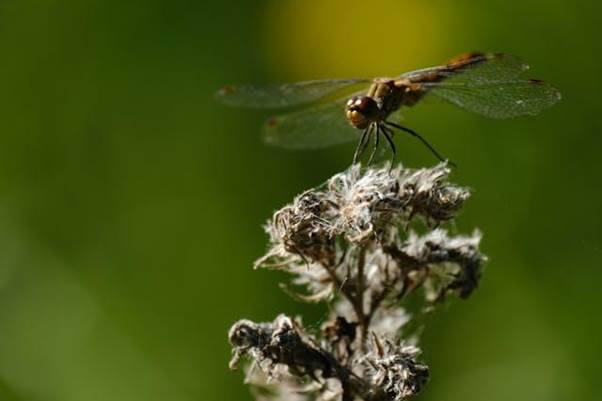
Despite their mastery of the skies, dragonflies face challenges that impact their flight and survival:
- Environmental threats: Pollution and habitat destruction reduce the wetland environments they depend on.
- Predators: Birds, spiders, and even larger dragonflies pose risks, testing their aerial skills.
- Weather conditions: Strong winds or sudden storms can disrupt their normally stable flight.
These challenges remind us that even perfect natural designs are vulnerable to ecological pressures.
Real-World Applications of Studying Dragonfly Flight
Research into dragonfly flight has inspired innovations in science and technology:
- Robotics: Engineers study dragonfly wing mechanics to design agile drones and micro air vehicles.
- Medicine: Insights into their flight stability are applied in developing medical nanobots.
- Aerospace engineering: The dual-wing system has influenced designs in aircraft and helicopters, enhancing efficiency.
Dragonflies serve as a natural blueprint for solving modern engineering challenges, showing how evolution can guide human innovation.
Fun Facts about Dragonfly Flight
- Dragonflies can fly at speeds of up to 30 miles per hour.
- They are among the few insects capable of sustained hovering.
- Their compound eyes allow near 360-degree vision, helping them track prey in flight.
- Dragonflies migrate long distances, with some species traveling over 1,000 miles.
These fascinating details make them one of nature’s true aerial wonders.
Conclusion
Dragonfly flight is more than a display of aerial skill it is a masterpiece of evolution, survival, and ecological balance. From their ancient origins to their modern-day role in inspiring science and technology, dragonflies exemplify how nature perfects design. Their wings give them unmatched precision, speed, and agility, helping them thrive as top aerial predators.
Studying dragonfly flight not only deepens our understanding of insects but also sparks innovation in fields like robotics and engineering. As these remarkable insects face environmental challenges, preserving their habitats ensures that future generations can continue to marvel at their breathtaking flight. To truly appreciate the marvel of dragonflies, one only needs to pause by a pond and watch these aerial acrobats in action.
Q1: How do dragonflies achieve their unique flight?
Dragonflies achieve flight through two pairs of wings that can move independently, allowing them to hover, glide, and even fly backward.
Q2: Why is dragonfly flight important for ecosystems?
Dragonfly flight helps control insect populations, especially mosquitoes, making them vital for maintaining ecological balance.
Q3: How has dragonfly flight inspired technology?
Engineers study dragonfly flight to design advanced drones and robotics, using their efficient aerodynamics for improved maneuverabili